Planning a beach escape to Northeast Brazil? Discover what to expect from hotels, pousadas and resorts, how Bahia, Alagoas, Pernambuco and Fernando de Noronha compare, and practical tips on transfers, swimming conditions and room choices.
Why the Northeast Brazil hotel region belongs on your shortlist
Golden light on a long, empty beach. Palm trees leaning towards a warm Atlantic ocean. This is the everyday backdrop for many hotels in Northeast Brazil. If you are hesitating between Rio de Janeiro, São Paulo and the northeast coast, ask yourself one thing: do you want urban energy or uninterrupted shoreline.
The northeast region stretches from Bahia up to the border with the Amazon, with more than 5,000 hotels and pousadas registered by the Brazilian Tourism Board (Embratur, 2023). That scale matters; it means serious choice, from discreet hotel pousada hideaways to full-scale resort properties with several pools and a wide range of restaurants. Guests who care about space, ocean views and direct beach access usually find better options here than in the big southern cities, especially between September and March when the sea is warm and generally calm.
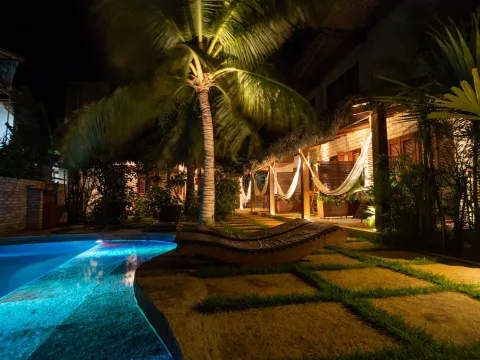
Expect a slower rhythm. Breakfast is rarely rushed, often served on shaded verandas with tropical fruit and strong coffee, sometimes just a few metres from the sand. Many properties are designed so that front rooms face the sea, while quieter garden rooms sit further back, which is worth checking before you book. For travellers seeking a luxury hotel with a sense of place rather than a generic tower, Northeast Brazil is a strong, often superior, choice.
Key coastal areas: how the main stretches of Northeast Brazil compare
Bahia comes first for many travellers. Around the coast north of Salvador, long beaches and low-rise hotels create a softer, more residential feel than Copacabana or Ipanema in Rio de Janeiro. You will find intimate pousada options tucked behind coconut groves, as well as larger resorts where a central swimming pool anchors the social life. Bahia suits guests who want culture and coastline in the same trip, with easy connections from São Paulo and other major cities and transfer times of roughly one to two hours to popular stretches such as Praia do Forte.
Further north, the Alagoas and Pernambuco coasts lean into pure beach hotel territory. Here, resorts often stretch along secluded bays, with rooms arranged to maximise the view of the ocean rather than the road. Many hotel offers in this area include generous breakfast and relaxed all-day dining, which works well if you plan to stay mostly on property. When you check availability, pay attention to whether the beach is swimmable year-round or more suited to long walks and photographs; in some spots near reefs, low tide can expose rocks that make swimming less comfortable.
On the far edge of the region, the archipelago of Fernando de Noronha is a different proposition. Access is more controlled, the number of hotels is limited, and the atmosphere is closer to a protected marine sanctuary than a classic resort strip. This suits travellers who prioritise nature, diving and privacy over extensive facilities. In short: Bahia for culture plus coast, Alagoas and Pernambuco for resort ease, Fernando de Noronha for raw beauty, especially from August to November when visibility for snorkelling and diving is often at its best.
What to expect from hotels, resorts and pousadas
Architecture in Northeast Brazil tends to stay low and horizontal. Many properties are built no higher than the surrounding palm trees, with rooms spread across bungalows or small blocks rather than stacked in towers. This layout gives more guests at least a partial view of the ocean, especially in front rooms closest to the sand. It also means you walk more; paths through gardens, past a pool, towards a restaurant that serves grilled fish and moqueca under a thatched roof.
The classic stay here is in a pousada, the Brazilian term for a small-scale guest house or inn. A good hotel pousada in the northeast usually offers comfortable rooms with local materials, a personalised breakfast and a staff that remembers your preferences by the second morning. Some pousada offers include simple extras such as late check-out or a welcome drink, but the real luxury is often the quiet and the proximity to the beach. For travellers used to large international hotels, this intimacy can feel like a welcome reset.
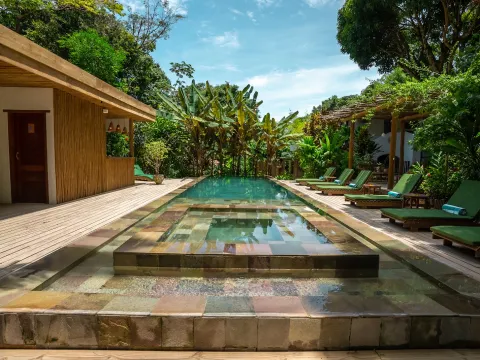
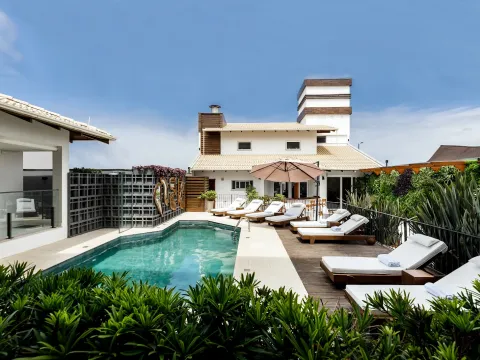
Resorts, by contrast, focus on infrastructure. Expect multiple pools, perhaps a rooftop pool in more urban coastal towns, kids’ areas, and several bars and restaurants. These resorts often offer guests a wide range of activities on site, from fitness classes to evening entertainment. When you are making a booking, decide whether you want that full-service environment or the slower, more residential feel of a smaller property. Both exist in the same region, sometimes on the very same stretch of sand.
Rooms, views and the details that matter before you book
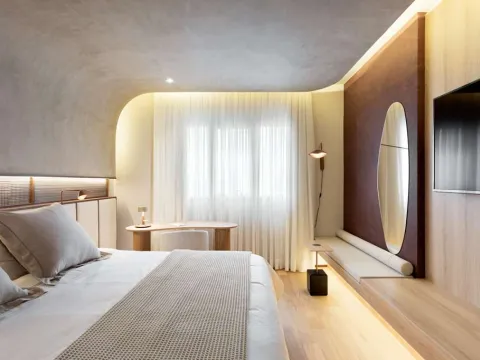
Room categories in the northeast are not always standardised, so labels can be misleading. A “luxury” or “premium” room may simply mean it is closer to the ocean, with a clearer view and a private balcony. When you check availability, look for precise descriptions: distance to the beach in metres, orientation of the balcony, whether the room faces the pool, gardens or the road. Comfortable rooms here are not about heavy décor, but about cross-breezes, good mattresses and effective blackout curtains for late-morning sleepers.
For travellers who care about peace and quiet, rooms directly above a swimming pool or main restaurant can be less appealing, even if the view is excellent. Garden rooms set a little further back often trade the sound of waves for the rustle of palm leaves and birds at dawn. If you are staying in a beach hotel in a lively village, ask yourself whether you prefer to be on the main beachfront avenue or one block inland. In places like the coastal strip near Avenida Oceânica in Salvador, that single block can mean the difference between nightlife on your doorstep and a more tranquil night.
Families often appreciate ground-floor rooms with easy access to the pool and beach, while couples may prefer upper floors for privacy and a wider ocean panorama. Some hotels in Northeast Brazil also offer interconnecting rooms or small suites that work well for longer stays. The key is to align the room type with how you actually plan to use the space: as a simple base between excursions, or as a private retreat where you will spend long afternoons reading and watching the tide shift.
Food, rhythm and on-property experiences
Breakfast in Northeast Brazil is rarely an afterthought. Many hotels set long tables with fresh mango, papaya, tapioca pancakes made to order and regional cakes, often served in open-air dining rooms that catch the morning breeze. A good restaurant serves not only international dishes but also local classics such as moqueca in Bahia or sun-dried meat with cassava in the more arid interior-influenced areas. For guests who value gastronomy, this daily ritual can be as important as the pool.
On the experiential side, resorts in the region often organise low-key activities rather than rigid schedules. Think beach volleyball at sunset, forró music nights, or simple stand-up paddle sessions on calm stretches of ocean. Some properties offer guests direct access to walking trails behind the dunes or to small fishing villages where you can watch boats return in the late afternoon. The atmosphere is more barefoot than formal, even in higher-end hotels.
Evenings tend to be unhurried. Many travellers drift from the pool bar to a terrace for a final drink, listening to the surf rather than to loud entertainment. If you prefer a more urban rhythm, consider splitting your trip: a few nights in Rio de Janeiro or São Paulo for culture and dining, followed by a longer stay in the northeast for rest. That contrast often brings out the best in both parts of Brazil.
Who the Northeast Brazil hotel region suits best
Travellers who prioritise beach time over city sightseeing will feel most at home here. The region is built around the ocean; many hotels are literally steps from the sand, with front rooms opening almost directly onto the beach. If your ideal day involves a slow breakfast, a long swim, a nap by the pool and a simple seafood dinner, Northeast Brazil aligns perfectly. It is less suited to those who crave museums, shopping and dense nightlife every night.
Families benefit from the space and the relaxed pace. Resorts with multiple pools and kids’ areas allow parents to unwind while children move freely in a safe environment. Couples, on the other hand, often gravitate towards smaller pousadas or discreet hotels where the focus is on privacy and a strong sense of place. In quieter stretches such as the coast near São Miguel dos Milagres in Alagoas, the main soundtrack is the tide, not traffic.
For frequent visitors to Brazil who already know Rio de Janeiro and São Paulo, the northeast offers a complementary perspective on the country. Here, luxury is less about marble lobbies and more about time, light and space. When you compare options, think less in terms of star ratings and more in terms of setting: direct beach access versus a short walk, ocean-facing rooms versus garden views, resort infrastructure versus the charm of a well-run pousada.
How to choose the right area and property for your stay
Start with the coastline, not the hotel. Decide whether you want the cultural layering of Bahia, the postcard beaches of Alagoas and Pernambuco, or the remote drama of Fernando de Noronha. Once that is clear, you can filter hotels and resorts by atmosphere: large-scale properties with extensive facilities, or smaller places where the owner might still greet guests personally. This top-down approach usually leads to a better match than chasing a single famous property name.
Next, consider logistics. Direct flights from São Paulo and Rio de Janeiro feed into major hubs such as Salvador and Recife, from which you can connect to smaller coastal towns. If your trip is short, staying within a 90-minute drive of the airport can save you a full day of transfers; for example, Praia do Forte is about an hour from Salvador, while Porto de Galinhas sits roughly an hour south of Recife. For longer stays, a more remote stretch of coast may be worth the extra journey, especially if you plan to stay put in one resort or pousada for a week.
Finally, refine by the details that matter most to you: a rooftop pool for sunset views, a restaurant that serves strong regional cuisine, or hotel offers that include late check-out and flexible breakfast hours. When you check availability, read the room descriptions carefully and look for clear information about the view, the distance to the beach and the layout of the common areas. In Northeast Brazil, those small choices shape the entire feel of your stay.
FAQ
Is Northeast Brazil a good region for a first trip to Brazil?
Yes, Northeast Brazil works very well for a first trip if your priorities are beaches, warm weather and a relaxed rhythm. You can combine a few days in Salvador or another coastal city with a longer stay in a beach hotel or pousada, which gives you both culture and rest without complex logistics.
What types of accommodation can I expect in Northeast Brazil?
The region offers a wide range of accommodation, from small pousadas and intimate hotels to large resorts with several pools and restaurants. Many properties are low-rise and close to the beach, with comfortable rooms that prioritise natural light, balconies and easy access to the ocean rather than high-rise city views.
Are there all-inclusive resorts in Northeast Brazil?
There are several all-inclusive resorts along the northeast coast, especially in areas known for long, continuous beaches. These properties typically include meals, drinks and many on-site activities in a single package, which can be convenient for families or travellers who prefer to stay mostly within the resort.
When should I book my hotel in Northeast Brazil?
For peak Brazilian holiday periods and local school vacations, it is wise to book well in advance because occupancy in popular coastal areas can be high. Outside those dates, you usually have more flexibility, but it is still worth checking availability early if you want specific room types such as oceanfront rooms or suites.
How do I choose between a resort and a pousada in Northeast Brazil?
Choose a resort if you want extensive facilities, multiple pools and on-site activities, and prefer not to leave the property often. Opt for a pousada if you value a more personal atmosphere, fewer rooms and a stronger connection to the local community and surroundings; both styles can offer high levels of comfort, but the daily experience is quite different.
Sample hotels in Northeast Brazil (names, locations and why they stand out)
The following examples are indicative only and based on publicly available descriptions as of 2023; always check current details before booking. In Bahia, Tivoli Ecoresort Praia do Forte (Praia do Forte, upper-mid to luxury) is often praised for its extensive beachfront grounds, family-friendly pools and easy access from Salvador. Also in Bahia, Pousada Casa do Forte (Praia do Forte, mid-range) appeals to travellers who prefer a smaller hotel with a cosy atmosphere a short walk from the sand. In Alagoas, Pousada do Toque (São Miguel dos Milagres, upscale) is frequently highlighted for its quiet, almost private-feeling beach and refined yet relaxed service. Near Recife in Pernambuco, Nannai Resort & Spa (Muro Alto, luxury) is known for its large pool complex, bungalows with private pools and a sheltered stretch of sea that is usually calm for swimming at mid to high tide. For a more remote escape, Pousada Maravilha (Fernando de Noronha, luxury) commands premium rates but offers panoramic views over Baía do Sueste and a boutique feel suited to couples and honeymooners.