Discover the best hotels in Brazil’s South, from Florianópolis beach resorts to Curitiba and Porto Alegre city stays, plus nature lodges near Iguaçu Falls and practical tips for planning a refined trip.
Why the South of Brazil is a smart hotel choice
Green hills, Atlantic forest and a cooler breeze than Rio de Janeiro; the south of Brazil feels instantly different. Travelers who choose this region are usually looking less for spectacle and more for balance – between nature and urban culture, between long beach days and quiet evenings in a spacious room with a view.
Compared with the average stay in Rio de Janeiro or São Paulo, hotels in the south of Brazil tend to offer more space, calmer surroundings and a stronger connection to nature. You see it in the way many properties open directly onto a beach cove, a national park trail or a garden with a swimming pool framed by native trees. It suits guests who prefer a private, low-key atmosphere rather than a scene.
For a first trip, the region works particularly well if you want to explore Santa Catarina’s coastline, combine wine country with coastal stops, or simply escape the intensity of Rio de Janeiro Copacabana nights. The key decision is not whether the south is worth it – it is – but which slice of it matches your travel style: wild coast, forest retreat, or urban base with easy day trips.
Santa Catarina coast: coves, peninsulas and discreet luxury
Rocky peninsulas, small fishing villages and water that shifts from deep blue to jade in a single bay define Santa Catarina’s most coveted stretches. Around the island capital, Florianópolis, the best hotel experiences lean into this geography: terraces that step down to the sea, hot tubs angled towards the sunset, living room style lounges that feel more like a private home than a resort lobby.
On the north of the island, near Praia do Santinho and the dunes, larger resort-style properties dominate. They often combine a full spa, multiple swimming pools and family friendly facilities with direct beach access. South of the city, in pockets like Ribeirão da Ilha, you find smaller coastal retreats where the focus is on quiet decks, nature views and attentive, almost private guide style service for boat trips and hikes.
Distances stay manageable. From the bridge that links Florianópolis island to the mainland, it is roughly 15 km to the wild sands of Praia da Joaquina and about 35 km to calmer bays on the far north coast. If Santa Catarina is your base, check availability early for January and February; this is when the south of Brazil fills with domestic travelers escaping São Paulo and beyond.
Nature and national parks: staying inside the landscape
Few regions in Brazil offer such direct access from hotel to national park trail. In the far west, near the border with Argentina and Paraguay, properties sit close to the Iguaçu Falls area, where dense forest, birdsong and mist from the cascades shape the entire stay. Here, the luxury is not marble but proximity: you wake to the sound of water and step out before the day’s first tour groups arrive.
In these areas, the best hotels behave almost like an eco lodge, even when they are full-service resorts. Expect guided walks, birdwatching at dawn and, in some cases, a private guide who can tailor routes to your pace. Rooms tend to be generous, with verandas or balconies that frame the forest rather than the city, and hot tubs or deep baths that invite long evenings after a day on the trails.
If you are comparing a stay near a national park with a coastal resort in Santa Catarina, the trade-off is clear. Forest lodges offer immersion in nature and quieter nights, while beach hotels deliver sea breezes, easier restaurant access and more varied activities for mixed-age groups. For travelers who already know Rio de Janeiro or São Paulo, this inland side of the south often becomes a new favorite.
Urban bases: Porto Alegre, Curitiba and beyond
Avenida Borges de Medeiros in Porto Alegre at rush hour feels a world away from a Santa Catarina cove, yet the city has its own appeal as a hotel base. You stay close to galleries, restaurants and the Guaíba waterfront, with day trips to the wine valleys of the Serra Gaúcha or the historic town of São Leopoldo within easy reach. Hotels here tend to be more business oriented, but higher-end options still carve out space for a spa area, a compact swimming pool or a quiet lounge.
Curitiba, further north, offers a different rhythm again. Around the Batel neighborhood, tree-lined streets hide refined properties where guests split their time between design-forward rooms and the city’s parks and cultural institutions. The famous Jardim Botânico is only about 3 km from many central hotels, which makes it easy to combine urban comfort with quick nature breaks.
Choosing an urban base in the south of Brazil makes sense if you are connecting from São Paulo or Rio de Janeiro and want to explore the region by road. It also suits travelers who prefer to check availability for shorter stays, using the city as a hub for excursions rather than committing to a single resort for a full week.
Rooms, facilities and what to check before you book
Room categories in the south of Brazil often hinge on view and outdoor space. The difference between an entry-level room and a higher category can be a private terrace with a hot tub, a larger living room area or direct access to a garden. When you compare options, focus less on the average size in square metres and more on how you plan to use the space: sunrise coffee on a balcony, evenings in a deep bath, or family time in a separate lounge.
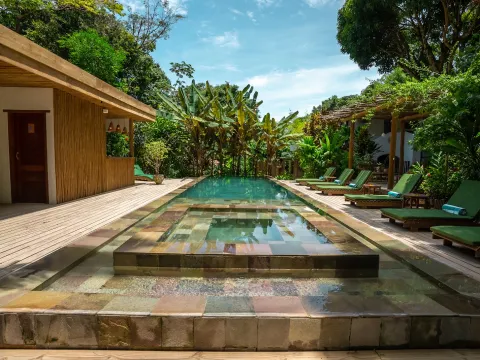
Facilities vary widely between coastal resorts, eco-focused lodges and city hotels. On the coast, a full spa, multiple swimming pools and hot tubs overlooking the sea are common at the top end. In nature-focused properties, the highlight might be an outdoor pool carved into the landscape, or a small hotel spa that specialises in post-hike treatments rather than elaborate rituals.
Before you book, check availability for the exact room type you want rather than assuming upgrades will be easy in high season. Look carefully at access to the beach or national park, whether the property is truly family friendly, and how far it sits from the nearest town. For many travelers, the sweet spot is a place that feels private and immersed in nature, yet still allows a short drive to restaurants and local life.
Who the South of Brazil suits best
Travelers who already know Rio de Janeiro Copacabana or central São Paulo often come south looking for contrast. They want quieter beaches, more nature and hotels where the soundtrack is waves and wind rather than traffic. The region answers that brief with ease, especially along the Santa Catarina coastline and in the areas bordering national parks.
Families appreciate the combination of space and structure. Many resorts in the south of Brazil are explicitly family friendly, with children’s pools, flexible room layouts and activities that make use of the surrounding nature rather than confining younger guests indoors. Couples, on the other hand, tend to gravitate towards smaller properties with more private settings, where a room with a hot tub and sea view becomes the main event.
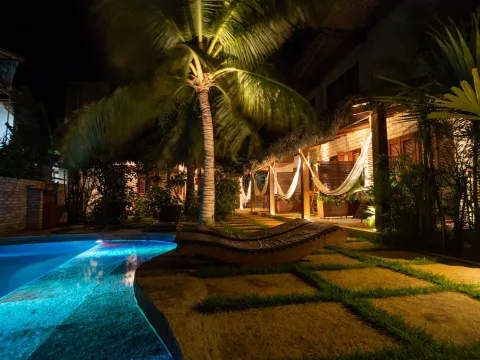
If your priority is nightlife, rooftop bars and a constant buzz, the south will feel subdued compared with Rio de Janeiro or São Paulo. But if your idea of a perfect evening is a long dinner, a walk along a quiet beach and a late swim in a softly lit pool, this region is a strong candidate. It is less about being seen, more about how you feel once you arrive.
Practical planning tips for a refined stay
Seasonality shapes everything in the south of Brazil. Spring, from September to November, brings pleasant temperatures and fewer crowds, which makes it an excellent moment to explore Santa Catarina or the inland parks. Summer is livelier, with Brazilians from across the country heading south, so it is wise to check availability well ahead if you are targeting late December to Carnival.
Distances can surprise first-time visitors. A coastal drive from Florianópolis to the quieter beaches near Guarda do Embaú takes around 60 km and about 1 hour 10 minutes in light traffic, while reaching the wine region from Porto Alegre can take 2 to 3 hours by road depending on your exact valley. When you plan, think in terms of two or three bases rather than trying to cover the entire region from a single hotel.
For a balanced itinerary, many travelers pair a coastal resort in Santa Catarina with a shorter stay near a national park or in a cultured city like Curitiba. This mix lets you experience both the beach and the forest, both nature immersion and urban comfort. Whatever combination you choose, the south of Brazil rewards those who slow down, stay a little longer in each place and let the rhythm of the region set the pace.
Is the South of Brazil a good alternative to Rio and São Paulo for a first trip?
The south of Brazil works very well as an alternative if you value nature, calmer beaches and more space in your hotel. You will not find the same intensity of nightlife as Rio de Janeiro Copacabana or central São Paulo, but you gain quieter coves, access to national parks and resorts that feel more private. For travelers who prefer long walks, scenic drives and evenings by the swimming pool, it can be a better fit than the big cities.
What should I compare when choosing a hotel in the South of Brazil?
Focus on three main points: location, room type and access to nature. Location determines whether you are on a busy beach, a secluded bay, near a national park or in a city centre. Room types can vary from compact spaces to suites with a separate living room and private outdoor areas with hot tubs. Finally, check how easily you can reach the beach, trails or viewpoints you care about, as some properties are more isolated than they appear on a map.
Is the South of Brazil suitable for families?
Yes, the region is particularly suitable for families who enjoy outdoor activities. Many resorts are clearly family friendly, with children’s pools, flexible bedding options and easy access to safe beaches or gentle nature walks. When you book, verify whether kids’ activities are seasonal and how far the hotel is from medical facilities and supermarkets, especially if you are staying on a more remote stretch of coast.
When is the best time to visit the South of Brazil?
Spring, from September to November, offers the most balanced conditions for most travelers, with pleasant temperatures and fewer crowds. Summer brings hotter weather and a livelier atmosphere, especially along the Santa Catarina coast, but also higher demand for rooms. Autumn can be attractive for those interested in wine regions and quieter cities, while winter is cooler and better suited to urban stays and inland explorations than to long beach days.
How many days should I plan for the South of Brazil?
A minimum of five to seven days allows you to experience one coastal area and either a city or a national park. With ten days, you can comfortably combine Santa Catarina beaches, an inland nature stay and a night or two in a city like Curitiba or Porto Alegre. The region rewards slower travel, so if you prefer a relaxed pace, consider staying longer in each base rather than adding more stops.
Best hotels in the South of Brazil: curated picks
To match different travel styles, here is a concise selection of standout hotels in the south of Brazil, grouped by area and price band (prices are indicative and can vary by season):
Santa Catarina & Florianópolis
Costão do Santinho Resort & Spa (Florianópolis, upper-mid to luxury) – Large beachfront resort on Praia do Santinho with multiple pools, a full spa and direct access to dunes and hiking trails, ideal for families and active travelers.
Ponta dos Ganchos Exclusive Resort (Governador Celso Ramos, luxury) – Adults-only hideaway on a private peninsula north of Florianópolis, known for villas with hot tubs, sea views and discreet, high-end service.
Hotel Boutique Quinta das Videiras (Florianópolis, mid-range boutique) – Intimate, design-led hotel in Lagoa da Conceição with characterful rooms and a courtyard pool, perfect for couples who want style close to beaches and nightlife.
Nature & national park stays
Belmond Hotel das Cataratas (Foz do Iguaçu, luxury) – The only hotel inside Iguaçu National Park on the Brazilian side, offering early-morning access to the falls before day visitors arrive and refined rooms facing the forest.
Sanma Hotel (Foz do Iguaçu, upper-mid-range) – Resort-style property near the Iguaçu National Park entrance, with spacious gardens, a large pool and easy access to both the falls and birdwatching areas.
Urban bases: Curitiba & Porto Alegre
Nomaa Hotel (Curitiba, upper-mid to luxury) – Contemporary boutique hotel in the Batel district, appreciated for its minimalist design, excellent breakfast and walkable location near parks and restaurants.
Radisson Hotel Curitiba (Curitiba, mid-range) – Reliable city hotel overlooking Praça do Japão, offering comfortable rooms, an indoor pool and convenient access to central attractions and business areas.
Hotel Laghetto Viverone Moinhos (Porto Alegre, mid-range) – Well-located option in the Moinhos de Vento neighborhood, with a rooftop pool, compact spa and easy access to cafés, bars and the city’s green spaces.
Hotel Deville Prime Porto Alegre (Porto Alegre, upper-mid-range) – Full-service hotel near the airport with resort-style gardens, a large outdoor pool and spacious rooms, useful as a base before or after Serra Gaúcha wine trips.
These properties illustrate the range of stays available in the south of Brazil, from beachfront resorts and eco-focused lodges to polished city hotels, helping you match your base to the kind of trip you want.