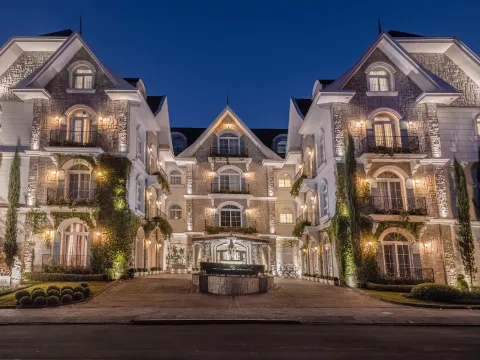
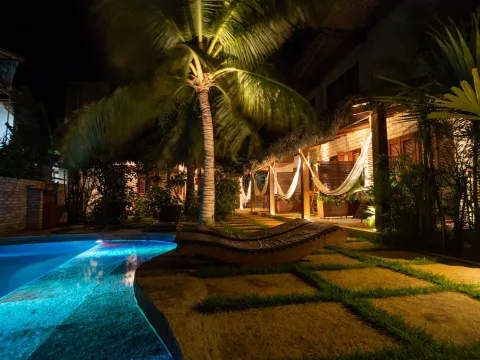
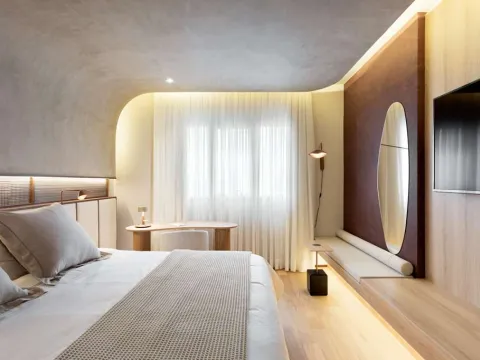
Plan where to stay in Southeast Brazil with this guide to the best hotel areas in Rio de Janeiro, São Paulo, Minas Gerais and Belo Horizonte, including examples of beachfront icons, countryside resorts and heritage pousadas.
How to Choose the Best Hotels in Southeast Brazil
Why the Southeast Brazil region is a strong hotel choice
From the curve of Copacabana to the colonial slopes of Ouro Preto, the Southeast Brazil region concentrates many of the country’s most sophisticated hotels in a relatively compact area. If you want serious comfort, reliable service and a wide choice of star hotel options, this is where Brazil does it best. The average hotel rating in the region is high, and the sheer number of properties means you can be selective rather than simply grateful for whatever is available.
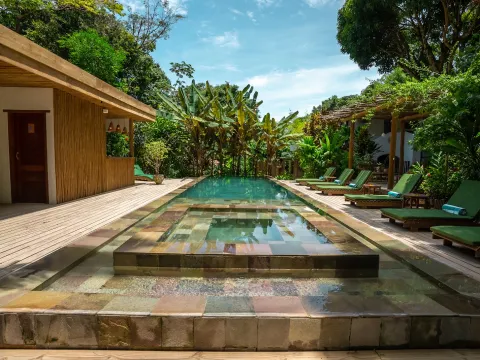
Guests choosing hotels in Southeast Brazil can expect a broad spectrum of atmospheres. Urban towers in Rio de Janeiro and São Paulo deliver rooftop pools, skyline views and polished service, while countryside retreats lean into nature, wellness and slower rhythms. Many hotels in the southeast of the country now focus on wellness, with spas, saunas and generous swimming pool areas becoming standard at the upper end, especially in resorts that market themselves as family friendly or romantic escapes.
This region suits travelers who care about more than a bed for the night. If you value design, attentive staff, a good breakfast and a sense of place, the Southeast gives you more consistent quality than most other parts of Brazil. It works especially well for first-time visitors who want Rio de Janeiro energy, São Paulo culture and a few quieter days in Minas Gerais or the interior, all without compromising on comfort or access to well-reviewed, centrally located hotels.
Rio de Janeiro: beachfront icons and urban calm
Wave patterns on Avenida Atlântica, the sound of traffic mixing with the Atlantic — staying in Rio de Janeiro is as much about the street as the suite. Along Copacabana Beach, hotels line the promenade in a continuous wall of glass and marble, many with rooftop pools looking straight onto the sand. A higher rating here often translates into better soundproofing, more generous rooms and a calmer, more discreet lobby experience rather than just extra décor or a slightly larger swimming pool.
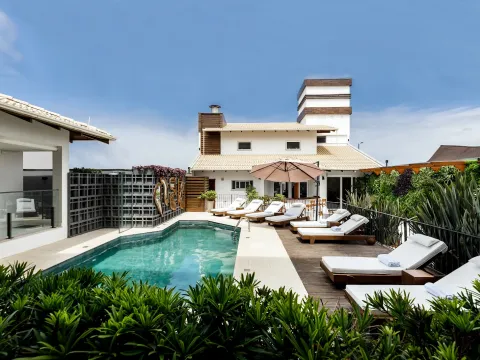
In Leblon and Ipanema, properties tend to be smaller, more design-driven and more residential in feel. Guests who prefer privacy over spectacle often choose these neighbourhoods, trading Copacabana’s constant buzz for quieter streets and refined restaurants on Rua Dias Ferreira or around Praça Nossa Senhora da Paz. Barra da Tijuca, by contrast, stretches for kilometres; hotels there usually offer larger swimming pool complexes and easier car access, which suits families and longer stays looking for the best family hotels in Barra da Tijuca with direct beach access.
When comparing hotels in Rio de Janeiro, look beyond the number of stars. Check how the pool is oriented to the sun, whether the hotel faces the beach or sits a block behind, and how guests describe the atmosphere in reviews. Some properties with superb feedback focus on relaxed, barefoot luxury, while others feel more corporate but deliver very efficient service. Decide whether you want to walk out directly onto the sand or prefer a quieter backstreet one or two blocks inland, especially if you are sensitive to noise or late-night music.
Concrete hotel examples in Rio de Janeiro
- Copacabana Palace, A Belmond Hotel (Copacabana) – Luxury beachfront icon with a grand ocean-facing pool and refined service; typically priced at the very top of the Rio de Janeiro luxury range, it suits travelers seeking classic glamour and a landmark address.
- Fairmont Rio de Janeiro Copacabana – Upper-upscale hotel on the Copacabana–Ipanema corner, known for its infinity pool and spa; often chosen by couples and honeymooners who want a resort-style feel in the heart of the city.
- Emiliano Rio (Copacabana) – Design-led boutique hotel with minimalist rooms and a rooftop pool; guests highlight attentive staff and contemporary style, with many rooms facing Avenida Atlântica and the beach.
- Hotel Fasano Rio de Janeiro (Ipanema) – Chic boutique hotel in Ipanema with a celebrated rooftop pool and bar; ideal for travelers prioritizing nightlife and sophisticated dining along Vieira Souto and nearby streets.
- Windsor Barra Hotel (Barra da Tijuca) – Large, upper-midrange beachfront property with expansive pools and family friendly facilities; popular with guests who want space, easier parking and direct access to Barra da Tijuca’s long sandy beach.
São Paulo: vertical luxury and cultural access
On Avenida Paulista at rush hour, São Paulo feels like a financial capital first and a leisure destination second. Yet some of Brazil’s most sophisticated hotels hide in Jardins, Itaim Bibi and Vila Nova Conceição, often on tree-lined streets just a turn away from the main avenues. Here, luxury is less about a view of the ocean and more about space, service choreography and access to the city’s cultural life, from museums to high-end restaurants.
Hotels in São Paulo tend to be tall rather than sprawling, with upper floors offering superb skyline views and lower floors focusing on quiet, well-insulated rooms. Many high-end properties feature compact but elegant pools on rooftops or terraces, more for a late-afternoon dip than for all-day lounging. Guests who value gastronomy should pay close attention to in-house restaurants, as some of the city’s most interesting kitchens sit inside hotels rather than on the street, especially in boutique hotels in Jardins and Itaim Bibi.
For business and culture-focused stays, hotels on the São Paulo side are often a better choice than beach resorts. You are close to MASP on Avenida Paulista, the galleries of Rua Oscar Freire and the green expanse of Ibirapuera Park, all within a short car ride or taxi trip. When reading reviews hotel by hotel, look for comments about sound insulation, staff responsiveness and ease of moving around the city; these details matter more here than the size of the swimming pool or the presence of a spa.
Concrete hotel examples in São Paulo
- Hotel Unique (Jardins) – High-design luxury hotel with a rooftop pool and bar overlooking Ibirapuera Park; widely recognised for its striking architecture on Avenida Brigadeiro Luís Antônio and attentive service.
- Tivoli Mofarrej São Paulo (Jardins) – Upscale tower with a renowned spa and one of the city’s top hotel restaurants; a favourite for both business and leisure travelers who want easy access to Avenida Paulista and Rua Augusta.
- Renaissance São Paulo Hotel (Jardins) – Upper-upscale property with a full-service spa and lively bar scene; appreciated for comfort and a central location close to Avenida Paulista, Consolação metro and cultural venues.
- Fasano São Paulo (Jardins) – Discreet luxury hotel known for its service and classic design; ideal for travelers who want understated elegance, a strong in-house restaurant and proximity to Rua Oscar Freire’s boutiques.
- Blue Tree Premium Faria Lima (Itaim Bibi) – Upper-midrange business hotel with a rooftop pool and practical amenities; suits guests who prioritize location near Faria Lima offices, JK Iguatemi shopping and Itaim Bibi nightlife.
Minas Gerais and the interior: heritage towns and nature retreats
Cobblestones in Ouro Preto, church towers on steep hillsides and cool mountain air — the Minas Gerais part of Southeast Brazil offers a very different hotel experience. Instead of high-rise towers, you find low-slung properties that echo colonial architecture, often with inner courtyards, gardens and small pools tucked away from the street. The atmosphere is slower, more contemplative, and well suited to guests who prefer history and landscape to nightlife or shopping.
In Ouro Preto and nearby historic towns, hotels often occupy restored buildings, which means rooms can vary in size and layout. A higher star rating here usually signals better maintenance, stronger water pressure and more comfortable bedding rather than flashy facilities. When you read guest feedback, pay attention to comments about noise from cobbled streets and churches; staying a little uphill or one block off the main square can make nights noticeably quieter and more restful.
Further into the interior of São Paulo state and Minas Gerais, resorts set in nature reserves or countryside estates focus on outdoor activities and wellness. Expect larger grounds, walking paths, sometimes mini golf or adventure circuits, and generous pool areas designed for long, lazy afternoons. These hotels are particularly family friendly, with children’s areas and activities that allow adults to enjoy the spa or simply sit by the water in peace, making them strong candidates when you search for the best countryside resorts in Southeast Brazil.
Concrete hotel examples in Minas Gerais and the interior
- Hotel Solar do Rosário (Ouro Preto) – Upscale heritage hotel in a restored colonial building with gardens and pools; praised for its atmospheric interiors and location near Ouro Preto’s historic centre.
- Pousada do Mondego (Ouro Preto) – Charming boutique pousada overlooking a historic square; guests highlight characterful rooms, valley views and easy access to churches and museums.
- Grande Hotel de Araxá (Araxá, Minas Gerais) – Historic spa resort with thermal pools and extensive grounds; popular for wellness-focused stays and weekend breaks from Belo Horizonte or Uberaba.
- Hotel Fazenda Boa Sorte–style rural resorts (interior São Paulo and Minas) – Typical midrange farm-style properties with horseback riding, fishing and large pools; appealing to families seeking nature, fresh air and on-site activities.
- Bourbon Atibaia Resort (Atibaia, São Paulo state) – Large family resort with multiple pools, sports courts and kids’ clubs; often chosen for school holidays and long weekends thanks to its proximity to São Paulo city.
Belo Horizonte and secondary cities: balanced, practical comfort
On Avenida Afonso Pena in Belo Horizonte, the skyline is lower than São Paulo’s but the rhythm is just as urban. Hotels here tend to be practical, comfortable and well located for both business and leisure, with a growing number of properties that pay more attention to design and service details. You are rarely far from a praça, a park or a traditional bar serving Minas cheese and cold beer, which makes even short stays feel grounded in local life.
For travelers combining Belo Horizonte with Ouro Preto or the Inhotim art complex, the city works well as a base. Look for hotels near Praça da Liberdade or in the Savassi neighbourhood if you want cafés, galleries and nightlife within walking distance. Guest reviews with good ratings often highlight attentive staff and solid breakfast spreads rather than dramatic architecture or huge pools, which reflects the city’s more understated style and focus on practicality.
Secondary cities across the Southeast region — from industrial hubs to spa towns — usually offer a mix of straightforward business hotels and a smaller number of more characterful properties. When comparing options, check whether the hotel has a swimming pool or spa if relaxation is a priority, as not all urban hotels include these. For one or two nights, location and ease of access often matter more than a long list of facilities, especially if you are catching early flights or moving on by road between cities.
Concrete hotel examples in Belo Horizonte and secondary cities
- Ouro Minas Palace Hotel (Belo Horizonte) – Large upper-midrange hotel with an indoor pool and spa; popular with both business and leisure travelers who want quick access to the city’s main avenues.
- Radisson Blu Belo Horizonte, Savassi – Contemporary city hotel close to cafés and bars; appreciated for its Savassi location, walkability and comfortable, modern rooms.
- Mercure Belo Horizonte Lourdes – Reliable midrange option with a small pool and good breakfast; often chosen for work trips thanks to its central position and consistent service.
- Hotel Vila Inglesa (Campos do Jordão, São Paulo state) – Alpine-style mountain hotel with fireplaces and indoor pool; ideal for cooler-weather getaways and romantic weekends in the Serra da Mantiqueira.
- Palace Hotel Poços de Caldas (Poços de Caldas, Minas Gerais) – Historic spa-town hotel with classic interiors; appreciated for its central location near the main square and nostalgic charm.
How to choose the right hotel in Southeast Brazil for your trip
Start with your route. If your journey runs from Rio de Janeiro to São Paulo with a stop in Minas Gerais, think of your hotels as a sequence: perhaps a beachfront property in Copacabana or Barra da Tijuca, a heritage stay in Ouro Preto, then a sleek tower in Jardins. Each stop can answer a different need — sea air, history, urban culture — while maintaining a consistent level of comfort and access to well-reviewed restaurants and attractions.
Next, match the hotel style to your travel profile. Families often benefit from resorts or city hotels with larger pools, kids’ areas and flexible room configurations, especially in the interior or in Barra da Tijuca where space is more generous. Solo travelers and couples may prefer more intimate properties in Ipanema, Leblon or central São Paulo, where walking to restaurants and cultural venues is easy and the atmosphere feels more adult, similar to boutique hotels Ipanema is known for.
Finally, read guest feedback with a critical eye. Superb reviews or fabulous reviews are useful, but focus on patterns rather than isolated praise or complaints. If several guests mention that the pool is crowded at certain hours, that breakfast is particularly good, or that the area feels very safe at night, you can treat those as reliable signals. In a region with thousands of hotels and generally high ratings, these nuances help you choose the property that truly fits the way you like to travel and the specific neighbourhood vibe you prefer.
What to verify before booking: practical checks that matter
Location details come first. In Rio, confirm whether the hotel actually faces the beach or sits behind another building; a “sea view” room on Avenida Atlântica is different from a partial glimpse from a side street. In São Paulo, check the exact street and neighbourhood, as staying on Rua Haddock Lobo in Jardins feels very different from being on a busy arterial road with limited pedestrian life, especially if you plan to walk to restaurants at night.
Facilities deserve a closer look than a simple star rating. If a pool is important, verify whether it is large enough for real swimming or more of a decorative plunge pool, and whether it receives sun during the hours you plan to use it. For wellness-focused stays, confirm the presence of a spa, sauna or dedicated relaxation area rather than assuming that every higher-category hotel offers them, and check whether family facilities such as kids’ clubs or shallow pools are available if you are traveling with children.
Finally, consider the rhythm of your days. Early departures, late arrivals and multi-city itineraries make details such as 24-hour reception, luggage storage and flexible breakfast times more relevant than an extra decorative feature. When comparing hotel offers across the Southeast Brazil region, weigh these practicalities against atmosphere and design. The best choice is rarely the most spectacular property on paper, but the one whose services quietly align with the way you actually travel and the specific experiences you want from each stop.
Is Southeast Brazil a good region for first-time visitors choosing hotels?
Yes, Southeast Brazil is an excellent region for first-time visitors because it combines Rio de Janeiro’s beaches, São Paulo’s culture and Minas Gerais’ historic towns with a dense concentration of quality hotels. The area offers consistently high ratings, a wide range of styles from urban towers to countryside retreats and reliable service standards. This makes it easier for newcomers to find a hotel that matches their expectations without sacrificing comfort, safety or convenient locations close to major sights.
What type of hotel suits families best in Southeast Brazil?
Families are usually best served by resorts or larger city hotels that offer generous swimming pools, children’s areas and flexible room layouts. Areas such as Barra da Tijuca in Rio de Janeiro and countryside resorts in São Paulo state or Minas Gerais often provide more space, easier car access and a calmer environment than compact urban properties. When reading guest feedback, look for mentions of family friendly services, kids’ activities and practical details like early breakfast options or interconnecting rooms, which can make stays smoother.
How should I compare hotels in Rio de Janeiro and São Paulo?
In Rio de Janeiro, focus on proximity to the beach, pool orientation and neighbourhood character when comparing hotels. In São Paulo, location relative to business districts, cultural venues and green spaces such as Ibirapuera Park matters more than sea views. For both cities, use guest reviews to assess noise levels, service quality and ease of getting around, as these factors often define the real experience beyond the official star category or the presence of a rooftop pool.
Are heritage towns like Ouro Preto a good idea for a luxury stay?
Heritage towns such as Ouro Preto can be an excellent choice for a refined stay if you value atmosphere and history over large-scale facilities. Hotels there often occupy restored buildings with characterful rooms, gardens and small pools rather than expansive resort infrastructure. For travelers who enjoy walking cobbled streets, visiting churches and experiencing a slower pace, this trade-off usually feels worthwhile, especially when combined with a night or two in a spa resort elsewhere in Southeast Brazil.
What should I check in guest reviews before booking a hotel in Southeast Brazil?
When reading guest reviews for hotels in Southeast Brazil, pay attention to recurring comments about cleanliness, staff attitude, noise levels and the real feel of the neighbourhood. Notes about the quality of breakfast, the usability of the pool and the comfort of beds are often more revealing than general praise. In a region where many hotels receive good reviews, these specific details help distinguish a merely adequate stay from a genuinely memorable one that matches your expectations for location, style and service.