Planning a stay in the Bahia Brazil region? Discover the best areas and hotel styles in Salvador, Praia do Forte, Trancoso, Morro de São Paulo and more, with clear guidance on what to expect.
Choosing Bahia for your next stay
Golden light on Barra Beach at 17:00 says a lot about Bahia. People linger in the water, music drifts from a kiosk, and the Farol da Barra lighthouse cuts a clean line against the sky. If you are wondering whether the Bahia region is a good choice for a hotel stay in Brazil, the answer is yes – provided you know which coastline, which neighborhood, and which style of property match your way of travelling.
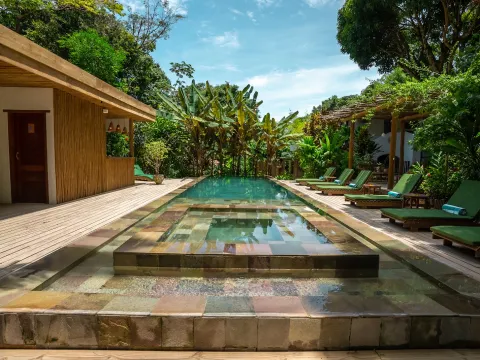
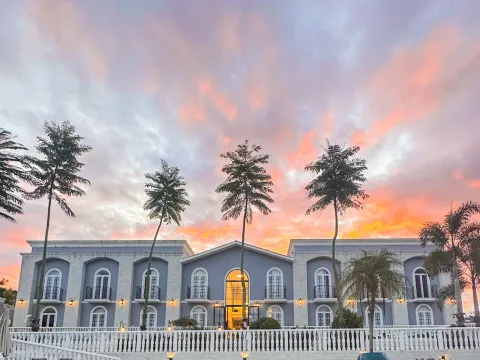
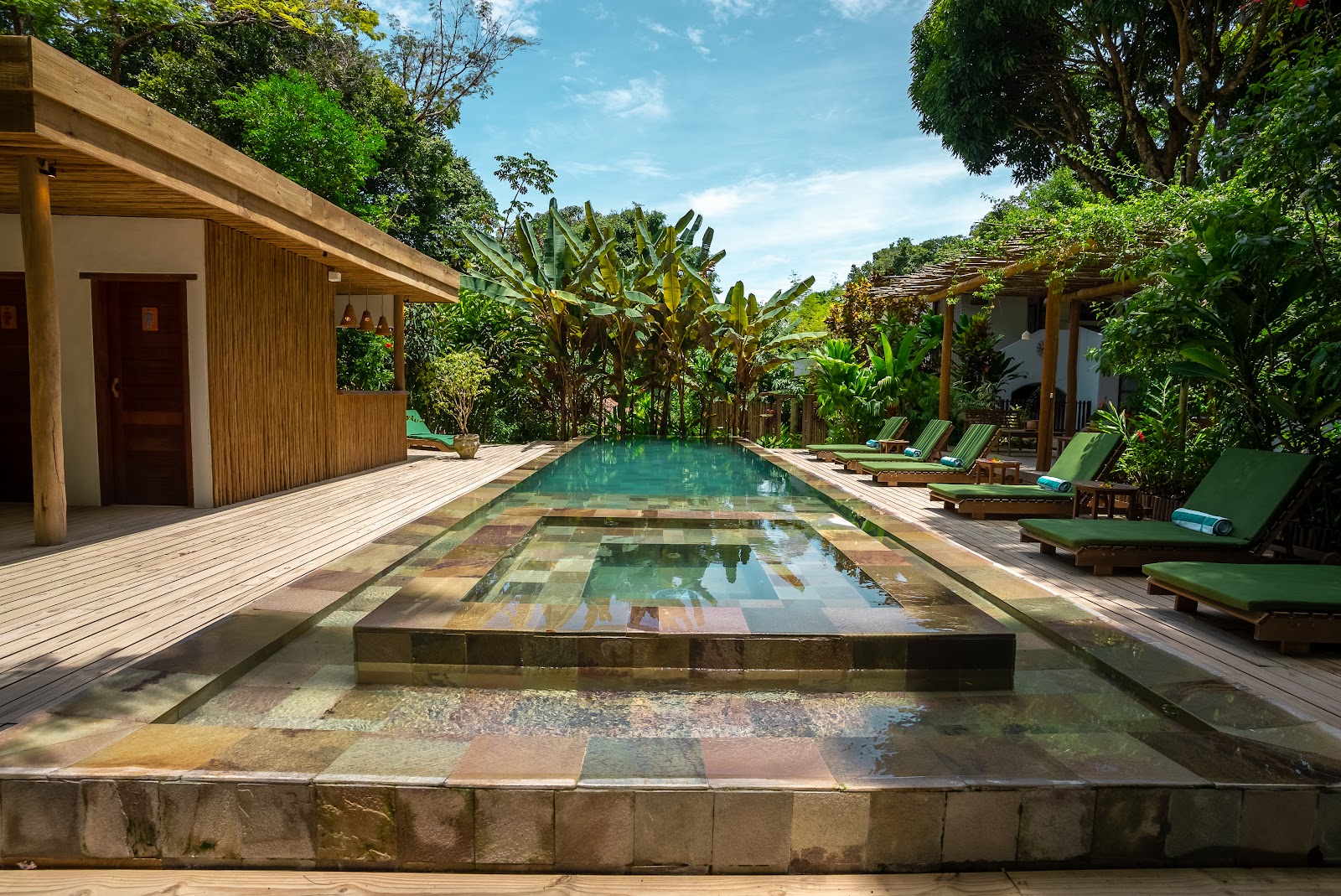
Bahia is vast. Salvador, Praia do Forte, Trancoso, Morro de São Paulo, Arraial d’Ajuda and Porto Seguro each offer a different balance between urban energy, barefoot beach life and quiet seclusion. Luxury here is not only about marble lobbies and huge swimming pools ; it is also about how close your room is to the sea, how many steps separate you from a late-night moqueca, and whether you wake to church bells or to waves. For many guests, a refined pousada with ten carefully designed rooms can feel more special than one of the largest hotels in Bahia.
Before you check availability, decide what you want your days to look like. Do you picture a beach hotel where you can walk straight from breakfast to the sand, or a city hotel in Salvador Bahia where you can explore museums by day and return to a quiet pool at night ? Are you happier in a place where you meet the same guests around the swimming pool every afternoon, or in a larger resort where anonymity is part of the comfort ? These choices will narrow the region – and the hotel offers – very quickly.
Staying in Salvador: Barra, Rio Vermelho and the historic core
Ocean spray on Avenida Oceânica in Barra feels different from the breeze in the upper town. In Barra, hotels line the curve between Farol da Barra and Barra Beach, with rooms that often look straight onto the Atlantic. This is where you stay if you want sea views without giving up city life ; you can swim in the morning, then be in the Pelourinho in about 15 minutes by car. Rooms here tend to be compact but efficient, with the real luxury found in the views and the ability to cross the street and be on the beach.
Shift east to Rio Vermelho and the mood changes. This neighborhood mixes creative energy, candomblé traditions and a serious night scene, especially around Largo de Santana. Hotels in Rio Vermelho often feel more contemporary, with rooftop pools, clean-lined rooms and a guest profile that skews younger or at least more nocturnal. If you like to go out late and walk back along Rua da Paciência, this is your base. It is less ideal, however, if you are seeking silence or travelling with very young children who need early nights.
Inside the historic center, around Praça da Sé and the Pelourinho, you trade immediate beach access for architecture and atmosphere. Here, a small pousada in a restored townhouse can offer high ceilings, wooden floors and views over the bay from a narrow balcony. You stay in this part of Salvador when you want to step out of your room and be in front of a 17th-century church within minutes. The trade-off is clear : more character, more cultural immersion, but longer drives to swim and fewer large-scale facilities like expansive swimming pools.
Beachfront north of Salvador: Praia do Forte and beyond
Coconut palms and long, walkable sand define the coast north of Salvador. Praia do Forte, about 80 km from the city, has grown into one of the most polished beach destinations in Bahia, with a compact village center and a string of hotels and pousadas behind the dunes. You come here for a beach hotel where you can move between your room, the pool and the sea in a few steps, and where the main street offers enough restaurants and bars to keep nights easy but not wild.
Large resorts in this stretch of coast typically offer generous swimming pools, multiple restaurants and direct access to the beach. They suit guests who want to unpack once and stay put, especially families or groups who appreciate structured activities and a wide choice of rooms. The atmosphere is relaxed rather than ostentatious ; think long lunches under shade, children in and out of the pool, and early evening walks along the sand before dinner. If you are coming from São Paulo or Rio de Janeiro and want a simple, all-in-one escape, this corridor works very well.
Smaller pousadas in and around Praia do Forte offer a different rhythm. Fewer rooms, more personal attention, and often lush gardens that create a sense of privacy even when you are close to the village. These properties are ideal if you value quiet nights, birdsong at breakfast and the ability to walk to the Projeto Tamar sea turtle center or to the small church by the water. When you check availability in this area, look carefully at how far the property sits from the main beach and whether it faces the ocean or the garden ; in Bahia, orientation can change your experience as much as room size.
Southern charm: Trancoso, Arraial d’Ajuda and Porto Seguro
Red cliffs, warm water and a slower pace define the southern coast around Porto Seguro. Trancoso, reached by a combination of flight and road, has become a reference point for discreet, design-conscious stays in Brazil. The heart of the village, the Quadrado, is a grassy rectangle bordered by colorful houses and a white church that looks straight out to sea. Many of the most interesting hotels and pousadas hide behind these façades or in the surrounding hills, offering rooms that feel more like private casas than standard hotel units.
In Trancoso, you choose between staying near the Quadrado or closer to the beach. Near the square, nights are atmospheric, with soft lighting, good restaurants and a sense of community ; you walk home under the trees, not along a busy road. Down by the beach, a beach hotel gives you immediate access to the sand clubs and calmer daytime swimming, but evenings are quieter and you will rely more on transfers or a car. Guests who value design, gastronomy and a certain bohemian elegance tend to prefer Trancoso over other parts of the south.
Across the river from Porto Seguro, Arraial d’Ajuda offers a more casual, family-friendly version of this coastal life. The village has a central street with shops and restaurants, and a series of beaches that stretch southwards. Hotels here range from simple pousadas with a handful of rooms to larger properties with a pool and gardens. Porto Seguro itself, especially along the beachfront north of the town, suits travellers who want easy access, a wide choice of hotels Bahia style, and a livelier atmosphere. It is less intimate than Trancoso, but more practical if you are travelling in a group with different expectations.
Island escape: Morro de São Paulo and the Tinharé coast
Sand paths instead of streets set the tone in Morro de São Paulo. Located on Tinharé Island, south of Salvador, this village is reached by boat or small plane, which already filters the type of guest who arrives. Once there, you choose your beach carefully : Primeira, Segunda, Terceira or Quarta Praia, each with a distinct character. Hotels and pousadas line these stretches of sand, and your choice of beach will define your stay more than any other factor.
On the first and second beaches, you find more movement. Music, bars, people walking at all hours. A hotel morro stay here suits travellers who want to be in the middle of things, with easy access to restaurants and night spots. Rooms may be slightly smaller and closer together, but you step out and you are on the sand. On the third and fourth beaches, the mood softens ; properties are more spaced out, nights are quieter, and sea views feel more expansive. This is where you book if you want to sleep to the sound of waves rather than to the echo of a party.
Because access is by water or air, you should check availability early for Morro de São Paulo, especially in Brazilian holiday periods. Many properties have pools, but the real swimming pool is the sea itself, with natural pools forming at low tide along parts of the coast. If you value a certain level of comfort, look for hotels that clearly describe their room categories, distance to the pier and whether they offer help with luggage along the sandy paths. The charm is real, but so is the heat and the terrain.
Who Bahia suits best – and what to verify before booking
Travellers who fall in love with Bahia usually share a few traits. They are comfortable with a slower rhythm, they appreciate culture as much as beach time, and they understand that in this part of Brazil, luxury often means space, light and human warmth rather than formality. If you are looking for a highly urban, high-rise skyline experience, you may be happier in São Paulo and its business hotels. If you want a mix of beach, music and history, Salvador Bahia and its coastal satellites are a better fit.
Before you commit to a room, verify three things. First, exact location : in Salvador, check whether your hotel salvador choice sits in Barra, Rio Vermelho or the historic center, because the daily experience changes completely between these areas. Second, access to the beach and to swimming ; some properties advertise sea views but sit on a cliff or across a busy road, while others are truly beachfront with direct sand access and a usable swimming pool. Third, atmosphere at night ; a nice, quiet pousada by day can sit next to a bar that plays music late into the night.
It is also worth comparing the style of rooms and common areas. Some hotels in Bahia lean into a resort feel, with large pools, multiple restaurants and a wide mix of guests, from families to couples. Others are more intimate, with fewer rooms, a single pool and a focus on privacy. Decide whether you want to meet other guests at the bar at sunset or prefer to feel almost alone. Bahia can deliver both, but rarely in the same property.
How to match your profile to the best areas
Short stays of three or four nights work best in Salvador itself. Choose Barra if you want to wake up near Barra Beach, walk to the Farol Barra lighthouse and still be close to the city’s main sights. Opt for Rio Vermelho if your priority is restaurants and bars within walking distance, and you do not mind a more urban beach. The historic center suits culture-focused travellers who are happy to take a car to swim and prefer churches, museums and city views to a daily beach routine.
For a week or more, consider splitting your time. A few nights in a hotel in Salvador followed by a longer stay in Praia do Forte, Trancoso or Morro de São Paulo gives you both culture and rest. Praia do Forte is ideal for families and for guests who like structure and easy logistics. Trancoso and Arraial d’Ajuda suit couples or groups of friends who value atmosphere, design and long lunches by the sea. Morro São Paulo is better for those who enjoy a touch of adventure and do not mind boat schedules.
If you are returning to Brazil after time in São Paulo or Rio, Bahia offers a softer landing. The region rewards travellers who plan just enough – choosing the right stretch of coast, checking how many rooms a property has, confirming whether there is a pool or direct beach access – and then allow the rest to unfold. When you match your profile to the right corner of this coastline, the result feels less like a standard hotel stay and more like slipping into a different rhythm of life.
Best hotels in Bahia Brazil region: is Bahia a good choice for my trip?
Bahia is an excellent choice if you want a combination of warm beaches, strong local culture and a slower, more generous rhythm than in Brazil’s larger cities. The region offers everything from urban stays in Salvador, with easy access to Barra Beach and Rio Vermelho, to quieter escapes in Praia do Forte, Trancoso, Arraial d’Ajuda, Porto Seguro and Morro de São Paulo. It suits travellers who value atmosphere, sea views and human warmth over rigid formality. If you choose your area carefully – city, island or coastal village – you can find some of the best hotels in the Bahia Brazil region for your style of travel.
What should I check before booking a hotel in Bahia?
Before booking, verify the exact neighborhood or beach, because distances can be longer than they look on a map. Confirm whether the property is truly beachfront or simply offers distant sea views, and whether there is a usable swimming pool or easy access to safe swimming in the sea. Check availability early for popular spots like Praia do Forte, Trancoso and Morro de São Paulo, especially in Brazilian holiday periods. Finally, look into the typical atmosphere at night – some areas are lively until late, while others are very quiet after sunset.
Which Bahia areas are best for a first visit?
For a first visit, a combination of Salvador and one beach destination works very well. Stay in Barra or Rio Vermelho in Salvador for two or three nights to explore the historic center and enjoy city beaches, then add four to seven nights in Praia do Forte, Trancoso or Morro de São Paulo depending on whether you prefer structured resorts, design-focused coastal villages or an island feel. This mix gives you a clear sense of Bahia’s culture and coastline without too much internal travel.
Is Salvador better than the smaller beach towns?
Salvador is better if you want museums, churches, music and a sense of big-city Brazil alongside the beach. Smaller towns like Praia do Forte, Trancoso, Arraial d’Ajuda and Morro de São Paulo are better if your priority is rest, long days by the sea and quieter nights. Many travellers combine both, using Salvador for culture and the smaller towns for relaxation. The right balance depends on how much you enjoy urban energy versus barefoot beach life.
Who will enjoy Morro de São Paulo the most?
Morro de São Paulo suits travellers who like informal, car-free environments and do not mind arriving by boat or small plane. It is ideal if you enjoy walking along the sand between your hotel and restaurants, swimming in natural pools at low tide and choosing between livelier and quieter beaches. Guests who need very easy access, business-style services or a strictly urban setting may be happier in Salvador or Praia do Forte instead.