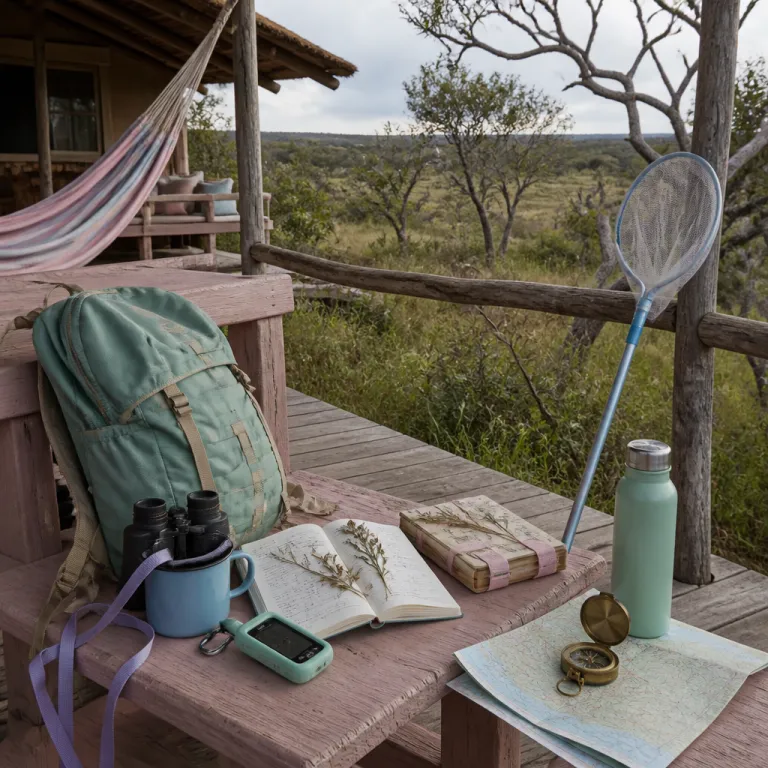
The cerrado revealed: Brazil’s quiet giant for nature stays
The cerrado does not look like the Amazon, and that surprises many travelers. This vast tropical savanna stretches over 2 036 448 km² of central Brazil, a mosaic of twisted trees, golden grasslands and gallery forests hiding streams that feed major rivers across Latin America. Scientists estimate that around 5% of all known species on Earth live here, which makes any well planned cerrado eco lodge Brazil nature stays itinerary feel both intimate and epic.
From a distance, the vegetation seems low and sparse, yet up close every metre reveals orchids, bromeliads and gnarled trunks adapted to fire and drought. Families arriving from Rio or São Paulo often expect dense jungle, then realise this is a different kind of jungle lodge experience, one where wide horizons and huge skies frame the wildlife. A stay in a carefully designed eco lodge or rural pousada becomes a front row seat on ecological processes that shape not only Brazil but much of South America.
The cerrado is officially classified as a biodiversity hotspot, but only about 8.21% of its area is under formal protection. That limited network of national park areas and private ecological refuge projects is why eco tourism here carries real weight for conservation minded guests. When you choose cerrado eco lodge Brazil nature stays over another anonymous hotel by the beach, you are helping to keep habitats intact for emblematic species such as the maned wolf and the giant anteater.
Eco-lodges, pousadas and projects opening the cerrado to families
New generation properties are finally translating the cerrado’s raw beauty into polished yet grounded hospitality. In Minas Gerais, the Ibiti Project has evolved from a conservation initiative into a discreet eco lodge network, where restored farmhouses and contemporary suites with air conditioning sit inside a living ecological refuge of trails, waterfalls and art installations. Here, cerrado eco lodge Brazil nature stays mean waking to mist over the hills, then returning from long days outdoors to thoughtful meals built around local produce.
Further north, Reserva do Ibitipoca extends that same philosophy of low impact luxury, pairing carefully restored fazendas with guided experiences that explain why the cerrado is losing ground faster than the Amazon. Families can book three nights or more and use the lodge as a base for horse riding, river swims and slow drives to viewpoints that glow at sunset, all while staff quietly handle logistics that make travel with children feel effortless. These are not urban rooftop pool icons, yet if you love curated city stays you can still pair them with Brazil luxury hotel deals in Rio or São Paulo using specialist platforms that negotiate exceptional offers on premium rooms and suites.
In Goiás, around Chapada dos Veadeiros National Park, a new wave of pousada owners is investing in solar power, rainwater harvesting and native landscaping. Properties such as Majulê Ecolodge near Cavalcante show how an eco lodge can blend contemporary design with traditional materials while still offering comforts like air conditioning and well timed lunch dinner service after long hikes. For families comparing options on mybrazilstay.com, these lodges sit in the same quality bracket as high end city hotels, but the value lies in access to trails, waterfalls and stargazing rather than in marble lobbies.
Signature cerrado adventures: from fervedouros to maned wolf sightings
Adventure in the cerrado feels different from the drama of the Amazon or the jaguar focused safaris of the Pantanal. Days start slowly, with soft light over the grasslands, then build into hikes to quartz framed waterfalls, swims in natural pools and late afternoon wildlife drives that might end with a maned wolf crossing the track. For many families, these cerrado eco lodge Brazil nature stays become the most memorable chapter of a longer Brazil itinerary that also includes a jungle lodge in the rainforest or a riverfront hotel in Manaus.
In Jalapão, in the state of Tocantins, community run camps and simple eco lodges give access to fervedouros, those surreal spring pools where you float without sinking thanks to rising sand. Children tend to remember the sensation for years, while adults appreciate that this form of eco tourism channels income directly to local communities who act as guardians of the landscape. Multi day programs often combine three nights near the fervedouros with time among golden dunes and cerrado trails, with all meals included so you can focus on the experience rather than logistics.
Elsewhere, in the borderlands of the Cerrado and the Sertão Veredas region, fazendas such as Fazenda Trijunção have built a reputation around ethical maned wolf viewing. Here, the iconic maned wolf is the star, but night drives also reveal other species that move between cerrado and neighbouring biomes, underlining how interconnected Brazil’s ecosystems are. A stay at Pousada Trijunção or a similar lodge can be paired with classic Pantanal wildlife extensions around Porto Jofre or Caiman Ecological Refuge, creating a Latin America safari circuit that still feels under the radar.
From Pantanal to Amazon: connecting Brazil’s great wild regions
For many premium families, the question is not cerrado or Pantanal or Amazon, but how to weave them together into one coherent journey. One smart approach is to anchor your wildlife focus in the Pantanal, perhaps at Caiman Ecological Refuge or a Porto Jofre riverside lodge, then add three nights in the cerrado to understand how jaguars, caimans and other species depend on upstream savannas. This kind of multi biome travel turns a standard Brazil holiday into a deeper exploration of Latin America’s ecological story.
On another axis, you might fly north to the Amazon and stay at an Anavilhanas Jungle Lodge or a Cristalino Jungle Lodge, then end with quieter days in a cerrado eco lodge Brazil nature stays property where the skies feel bigger and the air drier. The contrast between dense jungle and open savanna helps children grasp why conservation strategies must differ between biomes, even within the same country. It also shows how eco tourism, when done well, can support both iconic rainforest destinations and lesser known ecological refuge projects in the interior.
Urban interludes still have their place, especially for families who enjoy a design forward hotel with a rooftop pool before or after remote stays. Platforms like mybrazilstay.com curate Brazil luxury hotels with rooftop pool and panoramic views, making it easy to balance wild days with city nights. Think of these city breaks as punctuation marks between chapters set in the cerrado, the Pantanal and the Amazon, each lodge or pousada adding a different layer to your understanding of Brazil.
Practical planning: how to access the cerrado with kids in tow
Reaching the heart of the cerrado is easier than many first time visitors expect. Brasília and Goiânia act as gateways for Chapada dos Veadeiros and surrounding pousadas, while Palmas opens the door to Jalapão’s dunes and fervedouros, and Belo Horizonte connects you to the Ibiti Project and other Minas Gerais countryside lodges. From these hubs, transfers of a few hours by road bring you to eco lodges where staff understand that premium family travel requires both flexibility and reliability.
Most properties recommend visiting in the dry season from May to September, when trails are more accessible and wildlife viewing is generally better. During these months, days are warm and clear, nights can be cool, and the risk of heavy rain disrupting activities is lower, which matters when you have children and fixed school holiday dates. Whatever the season, you should book your chosen lodge or pousada well in advance, especially if you want specific room categories with air conditioning or interconnecting layouts.
On site, expect full board arrangements with breakfast, lunch, dinner and snacks included, which simplifies budgeting and keeps hungry young explorers happy between activities. Many eco lodges now integrate solar energy, rainwater harvesting and local materials, aligning comfort with sustainability in a way that feels natural rather than didactic. As one official explanation puts it, “What is the Cerrado? A vast tropical savanna in central Brazil. Why is the Cerrado important? It's a biodiversity hotspot and source of major rivers. How can I visit the Cerrado? Stay at eco-lodges like Majulê Ecolodge.”
Conservation, community and why your booking matters
Behind the polished service and carefully plated meals, the best cerrado properties are part of a wider conservation movement. Organizations such as Instituto Chico Mendes de Conservação da Biodiversidade (ICMBio) work with local communities, private landowners and eco lodge developers to expand protected areas and restore degraded land. When you choose cerrado eco lodge Brazil nature stays over a generic resort, you are effectively voting for this model of tourism with your wallet.
Projects like the Ibiti Project in Minas Gerais show how tourism revenue can fund reforestation, wildlife monitoring and cultural initiatives that keep rural communities rooted in their landscapes. In Goiás and Tocantins, community led tourism around Chapada dos Veadeiros and Jalapão ensures that income from guiding, transport and accommodation circulates locally rather than leaking out to distant corporations. This is eco tourism in its most grounded form, where an elegant lodge or family friendly pousada doubles as an informal classroom on ecology and culture.
For families, this context adds meaning to every hike, every wildlife sighting and every conversation with guides who grew up in the region. Children who learn to spot a maned wolf or identify a cerrado wildflower are also learning that travel can support, rather than damage, fragile environments. In a world where the Amazon and the Pantanal dominate headlines, choosing the quieter paths of the cerrado is a subtle but powerful way to broaden the narrative about Brazil’s nature and the role that thoughtful tourism can play.
FAQ: planning a family eco-lodge stay in the cerrado
What is the cerrado and how is it different from the Amazon?
The cerrado is a vast tropical savanna in central Brazil, with a mix of grasslands, twisted trees and gallery forests along rivers. Unlike the dense Amazon jungle, views are more open, skies feel bigger and wildlife such as the maned wolf and giant anteater are adapted to drier conditions. For travelers, that means more wide horizon hikes, stargazing and road based safaris rather than boat focused rainforest excursions.
When is the best time to visit the cerrado with children?
The dry season from May to September is generally the most comfortable period for families. Trails are less muddy, river levels are more predictable and wildlife viewing often improves as animals concentrate around water sources. Nights can be cool, so packing layers ensures that early morning game drives and evening walks remain enjoyable for younger travelers.
How do I reach main cerrado eco-lodge areas such as Chapada dos Veadeiros or Jalapão?
For Chapada dos Veadeiros and nearby pousadas, most visitors fly into Brasília or Goiânia, then continue by road for several hours with pre arranged transfers. Jalapão is usually accessed via Palmas, with 4x4 vehicles essential for sandy tracks and river crossings, especially outside the driest months. Many eco lodges and specialist agencies bundle transport, guiding and accommodation into multi day packages to simplify logistics.
Are cerrado eco-lodges suitable for luxury oriented families?
High end cerrado lodges and pousadas now offer comfortable suites, quality linens, air conditioning in many rooms and thoughtful cuisine, though the aesthetic leans toward natural materials rather than urban glamour. Service tends to be attentive and personalised, with guides tailoring activities to different ages and fitness levels. If you are used to premium hotels in Rio or São Paulo, expect fewer amenities but richer access to nature and culture.
How does staying in the cerrado support conservation and local communities?
Many eco lodges operate on former cattle ranches or family farms that are being restored as private reserves, so your stay funds habitat recovery and wildlife monitoring. Community based tourism initiatives in places like Jalapão and Chapada dos Veadeiros ensure that guiding, transport and craft income flows directly to local residents. By choosing these properties over generic resorts, you help strengthen an economic model that values standing forests, healthy rivers and living cultural traditions.