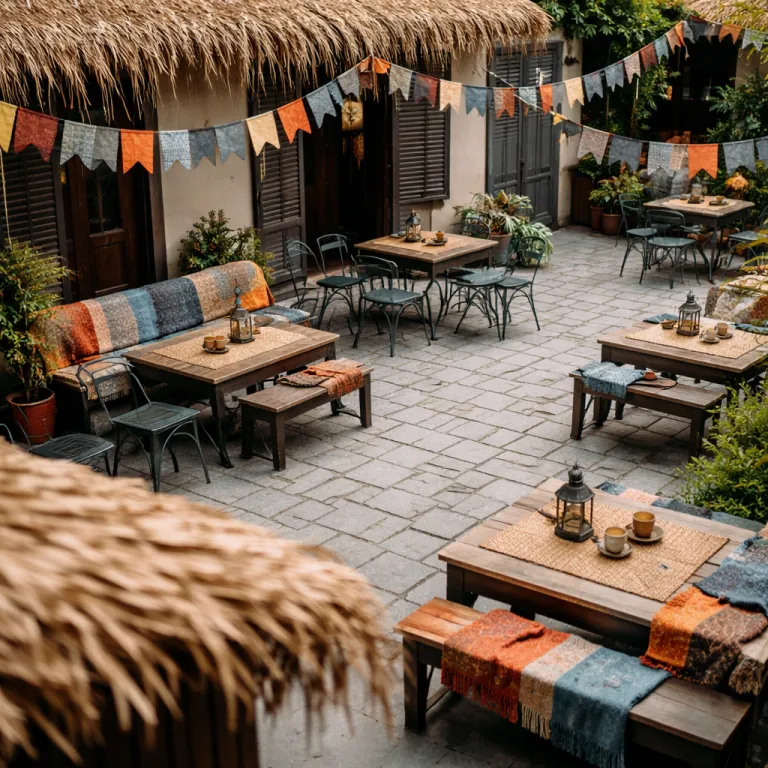
Why festas juninas hotels in northeast Brazil belong on your luxury radar
Luxury travelers often plan for Carnival or Réveillon, yet the most atmospheric season in Brazil quietly unfolds in June. Across the northeast, festas juninas hotels in northeast Brazil turn the countryside into a living stage where every junina festa, every festival bonfire and every strand of paper lanterns feels curated for guests who want immersion with comfort. When you time your stay around a major June festival, São João stops being a spectacle and becomes a textured entry point into Brazilian culture and rural life.
Festas juninas, or June festivals, celebrate three Catholic saints — Santo Antônio, São João and São Pedro — and they are second only to Carnival in scale across festival Brazil. In the northeast, people dress in checked shirts, straw hats and cotton dresses, then move between church squares, hotel courtyards and farm properties where traditional festa rituals unfold beside infinity pools and polished wine lists. For a luxury guest, the appeal lies in this contrast; you can dance forró on packed earth at a festa junina, then return to a suite where the minibar holds vinho quente ingredients alongside Champagne.
Unlike urban Carnival, June festivals are anchored in rural life, harvest cycles and the June saint calendar, which means food and games take center stage. Expect junina food built around corn in all its forms — pamonha, canjica, milho assado — served beside regional cheeses and slow cooked meats that rival any tasting menu in São Paulo. Hotels that embrace festas juninas in Brazil commission live music, quadrilha performances and even a greasy pole competition, yet they manage crowd sizes so guests can enjoy the party without sacrificing privacy or attentive service. In practice, that can mean capped guest lists, reserved seating areas and dedicated concierge teams who coordinate transfers to nearby arraial venues.
Campina Grande vs Caruaru: choosing your São João epicenter
Two cities dominate conversations about festas juninas hotels in northeast Brazil: Campina Grande in Paraíba and Caruaru in Pernambuco each claim the title of largest São João in the world. Campina Grande feels like a sprawling open air lounge, with its Parque do Povo hosting nightly music, fireworks, games and food stalls that stretch for hundreds of meters. Caruaru leans more into traditional festa aesthetics, where straw, paper lanterns and wooden stalls frame stages dedicated to forró, xote and other strands of northeastern music.
For a traveler who values polished infrastructure, Campina Grande’s hotel scene offers more contemporary towers and business style properties that quietly rebrand as São João hotels during June. Caruaru, by contrast, rewards guests who prefer smaller pousadas and rural hotels on the city’s fringes, where a private quadrilha rehearsal might unfold in the garden before you head into town for the main June festival. Both cities sit within a wider network of cultural hotspots, so you can pair a few intense nights of festa with slower days along the Pernambuco or Paraíba coast, or even extend your trip south to Bahia using a curated coastal itinerary such as the one in this hotel by hotel guide from Trancoso to Itacaré.
When comparing the two, think about how you like to engage with Brazilian culture and festivals. Campina Grande is better for travelers who want big name music acts, elaborate stages and the energy of a citywide party that runs every night of June. Caruaru excels at connecting guests to the roots of junina Brazil, from artisan markets and Saint John processions to family run stalls where you taste junina food that has been prepared the same way for generations. A practical split is three or four nights in one city for peak São João dates, followed by two or three quieter nights on the coast to decompress.
From Rio to the northeast: how luxury travelers actually get there
Most international visitors land first in Rio de Janeiro or São Paulo, then connect north to reach festas juninas hotels in northeast Brazil. Rio offers the softer landing, with its coastal light, familiar luxury brands and neighborhoods like Ipanema and Leblon that ease you into Brazilian culture before you head toward more intense June festivals. If you want a curated address book for that first stop, use a specialist resource such as this where to sleep in Rio guide for Ipanema and Leblon to lock in a hotel that understands onward connections to the northeast.
From Rio or São Paulo, direct flights to João Pessoa, Recife or Salvador place you within a few hours’ drive of major June festival hubs like Campina Grande and Caruaru. São Paulo’s airports, especially Guarulhos, offer the widest choice of direct flights into the northeast, which matters when you are planning around fixed dates for São João and other June saint celebrations. As a reference, flights from Rio or São Paulo to Recife or João Pessoa usually take around three hours, and private transfers from Recife to Caruaru or from João Pessoa to Campina Grande typically run between one and a half and two hours depending on traffic.
For those who prefer to minimize internal flights, some high end travelers choose a single state and go deep, using Recife or Salvador as both entry and exit points. This approach allows more time to understand how a June festival shapes daily life, from school calendars to hotel staffing, and how festas juninas hotels in northeast Brazil coordinate with local municipalities to manage traffic and safety. Whatever route you choose, build at least one buffer day before the main festa junina dates, and plan to book flights and hotels at least three to six months in advance, because delays on domestic routes and high demand can easily collide with fixed nights of music and fireworks.
Inside the hotel arraiá: how properties stage immersive festas juninas
Across Brazil, a growing group of properties now treat festas juninas as a core part of their annual programming rather than a themed night. Resorts such as Japaratinga Lounge Resort in Alagoas, Salinas Maragogi All Inclusive Resort in Alagoas and Vila Galé Cumbuco in Ceará design full June festival calendars, with quadrilha rehearsals, live music and curated junina food stations that run for weeks. In these settings, festas juninas hotels in northeast Brazil become cultural hotspots where guests can move between spa appointments and Saint John processions without ever leaving the property.
Other verified examples, including national family resorts like Vale Encantado Eco Park & Hotel and Recanto Cataratas Resort in Foz do Iguaçu, show how rural life and comfort can coexist during a festa junina even outside the northeast. They use traditional decorations, straw, paper lanterns and bonfires to frame lawns where children play games while adults sip vinho quente or caipirinhas under the stars. One verified description from the field captures the format succinctly: “What activities are included in hotel Festas Juninas?" "Live music, quadrilha dances, traditional foods, and games." These programs typically run through June and sometimes into early July, with weekend dates drawing the largest crowds.
For the guest, the value lies in curation and safety as much as in spectacle. Staffed entertainment teams coordinate greasy pole contests, fireworks and music schedules so that families, couples and solo travelers can engage with festas, festivals and June saint rituals at their own pace. Because these hotels work closely with local artisans, musicians and culinary experts, the traditional festa elements feel grounded rather than staged, and you can move from a quiet afternoon by the pool to a roaring party without ever compromising on service standards. Typical room categories range from standard suites to family apartments, with June rates often higher than shoulder season and advance deposits required.
Forró, food and what to pack for a São João stay
Music is the heartbeat of any festa junina, and in the northeast that usually means forró in its many variations. Traditional trios with accordion, zabumba and triangle share stages with electrified bands, so São João hotel experiences often include early evening sets for families and later, louder shows for guests who want to dance until dawn. If you are new to forró, book at least one class at your hotel; many properties now bring in local teachers who can have you turning confidently within a single June festival night.
Food is equally central, and the best hotels treat junina food as a seasonal tasting menu that tells a story about rural life and harvest cycles. Expect corn in every possible form, from grilled cobs brushed with butter to creamy canjica and dense pamonha wrapped in husks, alongside pé de moleque, sweet rice and regional cheeses that pair surprisingly well with vinho quente. While these dishes are rooted in tradition, chefs at higher end properties often reinterpret them, plating a traditional festa dessert with the same care they would give to a fine dining course in São Paulo or Rio.
Packing for São João means thinking beyond standard resort wear, because you will move between cool evenings outdoors and warm afternoons by the pool. Bring layers, closed shoes for dancing on uneven ground, and at least one outfit that nods to the junina Brazil aesthetic — a checked shirt, a cotton dress, something that feels playful enough for a party yet polished enough for a luxury lobby. If your itinerary also includes coastal escapes near São Paulo, consider extending your research with this curated guide to elegant coastal escapes near the beach in São Paulo, then weave those stays around your chosen June festivals. A simple three night plan might include one arrival day to settle in, one full night of São João celebrations and one final day for spa time or a coastal excursion before departure.
FAQ
What are Festas Juninas and why are they important in Brazil ?
Festas Juninas are traditional Brazilian June festivals that celebrate three Catholic saints — Santo Antônio, São João and São Pedro — with music, dance and food. They are especially important in the northeast, where they honor rural life, harvest traditions and Brazilian culture beyond Carnival. For luxury travelers, they offer a rare chance to see how festivals shape everyday life while staying in high comfort hotels.
When do Festas Juninas usually take place and how long do hotel events last ?
Festas Juninas run throughout June, with peak dates around June 13 for Santo Antônio, June 24 for São João and June 29 for São Pedro. Many hotels extend their programming into early July, creating a season of celebrations rather than a single night. The average duration of hotel events is around two months, with different themes and lineups across the period.
Which hotels in Brazil offer immersive Festas Juninas experiences ?
Several properties across Brazil now build full São João calendars, including Japaratinga Lounge Resort in Alagoas, Salinas Maragogi All Inclusive Resort and Vila Galé Cumbuco in Ceará. Family friendly resorts such as Vale Encantado Eco Park & Hotel and Recanto Cataratas Resort also host traditional arraiá celebrations in other regions of the country. These hotels combine live music, quadrilha dances, traditional foods and games with modern amenities and attentive service.
Are Festas Juninas suitable for families and solo travelers staying in luxury hotels ?
Festas Juninas are highly inclusive, with activities that work for children, couples and solo guests. Hotels typically organize separate spaces or schedules for family friendly games and later night music, so everyone can enjoy the party at their own pace. Solo travelers often find June festivals particularly welcoming, because the social nature of forró dancing and shared food stalls makes it easy to meet people.
How should I plan flights and logistics for a Festas Juninas trip in northeast Brazil ?
Most international travelers fly first into Rio de Janeiro or São Paulo, then take direct flights to northeastern hubs such as Recife, João Pessoa or Salvador. From these cities, private transfers or short drives connect you to festas juninas hotels in northeast Brazil, including those near Campina Grande and Caruaru. Booking flights and hotels several months in advance and allowing at least one extra day before your main São João dates is essential, because June festivals attract both domestic and international visitors and domestic routes can be busy.