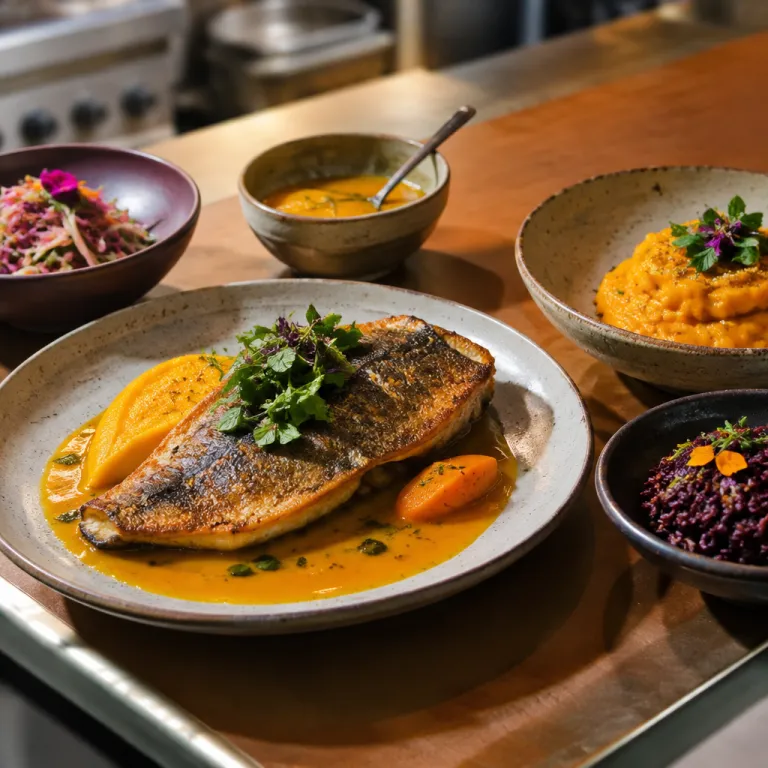
The rise of Amazonian cuisine in Brazilian hotel restaurants
Across Brazil, luxury hotel restaurants are quietly rewriting the rules of fine dining. The most ambitious Amazonian-focused hotel dining rooms now treat the Amazon pantry as their main narrative, not a themed detour on the menu. For guests, that means you can experience Amazon flavors in a polished restaurant hotel in a major city without ever boarding a regional flight into the Amazon rainforest.
In São Paulo and Rio de Janeiro, flagship hotels and independent lodge-style retreats are inviting a new generation of chef talent to cook with tucupi, jambu and tambaqui as confidently as with truffles or caviar. At the Emiliano in Rio de Janeiro, for instance, chef Camila Moura has built a tasting menu around pirarucu and Brazil nuts, while in São Paulo’s Hotel Unique visiting chefs from Manaus regularly showcase river fish and forest fruits. These teams see the Amazon rainforest not as an exotic backdrop but as a living larder, and they work with local ingredients from Amazon Brazil communities to build menus where every fish, nut and fruit is precisely sourced and clearly explained. The result is a wave of restaurants Brazil-wide that feel both unmistakably South American and deeply rooted in specific rivers, islands and forest clearings.
For travelers using mybrazilstay.com to compare hotels, this shift changes how you evaluate a property. The bar is no longer just about a signature caipirinha; the restaurant hotel must show how its kitchen offers a genuine Amazonian dining experience through thoughtful breakfast lunch service, tasting menus and relaxed lunch dinner formats. When a hotel positions its Amazon-inspired restaurant as the main cultural touchpoint, its logo, design and even room amenities often echo the same narrative, from açaí berry welcome drinks to passion fruit truffles served at turndown.
The Amazon pantry: tucupi, jambu and fish on the hotel menu
To understand the new Amazonian cuisine movement in Brazilian hotel restaurants, start with the pantry. Tucupi, the bright yellow juice extracted from wild manioc, appears in upscale restaurants as a delicate broth for grilled fish or as a sweet sour accent in sauces that feel both familiar and thrillingly new. Jambu, the mouth numbing herb that defines so much home cooking in Amazon Brazil, now arrives at hotel tables as a crisp salad leaf, a perfumed oil or even a subtle garnish in cocktails at the bar.
Tambáqui and pirarucu, two emblematic fish from the Amazon rainforest, are increasingly served in both fried stewed preparations and refined, slow-roasted versions that respect their firm texture. In Belém and Manaus hotels, you might find tambaqui ribs as the main course, while in South American capitals like São Paulo the same fish appears as a minimalist fillet with flavors local to the forest, such as Brazil nut farofa and cupuaçu purée. At Juma Ópera Hotel in Manaus, pirarucu is served with smoked tucupi and charred okra, a dish that has become a reference point for visiting food writers. These plates show how restaurants Brazil-wide can translate riverbank traditions into city dining without losing the soul of the original recipes.
Hotel chefs who take this pantry seriously often collaborate with community-run producers and riverine cooperatives, a topic explored in depth in our guide to community led Amazon lodges and hospitality. In Pará, for example, the Manioca collective supplies tucupi and jambu to several city hotels, while pirarucu from the Mamirauá Sustainable Development Reserve reaches restaurant kitchens through certified fisheries. When a lodge or urban hotel commits to traceable local ingredients, guests gain more than a good meal; they gain a clear sense of where each fish, fruit and nut was harvested. That transparency is becoming a quiet luxury marker, as important as thread count or room size for travelers who care about how their dining choices ripple back into the forest.
From Manaus to Rio: chefs carrying Amazon flavors across Brazil
The most exciting Amazonian cuisine stories in Brazilian hotels now unfold far from the river ports where these dishes were born. In Rio de Janeiro, high-floor hotel dining rooms with sweeping bay views are plating pirarucu with jambu beurre blanc, while downstairs the lobby bar shakes açaí berry and passion fruit into cocktails that feel both tropical and precise. São Paulo’s luxury hotels, long focused on Italian and Japanese menus, are commissioning tasting journeys that move from tucumã butter to Brazil nut praline in six tightly choreographed courses.
Many of these chefs trained in global capitals like Los Angeles or San Diego before returning to Brazil with a new respect for flavors local to the Amazon. Chef Felipe Schaedler, who consults for several hotel restaurants after years cooking in Manaus, describes his approach as “letting the river speak on the plate.” Others cite the influence of writers like Nicholas Gill, whose reporting on Amazon gastronomy has encouraged hotels to treat the forest as a serious culinary region rather than a curiosity. They bring back techniques from upscale restaurants abroad, then apply them to fried stewed river fish, mouth numbing jambu and sweet sour cupuaçu in ways that feel fresh rather than gimmicky. For solo guests, this means you can sit alone at a restaurant bar, order a concise tasting menu and still feel you experience Amazon depth without leaving the city.
If you are planning a refined trip focused on gastronomy, our detailed guide to planning a sophisticated journey into the Amazon rainforest pairs well with this culinary map. Combine a few nights in a remote lodge where tambaqui is grilled over open fire with a stay in a city hotel where the restaurant team reinterprets the same fish in a white-tablecloth setting. That contrast between rustic riverside dining and polished city restaurants across Brazil is where modern South American luxury quietly lives.
Ethical sourcing and how hotels work with Amazon communities
Behind every ambitious Amazonian cuisine project in a Brazilian hotel lies a sourcing question. When a hotel or lodge claims to work with Indigenous and ribeirinho producers, you should expect clear information on how fish, nuts and fruits travel from the Amazon rainforest to your plate. The most credible hotels publish sourcing maps, train staff to explain them and ensure that what is served in the dining room reflects long-term partnerships rather than one-off purchases.
For travelers, this is where luxury and responsibility intersect in a very practical way. A hotel that offers pirarucu from certified sustainable fisheries, Brazil nuts from community-managed forests and açaí berry from cooperatives is not just telling a good story; it is building a supply chain that keeps flavors local while supporting livelihoods. At Mirante do Gavião Lodge near Novo Airão, for example, menus highlight which community caught each fish and which cooperative processed the nuts. When you sit down for breakfast lunch and see tucumã, cupuaçu and passion fruit clearly labeled by origin, you are reading a quiet manifesto on how restaurants in Brazil can operate inside fragile ecosystems.
Our broader coverage of cultural hotspot tours and exceptional hotel stays in Brazil highlights properties where the restaurant hotel is the main bridge between guests and the forest. In these hotels, the bar might feature jambu-infused gin, while the logo subtly references river currents or Brazil nut shells, tying the visual identity back to Amazon Brazil landscapes. As you compare hotels, pay attention to how consistently this narrative appears from the menu language to the in-room welcome snacks and even to the stories your server shares at lunch dinner.
How to choose a hotel for an Amazonian dining immersion
Choosing the right Amazonian cuisine hotel restaurant in Brazil starts with reading menus as carefully as you read room descriptions. Look for a clear sense of place in the way fish, fruits and herbs are named, and check whether the hotel explains how dishes are served and sourced. A serious property will highlight tambaqui, pirarucu, tucupi and jambu as confidently as it lists room categories or spa treatments, and may reference specific cooperatives or protected areas in the Amazon rainforest.
Pay attention to how flexible the dining formats are across breakfast lunch and lunch dinner services. Some hotels keep Amazon flavors only on the main tasting menu, while others weave them into casual bar snacks, poolside grills and in-room dining, giving guests multiple ways to experience Amazon ingredients. If you travel solo, a counter seat at the restaurant bar can be the most relaxed way to taste mouth numbing jambu, sweet sour cupuaçu sauces and fried stewed river fish without committing to a long formal evening.
Finally, consider how the hotel positions its restaurant within the wider landscape of restaurants Brazil-wide. Properties that collaborate with external chefs, host guest shifts from Amazon rainforest lodges or partner with South American culinary festivals tend to keep their menus evolving. When you see names like Nicholas Gill referenced in reading lists or library selections, it signals a kitchen that treats Amazon gastronomy as an ongoing study rather than a passing trend, even if he is not directly involved with the restaurant itself.
Where to taste Amazon flavors: from forest lodges to city hotels
For travelers who want a full-spectrum Amazonian cuisine journey, combining forest and city stays works best. Start with a remote lodge deep in Amazon Brazil, where tambaqui might be grilled over wood and served with cassava flour while you listen to river sounds. There, the dining room is often open air, the bar is simple and the menu changes with whatever fish the community brings in that morning.
Then move to a major city hotel in Manaus, Belém, São Paulo or Rio de Janeiro, where upscale restaurants translate those same ingredients into multi-course experiences. In these restaurants across Brazil, you might find pirarucu confit with Brazil nut crumble, açaí berry reductions that go far beyond smoothie bowls and passion fruit sauces that balance sweet sour notes with elegant restraint. At Fasano Belo Horizonte, for example, the chef has served pirarucu with fermented tucupi and citrus, a dish that mirrors techniques used in Los Angeles and San Diego seafood restaurants while staying rooted in Amazon fish. The contrast between rustic lodge cooking and polished city dining helps guests understand how broad the experience Amazon can be when filtered through different hospitality lenses.
As you plan, remember that the best restaurant hotel teams think about Amazon flavors across the entire guest journey, not just at dinner. From jambu-spiked chocolates left in your room to logos inspired by river fish scales, every detail can echo the same story. When hotels treat the Amazon rainforest as both pantry and narrative, they offer something rare in South American luxury travel: a cuisine that feels inseparable from the landscapes and communities that created it.
FAQ: Amazonian cuisine in Brazilian hotel restaurants
Is Amazonian cuisine only available in northern Brazil hotels?
No, you can now find serious Amazon-inspired menus in hotels across Brazil, especially in São Paulo and Rio de Janeiro. Many city restaurants Brazil work with producers in the Amazon rainforest to bring fish, nuts and fruits south. This means you can experience Amazon flavors without flying to Manaus or Belém.
What ingredients should I look for on an Amazon focused hotel menu?
Key markers of a genuine Amazonian cuisine program in a hotel restaurant include tucupi, jambu, tambaqui, pirarucu, tucumã, cupuaçu and Brazil nuts. Desserts and drinks often feature açaí berry and passion fruit in more complex forms than simple bowls or juices. If these ingredients are clearly named and their origins explained, you are likely in good hands.
How can I tell if a hotel sources Amazon products responsibly?
Responsible hotels usually explain how their fish and produce are served and sourced, either on the menu or through trained staff. Look for mentions of certified fisheries, community cooperatives and long-term partnerships in Amazon Brazil regions. If information is vague, ask direct questions about suppliers, frequency of purchases and whether the hotel has visited the communities it buys from.
Are Amazon inspired hotel restaurants suitable for solo travelers?
Yes, many hotel restaurants with Amazon-focused menus are very welcoming to solo guests. Counter seating at the bar or chef’s counter allows you to order tasting portions and talk with the team about local ingredients. This setup turns dinner into both a meal and an informal masterclass on the Amazon rainforest pantry.
Do I need to stay at a lodge to experience authentic Amazon flavors?
Staying at a remote lodge offers unmatched proximity to river and forest ingredients, but it is not the only option. Urban hotels in major city hubs now collaborate with producers and sometimes with lodges to bring those flavors into polished dining rooms. Combining both styles in one trip gives the richest perspective on contemporary Amazon gastronomy and shows how chefs across Brazil interpret the same pantry in very different settings.