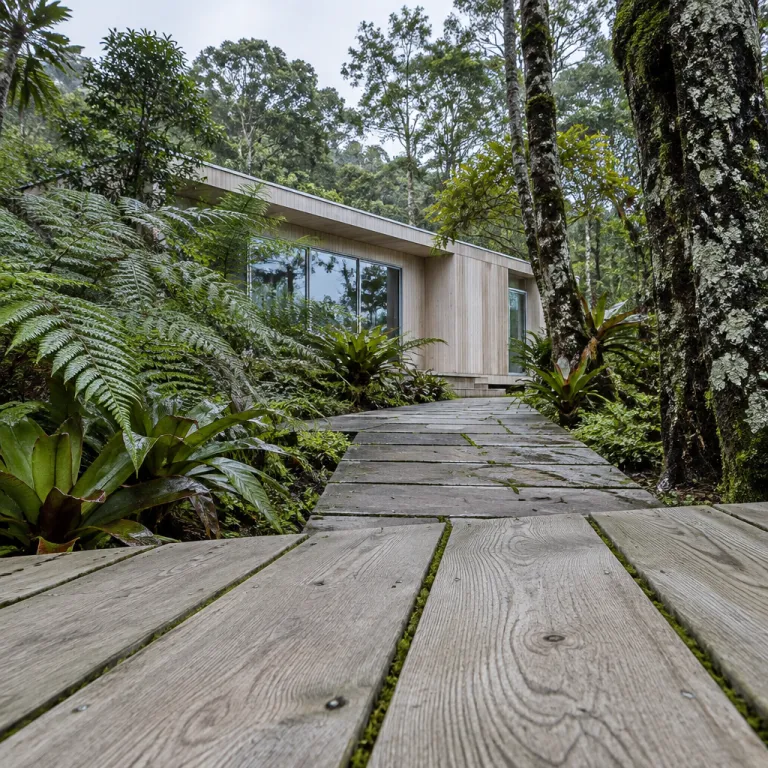
Why the Atlantic Forest is Brazil’s most underrated luxury escape
The atlantic forest eco lodge Brazil conversation usually starts with a surprise. While long haul visitors obsess over the amazon rainforest, the atlantic forest rises in steep green walls just beyond the beaches of Rio de Janeiro. This is the Mata Atlântica, a forest that once wrapped most of coastal Brazil and now survives in fragments that feel both fragile and intensely alive.
From central Rio Janeiro, you can reach serious rainforest in under two hours by car. That accessibility is the secret weapon of every eco lodge and every forest lodge tucked into these hills, because guests can pair a few urban hours Rio side with several quiet days listening to recorded bird calls echoing through real canopies. For solo travelers, this proximity means you can land in Brazil in the morning, be on lodge grounds by late afternoon and still feel safely close to the city.
The atlantic rainforest is not a consolation prize for those who skip the amazon ; it is a different biome with its own drama. Here, dense cloud forest climbs to more than 2 000 meters in the Serra dos Órgãos and Serra da Mantiqueira, and the air feels cooler, almost European, while still entirely south America. Scientists estimate that thousands of plant and animal species live only in this atlantic forest, which makes every eco stay here a front row seat to conservation in motion.
From Serra dos Órgãos to Paraty: where the lodges actually are
Look north from Rio’s Guanabara Bay and the jagged line of the Serra dos Órgãos national park marks your first atlantic forest playground. Around the park’s gateway towns, small forest lodges and at least one serious eco lodge operate as bases for guided tours, waterfall hikes and dawn bird watching. For travelers used to long transfers in Brazil, the fact that these lodges sit roughly ninety minutes from Rio Janeiro is quietly revolutionary.
Drive a little further into the highlands and you reach Nova Friburgo, where the climate cools and the atlantic rainforest wraps around old Swiss style chalets and newer brazil eco retreats. This is where a lodge perfect for solo explorers might offer just ten or twelve rooms, long communal tables and guided eco tours that introduce visitors to local communities maintaining small scale agriculture. Many of these lodges now position themselves as part of a sustainable tourism corridor that links Rio to the interior, mirroring the remote nature openings highlighted in many summer hotel openings features on Brazilian travel platforms.
South of the city, the road to Paraty threads between sea and forest, then climbs into the Serra da Bocaina, where atlantic forest eco lodge Brazil properties share ridgelines with small farms. Here, guests split their day between colonial streets by the bay and rainforest trails in the hills, often returning to lodges that serve produce grown within a few kilometres. The pattern repeats in the Serra da Mantiqueira, where forest lodges overlook valleys of mist and where sustainable lodges quietly rival more famous amazon retreats for atmosphere.
Lodge Itororó and the birdlife that rewrites your idea of Brazil
Ask serious birders where to stay near Rio and one name comes up fast ; lodge Itororó, often written as Lodge Itororo, in the hills above Nova Friburgo. This forest lodge sits within private atlantic forest, and the lodge grounds have recorded bird sightings that rival some amazon hotspots, despite being just a few hours Rio side by road. For a solo traveler, the scale feels intimate, with enough guests to share a table but not enough to drown out the sound of wings.
The owners position Itororo Eco Lodge as both a comfortable base and a conservation project, and the surrounding atlantic rainforest has yielded an impressive list of bird species over the years. Many visitors arrive with a target list of endemic species, then end up staying an extra day simply to sit on the deck and watch tanagers, toucans and hummingbirds cycle through the feeders. In this corner of Brazil, eco minded tourism has created a micro economy where local communities guide tours, maintain trails and share knowledge that once stayed within family farms.
Nearby, the related property often referred to as Reserva Ecológica dos Tucanos, or simply dos Tucanos, extends the same logic deeper into the forest. Here, atlantic forest eco lodge Brazil stays focus on longer tours, sometimes combining several lodges so visitors can compare different elevations and habitats in one trip. If you are building a wider remote nature itinerary, pairing these forest lodges with a high plateau stay such as those featured in a Chapada dos Veadeiros lodge guide lets you experience how Brazil’s biomes shift from rainforest to cerrado within a single journey.
Wildlife, conservation stakes and what low impact luxury really means
The atlantic forest holds an extraordinary concentration of species, from tiny orchids to elusive primates and brilliantly coloured bird species that rarely leave the canopy. Unlike in the amazon, where vast distances can separate you from wildlife, here the forest presses right against lodge grounds, so guests often see toucans, tanagers and sometimes marmosets before breakfast. That immediacy is thrilling, but it also underlines how little of this rainforest remains.
Scientists estimate that only a small fraction of the original atlantic rainforest still stands in continuous blocks, which makes every protected valley and every eco lodge corridor strategically important for conservation. When you choose an atlantic forest eco lodge Brazil stay that invests in habitat restoration, you are supporting sustainable tourism that pays landowners to keep trees standing rather than clearing them. Many lodges now work directly with local communities on reforestation projects, native tree nurseries and environmental education days for nearby schools.
Low impact luxury in this context means more than recycled paper and a token organic soap. It means limiting the number of visitors so trails do not erode, designing tours that respect nesting seasons and using part of each day rate to fund concrete conservation work. Some of the most credible brazil eco properties publish annual reports on water use, energy sources and recorded bird data, allowing guests to see how their stay contributes to measurable results rather than vague promises.
How to plan your Atlantic Forest stay around Rio or São Paulo
For many travelers, the smartest move is to treat the atlantic forest as the green half of a twin city and nature itinerary. Spend two or three nights in Rio Janeiro, then transfer to a forest lodge in the Serra dos Órgãos, Nova Friburgo highlands or Paraty hinterland for three or four days of rainforest immersion. The reverse also works ; arrive from a long haul flight, head straight to the hills for quiet nights, then finish with a city stay where you can trade hiking boots for a caipirinha at a neighbourhood bar.
When choosing between atlantic forest eco lodge Brazil options, look for properties that cap guest numbers, employ people from nearby local communities and offer guided tours that explain both ecology and culture. A lodge perfect for solo explorers will usually include shared tables, small group walks and flexible day plans that let you join a birding outing one morning and a waterfall swim the next. If you are building a broader brazil eco circuit, you can connect these forest lodges with other low impact destinations such as the crystal river retreats highlighted in a Bonito eco lodge guide, creating a route that never feels repetitive.
Transport logistics are refreshingly simple compared with deeper amazon trips. Many lodges arrange private transfers from Rio’s airports, and the drive to most Serra dos or Paraty area properties rarely exceeds three or four hours, depending on traffic and road conditions. That means you can land, clear immigration, and still reach your rainforest room before dark, with enough time left in the day to hear the first evening chorus of frogs and recorded bird calls drifting through the trees.
Reading a lodge’s ethics: questions to ask before you book
Not every property using the words eco lodge or sustainable tourism delivers the same level of commitment. Before you book any atlantic forest eco lodge Brazil stay, read beyond the marketing copy and look for specific conservation projects, clear data on energy sources and transparent partnerships with local communities. A serious forest lodge will usually name the organisations it works with, explain how many hectares of atlantic rainforest it protects and describe how it monitors wildlife such as key bird species.
Ask how many guests the lodge hosts at full capacity and how it manages waste, water and greywater in a humid rainforest environment. Properties that take sustainability seriously often limit visitors, invest in proper treatment systems and design tours that minimise disturbance to sensitive species, especially during nesting or flowering seasons. Some lodges also share recorded bird lists and mammal sightings with national park authorities, turning casual tourism into useful data for conservation planning across this part of south America.
Finally, consider how your stay fits into a wider pattern of tourism in Brazil. Choosing atlantic forest lodges over long haul internal flights to the amazon can significantly reduce your trip’s carbon footprint, especially when you combine city and forest within the same region. When a lodge offers clear evidence of its impact, pays fair wages and treats the surrounding forest as its main asset rather than a backdrop, you are not just booking a room ; you are voting for the version of Brazil you want future visitors to experience.
FAQ: Atlantic Forest lodges near Rio
How far are Atlantic Forest lodges from central Rio de Janeiro ?
Most serious atlantic forest eco lodge Brazil options near Rio sit between 60 and 180 kilometres from the city. Properties in the Serra dos Órgãos and around Nova Friburgo usually require a drive of 1,5 to 3 hours, depending on traffic and road conditions. Lodges in the Paraty and Serra da Bocaina region can take closer to 4 hours, but still pair comfortably with a short city stay.
Is the Atlantic Forest as biodiverse as the Amazon rainforest ?
The atlantic rainforest is smaller than the amazon but holds an exceptionally high number of endemic species, especially plants, amphibians and bird species. Many scientists consider it one of the most threatened biodiversity hotspots in south America because only a small fraction of the original forest remains. For travelers, that means a compact area where you can see a remarkable variety of wildlife within a few days.
What wildlife can I realistically expect to see around the lodges ?
On most atlantic forest lodge grounds, guests regularly see toucans, tanagers, hummingbirds and small primates such as marmosets. With guided tours at dawn or dusk, you increase your chances of spotting more elusive species, including forest dwelling antbirds and, in some areas, larger mammals like coatis. Many lodges keep updated recorded bird lists so visitors can track what has been seen in recent weeks.
How many days should I spend in an Atlantic Forest eco lodge ?
A minimum of three nights allows you to settle into the rhythm of the forest and join several different tours. Many solo travelers choose four or five days to balance bird watching, hiking and simple downtime on the veranda. If you are pairing the lodge with Rio Janeiro or São Paulo, a week split between city and rainforest works particularly well.
What makes a lodge genuinely sustainable in the Atlantic Forest ?
A genuinely sustainable lodge in the atlantic forest will limit guest numbers, use renewable energy where possible and manage water and waste carefully in the rainforest context. It will employ people from nearby local communities, support concrete conservation projects and share transparent information about its environmental impact. When a property treats the surrounding forest as its primary asset and invests in its long term health, your stay contributes directly to protecting this threatened biome.