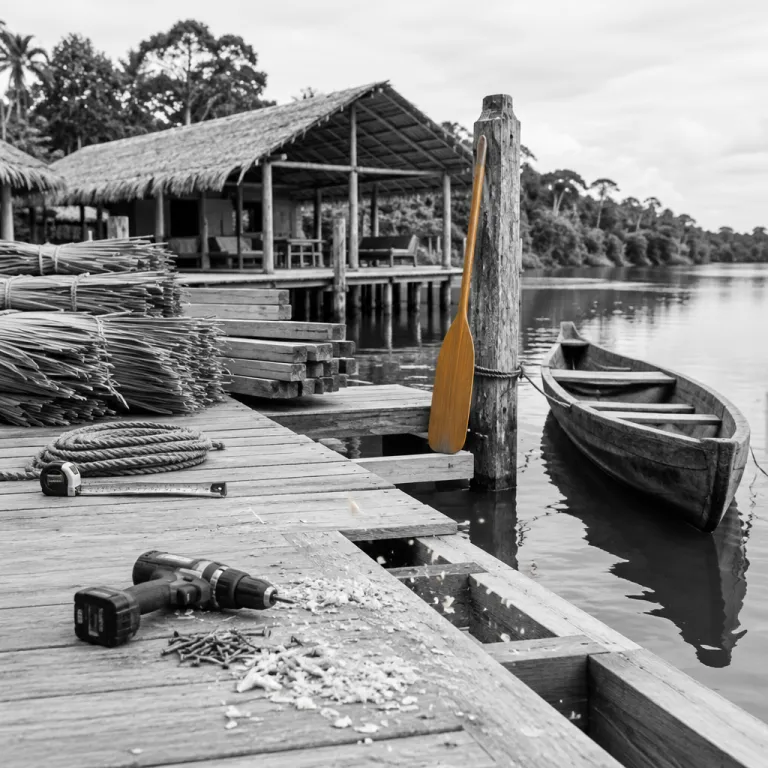
From sustainable slogan to community led lodge Amazon Brazil reality
Luxury travel in the Brazilian Amazon is shifting from distant ownership to a genuinely community led lodge Amazon Brazil model. High end guests now seek a lodge where Indigenous or riverside communities share decisions, shape the guest experience, and benefit directly from every season of bookings. This is changing what a premium jungle lodge feels like, from the first day on the river to the last night under the forest canopy.
Across the Brazilian Amazon, three main models are emerging for a truly community led lodge Amazon Brazil stay. Some properties are fully community owned lodges, others are joint ventures where an outside operator manages reservations while local associations hold equity, and a third group relies on long term benefit sharing agreements tied to each tour and each room night. For travelers comparing one lodge Brazil option with another, understanding these structures is as important as choosing the right park, trail, or river season.
In the Amazon rainforest, ownership is not an abstract legal detail but a daily lived experience. When a lodge is co managed with a Mamirauá Reserve community or a quilombola association, decisions about boat tours, forest trails, and wildlife viewing are made by people whose grandparents named each curve of the Rio Negro. As one community leader in Mamirauá explains, “if tourism is in our territory, we must decide how it happens and who it protects.” That is the real difference between a generic Amazon lodge and a community led lodge Amazon Brazil project where hospitality, conservation, and cultural continuity are inseparable.
Where community run hospitality is taking root in the Brazilian Amazon
The most advanced examples of community participation sit in and around protected areas such as the Mamirauá Sustainable Development Reserve and Anavilhanas National Park. In these corners of the Brazilian Amazon, the flooded forest dictates every season, every day Amazon excursion, and every river based tour. Lodges that respect this rhythm, and the communities who live with it, are redefining what premium means in the jungle.
Uakari Lodge, inside the Mamirauá Reserve near Tefé, is often cited as a benchmark for a community linked jungle lodge in Brazil. According to the Mamirauá Institute for Sustainable Development, around 80% of lodge staff come from nearby communities and community associations receive a share of profits from each guest stay, with annual reports detailing how funds support projects such as school transport and community radios. For travelers, staying at Uakari Lodge means that every guided trail, every wildlife sighting, and every quiet day on the deck is part of a broader conservation and income strategy designed with residents.
Farther north, the labyrinth of islands in the Anavilhanas archipelago has inspired several lodge Amazon projects along the Rio Negro. Around Anavilhanas National Park, community members increasingly lead birdwatching tours, forest walks, and cultural evenings that turn a standard Amazon jungle stay into a deeper experience. A typical benefit sharing contract might earmark a fixed fee per guest night for a community fund, plus separate payments for each locally guided tour. If you want to understand how climate and river levels shape luxury itineraries, read about how Brazil’s climate regions influence Amazon getaways and premium city stays on this detailed climate and luxury planning guide before fixing your dates.
Manaus gateways, premium lodges and the question of who benefits
Manaus remains the main aviation gateway for most Amazon jungle trips, and its riverfront is the departure point for many day tours and multi night cruises. From here, travelers choose between a classic jungle lodge, a more remote lodge Amazon experience, or a community led lodge Amazon Brazil stay that requires a longer boat transfer but offers richer engagement. The decision is less about comfort levels and more about who controls the narrative, the income, and the future of the surrounding forest.
Properties such as Mirante do Gavião and its sister project Gavião Lodge on the Rio Negro illustrate how premium design can coexist with strong local partnerships. These hotels work with nearby communities for guiding, boat operations, and sourcing, so each tour and each day Amazon outing channels money into riverside economies. In some cases, formal agreements specify minimum percentages of local hiring and guarantee that a portion of revenue from excursions flows into community associations. When evaluating any Amazon lodge near Manaus, ask how many staff come from local communities, how tours are contracted, and whether there is a formal agreement with residents or the national park authority.
Some travelers pair a stay in the Brazilian Amazon with coastal or colonial extensions, moving from a jungle lodge to a heritage hotel in places like Paraty. For a sense of how refined coastal stays can complement a forest based trip, explore this guide to refined hotels in Paraty, Brazil and imagine the contrast between cobbled streets and flooded forest channels. To understand what each Amazon gateway city delivers, from Manaus to Belém, and how they connect to community led lodge Amazon Brazil options, consult the overview of Amazon luxury stays by gateway when planning your route.
What solo explorers gain from community led Amazon stays
For a solo traveler, a community led lodge Amazon Brazil stay offers a rare mix of safety, intimacy, and access that large hotels cannot match. You are not just booking a premium room in a remote hotel; you are entering a social fabric where your guide’s family may live along the same trail you walk at dusk. That proximity turns each day tour into a layered experience, where stories about fauna flora, fishing, and forest spirits sit alongside scientific explanations of the Amazon rainforest.
On a well run community lodge Brazil project, guides are trained to interpret both flora fauna and local history, shifting easily between Portuguese and English as they explain how the dry season shapes river levels and wildlife patterns. A morning canoe outing through flooded forest channels might be followed by an afternoon visit to a community center, where you see how tourism revenue funds schooling or healthcare. One solo guest in Anavilhanas described an evening spent helping prepare cassava flour with a host family as “the moment the map turned into real people.” This is where the abstract idea of responsible travel becomes tangible, and where a solo trip gains emotional depth beyond wildlife checklists.
Many travelers compare the Amazon with the Pantanal, another iconic Brazilian biome where community involvement is growing around ranches and wetlands. The Pantanal excels for open landscape wildlife viewing, while the Brazilian Amazon offers a more immersive jungle experience with dense forest, complex river systems, and culturally rich tours. Choosing between them, or combining both in one trip, depends on whether you want long boat days in the jungle, horseback rides in open wetlands, or a sequence that moves from Uakari sightings in Mamirauá to jaguar focused tours on Pantanal ranches.
How to read between the lines and avoid greenwashing
Marketing language around any lodge Amazon project can be seductive, especially when words like sustainable, eco, and community appear in every paragraph. To identify a genuinely community led lodge Amazon Brazil operation, start by asking who owns the land, who holds the operating license, and how revenue is shared with residents. If answers are vague, or if staff cannot explain the agreement with the national park or reserve authority, you are likely looking at a top down hotel with a thin layer of green branding.
Serious projects in the Brazilian Amazon, whether near Anavilhanas National Park, the Mamirauá Reserve, or the fringes of other protected areas, will share clear numbers about local employment and benefit sharing. They can tell you how many guides come from nearby communities, how many tours are led by Indigenous experts, and how decisions about new trails or day Amazon excursions are made collectively. Some will publish annual impact reports that specify the percentage of gross revenue directed to community funds, scholarships, or health posts. They will also be transparent about limits, such as why certain forest areas remain off limits to protect sensitive fauna flora or sacred sites.
When comparing options like Juma Lodge, Uakari Lodge, Mirante do Gavião, or other Amazon lodge names you encounter, look beyond design and amenities. Ask whether the jungle lodge has a formal partnership with a community association, whether guests are invited to learn about governance, and how your trip contributes to long term conservation of the Amazon jungle. Over time, travelers who consistently choose these models help ensure that the question whose forest, whose future is answered with a clear, community centered voice.
FAQ
How is a community led lodge in the Amazon different from a standard jungle hotel ?
A community led lodge in the Amazon is structured so that local Indigenous or riverside communities share decision making power, employment, and revenue from every guest stay. In a standard jungle hotel, communities may provide labor or cultural shows but rarely hold equity or formal governance roles. The community model means your trip directly supports conservation, cultural continuity, and long term livelihoods in the surrounding forest.
When is the best season to visit a community run lodge in the Brazilian Amazon ?
The best season depends on whether you prefer high water or dry season conditions. During high water months, flooded forest channels are ideal for canoe tours and wildlife viewing from boats, while in the dry season more forest trails open for walking and some beaches appear along the Rio Negro. Community run lodges will explain how each season shapes activities so you can match your expectations to river levels and weather.
Is it safe for solo travelers to stay at a community led lodge Amazon Brazil property ?
Reputable community led lodges in the Brazilian Amazon maintain strict safety protocols for boat transfers, forest walks, and night tours. Solo travelers usually stay in private rooms within small scale properties where staff know every guest by name and guides accompany all excursions. Choosing a lodge with clear communication, licensed boats, and experienced local guides is the key to a safe and rewarding solo trip.
How can I verify that a lodge truly benefits local communities and is not greenwashing ?
Before booking, ask the lodge to describe its ownership structure, community partnerships, and revenue sharing mechanisms in concrete terms. Genuine projects can provide details about how many staff come from nearby communities, how decisions about new tours or trails are made, and what percentage of income supports local initiatives. If the answers remain generic or focus only on recycling and solar panels, the operation is likely more marketing driven than community led.
Should I combine the Amazon with the Pantanal on one luxury trip to Brazil ?
Combining the Amazon and the Pantanal on one itinerary offers two complementary wildlife and landscape experiences. The Pantanal is better for open wetland sightings of species like jaguar and giant otter, while the Brazilian Amazon delivers dense forest immersion, river based life, and stronger opportunities for community interaction. If time and budget allow, pairing a community led lodge Amazon Brazil stay with a premium Pantanal ranch creates a rich overview of Brazil’s most iconic ecosystems.