Colonial town pousadas in Brazil: why Tiradentes leads the way
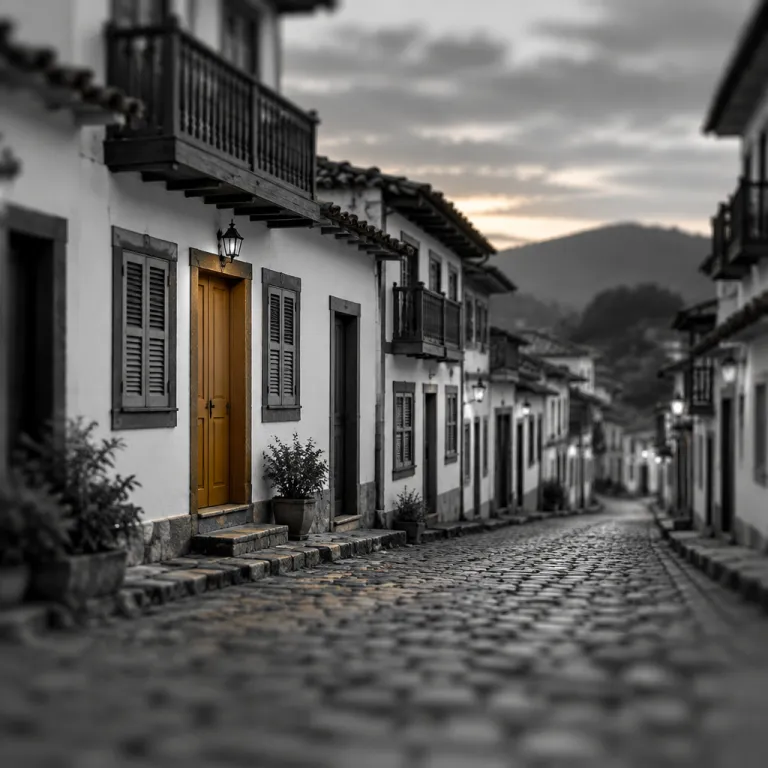
In the soft evening light, the colonial town pousadas in Brazil’s Tiradentes feel almost theatrical. This small town in Minas Gerais pairs cobblestones and candlelit churches with quietly luxurious accommodations that work beautifully for premium families. You arrive as curious guests and, by the second night, the rhythm of the Tiradentes streets already feels like a private stage.
Tiradentes is part of the old gold route in Minas, and the historic center still concentrates whitewashed houses, baroque churches and a slow, walkable city pace. Many a refined hotel in Tiradentes or intimate pousada in town occupies an 18th century townhouse, with thick walls, creaking floorboards and a courtyard where children can play safely. For families choosing between hotels in Tiradentes, the key is location; staying close to the historic center keeps little legs happy and evenings short.
The phrase colonial town pousadas in Brazil’s Tiradentes captures a specific promise: heritage architecture, attentive service and a sense of being in a living museum rather than a resort bubble. A good Tiradentes pousada will balance period details with modern comforts, offering spacious rooms, strong showers and reliable Wi-Fi for multi generational trips. When you book a Tiradentes hotel through a curated platform, you are not only choosing a bed for the night, you are buying into a story shaped by Minas Gerais gold, baroque art and contemporary Brazilian hospitality.
Within Minas Gerais, Tiradentes, located at the foot of the Serra de São José, stands out for its compact scale and polished gastronomy scene. The surrounding hills of the serra frame the town, and families can combine a day on the historic steam train with an afternoon by the pousada pool. Many guests pair Tiradentes with nearby São João del Rei, using a refined hotel in one town and a characterful pousada in the other to sample both sides of the region.
Inside a colonial pousada: courtyards, candlelight and deep quiet
Step through the heavy wooden door of a well restored pousada in Tiradentes and the city noise falls away. You move from cobblestones into a shaded courtyard, where stone fountains, fruit trees and hammocks create a buffer between the historic center and your family’s private world. This is where colonial style pousadas in Tiradentes excel: they turn former merchant houses into layered, intimate accommodations that still feel residential.
Rooms in a classic Tiradentes pousada usually open onto verandas or internal gardens rather than the street. Thick adobe walls keep the temperature stable at night, while polished wooden beams and antique chests remind guests that this was once a working Minas Gerais home. For parents, that deep quiet is a luxury; children sleep early after a long day exploring churches, and adults can enjoy a glass of Minas wine under the stars.
Many of the best hotels in Tiradentes offer only a handful of rooms, which means staff quickly learn your family’s rhythm. A good Tiradentes hotel team will time housekeeping around nap schedules, suggest child friendly walking routes through the cobbled lanes and secure early dinner reservations at São José square restaurants. When you choose a Tiradentes hotel with this scale, you trade anonymous efficiency for a slower, more attentive style of service that suits premium family travel.
Breakfast becomes another quiet ritual in these pousadas, often served in former dining rooms with stone floors and low ceilings. Expect regional breads, local cheeses from Minas, seasonal fruit and cakes that feel more homemade than hotel buffet. For a deeper dive into how these spreads reflect regional culture across Brazil, our guide to the Brazilian hotel breakfast table as cultural artefact unpacks why mornings in a pousada can be as memorable as any museum visit.
The heritage route: from Tiradentes to Ouro Preto, Paraty and beyond
Using Tiradentes as your anchor, you can build a heritage circuit that threads through some of Brazil’s most atmospheric colonial towns. The classic inland route links Tiradentes with São João del Rei, Ouro Preto and Mariana, tracing the arc of gold cycle wealth across Minas Gerais. Families who prefer coastal light can then swing down to Paraty, where cobblestones meet the bay and colonial façades face the sea.
In Minas, São João del Rei offers a more lived in city feel than Tiradentes, with working churches and a stronger local commerce scene. The historic train between São João del Rei and Tiradentes usually runs from Friday to Sunday, turning a transfer into an experience as the locomotive climbs gently through the serra landscape. Ouro Preto, by contrast, is steeper and denser, better suited to older children who can handle hills and longer church visits.
On the coast, Paraty’s historic center is a car free grid of white houses, blue doors and uneven stones that flood at high tide. Here, the colonial pousada model you find in Tiradentes is reinterpreted with sea breezes and boat trips, but the formula remains: small scale hotels, leafy courtyards and a focus on slow evenings. Many guests split their nights between a pousada in the old town and a hotel on the nearby beaches, balancing heritage with downtime.
Planning this circuit requires attention to distances and seasons, especially for premium families who value comfort. Our guide on the best time to book luxury hotels in Brazil helps you align school holidays with milder weather in Minas Gerais and quieter weeks on the coast. With thoughtful pacing, two or three towns over ten days give children enough variety without constant packing and unpacking.
Olinda, São Luís and the northern light on colonial Brazil
While Minas Gerais holds the densest cluster of baroque churches, the northeast adds color, music and Atlantic light to the colonial pousada story. Olinda, just north of Recife, climbs a hill of tiled houses and convents that look straight onto the sea, and its pousadas often occupy former mansions with sweeping verandas. Families who already know the Tiradentes pousada style will find Olinda’s energy looser, with more street life and a stronger link to contemporary art.
In Olinda’s historic center, staying in a small hotel or pousada means waking to church bells and the sound of vendors on the cobbles. Children can walk short distances between viewpoints, ateliers and cafés, then retreat to the pool or shaded garden of their accommodations when the sun peaks. At night, the town’s bars and music venues hum, but many properties sit on quieter streets where guests can sleep early.
Farther north, São Luís in Maranhão offers a different colonial texture, with azulejo tiled façades and a grid that faces the bay. Here, the best hotels and pousadas occupy restored townhouses in the historic center, often with internal patios that echo the courtyards of a Tiradentes pousada but with a tropical, maritime twist. For families, São Luís works well as a cultural stop before or after the Lençóis Maranhenses dunes, adding depth to a primarily nature focused itinerary.
Combining Tiradentes with Olinda and São Luís creates a cross country narrative of how gold, sugar and trade shaped Brazil. You move from the baroque density of Minas Gerais to the coastal light of Pernambuco and Maranhão, always using characterful hotels as your base. This kind of route suits premium families who want their children to feel history not only in museums, but in the very houses where they sleep each night.
Choosing the right pousada in Tiradentes for premium families
When you narrow your search to colonial town pousadas in Tiradentes, the challenge shifts from whether to go to which key details matter. For premium families, the first filter is location; staying within a short walk of the historic center reduces reliance on cars and keeps evenings relaxed. Look for a Tiradentes hotel or pousada that sits on a quieter side street, close enough to São José fountain and the main churches, but not directly on the busiest restaurant lanes.
Room configuration comes next, especially if you are traveling with younger children or grandparents. Many hotels in Tiradentes occupy historic houses, so not every property can offer interconnecting rooms or lifts, and staircases can be steep. When you book, ask clearly about floor levels, crib availability and whether the pousada can guarantee adjacent rooms for your group.
Some properties in Tiradentes highlight specific features that appeal to families, such as heated pools, small gardens or play corners stocked with board games. Others lean into gastronomy, offering tasting menus that showcase Minas Gerais cheeses and regional dishes, while still keeping a simple children’s menu on hand. If your family values food as much as architecture, consider pairing Tiradentes with a night in Rio de Janeiro at a refined airport side base like the Prodigy Santos Dumont, which we review in depth in our guide to a refined gateway to Rio.
Finally, pay attention to how each hotel or pousada communicates before you arrive. Responsive teams who answer questions about transfers, restaurant bookings and child friendly activities usually deliver the same care on site. In a town where nights are lit by candles and church façades, that level of service turns a beautiful setting into a genuinely restorative family stay.
FAQ
Is Tiradentes a good base for a family exploring colonial Brazil ?
Tiradentes works very well for families because the historic center is compact, largely walkable and filled with small squares where children can pause. Many pousadas offer gardens or courtyards, giving younger guests safe outdoor space between sightseeing. From Tiradentes, you can easily add day trips to São João del Rei or short drives to other Minas Gerais towns.
How many nights should we spend in Tiradentes on a heritage route ?
For most premium families, two to three nights in Tiradentes strike a good balance between rest and exploration. That allows one full day in the historic center and another for the train to São João del Rei or a countryside excursion. If you are combining several colonial towns, keep total hotel changes to three or four per trip to avoid travel fatigue.
Are colonial pousadas suitable for young children and strollers ?
Many colonial houses have uneven floors, steps and narrow staircases, which can be challenging with strollers. When booking, ask specifically about ground floor rooms, railings and whether staff can help carry strollers up short flights. Families with toddlers often find baby carriers more practical than strollers in cobblestoned historic centers.
What is the best way to reach Tiradentes from major Brazilian cities ?
Most travelers fly into Belo Horizonte or Rio de Janeiro, then continue by private transfer or rental car to Tiradentes. The drive from Belo Horizonte takes roughly three to four hours, while the route from Rio is longer but scenic through the mountains. For families, a pre arranged transfer with child seats usually offers the most comfortable and efficient option.
Can we combine Tiradentes with beach destinations in one itinerary ?
Yes, many travelers pair Minas Gerais colonial towns with coastal stays in Paraty, Rio de Janeiro or the northeast. A typical route might include Tiradentes and Ouro Preto, followed by a flight to Rio and then a drive to Paraty or a short hop to Recife for Olinda. This mix of mountains, baroque cities and beaches keeps children engaged and gives adults a varied, well paced trip.