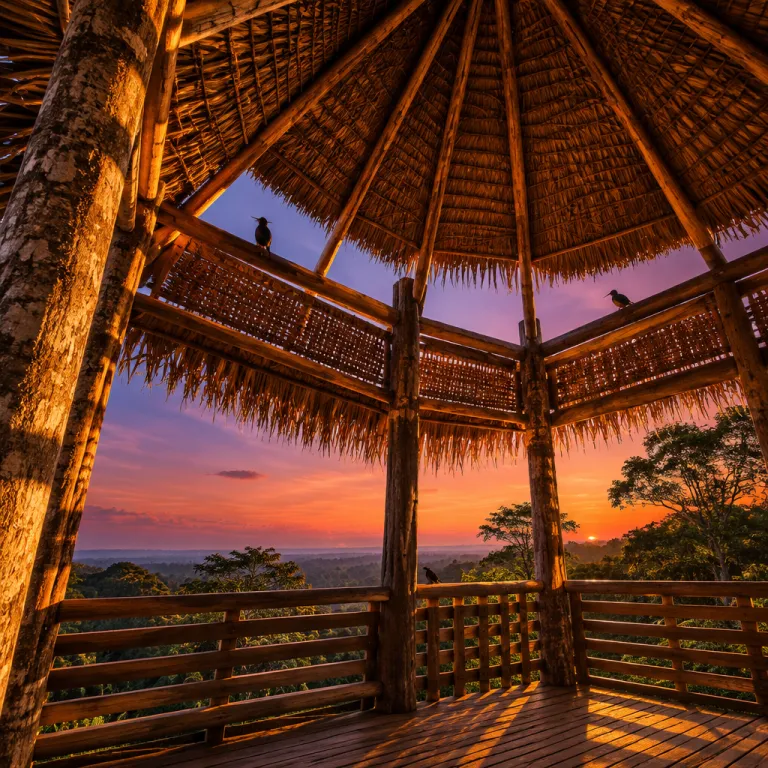
The meaning of a birdwatching lodge in Brazil
A serious birdwatching lodge in Brazil is built around first light. The entire experience is designed so that you can step from your room to the forest edge in minutes, guided by people who know every call and every tailed silhouette crossing the canopy. For many travelers this is their first real immersion in such spectacular wildlife, so the best lodges balance expert birding with comfort that still feels like a holiday.
Across Brazil, a dedicated lodge will usually offer pre dawn coffee, a printed checklist of local bird species and small groups led by bilingual guides. You might read that Brazil holds 1,867 confirmed bird species and 242 endemics, but it only becomes real when a guide quietly points out a pair of hyacinth macaws above your breakfast table. Between outings, shaded decks, hammocks and slow lunches turn the intensity of birding into a gentler experience that even a non specialist family can enjoy.
What separates a true birding lodge from a generic property is access. Purpose built trails, canopy towers, photographic hides and private river docks place you inside the wildlife rather than on the sidelines, which is why these places stay full in the best time of year for each region. Many operate as an eco lodge model, where your stay directly funds rangers, research on threatened bird species and the protection of surrounding forest. For a solo traveler, that mix of conservation, comfort and shared passion is often the best birding introduction on the continent.
Amazon rainforest lodges and the Brazilian Amazon frontier
The Brazilian Amazon is where the idea of a birdwatching lodge in Brazil becomes almost mythic. Here the forest feels endless, the river is the road and the list of possible birds runs longer than most field guides. Staying in a dedicated lodge in the Brazilian Amazon means waking to a wall of sound, then gliding by canoe through mist while macaws, toucans and cotingas cross the sky in slow, spectacular arcs.
One of the best known properties for serious birding is Cristalino Lodge, in the southern Amazon rainforest near Alta Floresta. Cristalino Lodge combines polished service with two soaring canopy towers, where you can watch dozens of bird species at eye level as the sun lifts over the forest. This is often cited as one of the best places in South America to see mixed flocks of tanagers, woodcreepers and manakins moving like a single, diverse organism through the treetops.
Further east, smaller eco lodge projects along blackwater tributaries offer a quieter, more intimate experience of the Brazilian Amazon. Many of these lodges operate their own private reserves, functioning almost like miniature national parks with strict limits on guest numbers and boat traffic. If you are planning a wider wildlife safari that links the Amazon with the Pantanal, read a detailed guide such as the dry season Pantanal lodge overview on where jaguars come to you in the dry season to understand how river levels and the best time for each region fit together.
Atlantic Forest, Rio–São Paulo and the art of accessible birding
For many travelers, the most practical birdwatching lodge in Brazil lies not in the deep Amazon but in the Atlantic Forest between Rio de Janeiro and São Paulo. This coastal belt, once vast and now fragmented, still shelters a dense concentration of endemic birds in pockets of atlantic rainforest. Here, a short drive from an international airport, you can move from city terrace to forest veranda in half a day.
Near Rio de Janeiro, Lodge Itororó has become a reference point for accessible birding in the atlantic forest. The lodge sits in cool hill country, with feeders that attract brilliantly colored tanagers and toucans, while forest trails reveal more secretive bird species for those willing to walk slowly. For a solo explorer, this is an easy first step into Brazilian wildlife, with clear guidance, flexible day trips and the option to combine birding with cultural time in Rio de Janeiro itself.
Travelers routing through São Paulo can pair a stay in the city with a few nights in nearby atlantic rainforest reserves, turning a business trip into a compact wildlife safari. If you are curious about extending the journey inland, the curated Minas Gerais lodging guide on where to stay in Minas Gerais shows how colonial towns and contemporary art hubs can sit on the same itinerary as quiet forest lodges. On the northern edge of this coastal belt, flying via Belém opens another set of options, and the city’s role as a culinary capital is explored in depth in the feature on the culinary capital you have not booked yet.
Pantanal, cerrado and the great south American birding circuit
While the Amazon holds the legend, the Pantanal often delivers the clearest views, making it central to any birdwatching lodge circuit in Brazil. This vast wetland in the south of the country is open, bright and full of visible wildlife, from jabiru storks to capybaras and, with luck, jaguars on the riverbanks. Many travelers describe their first Pantanal boat safari as the moment birding stops being abstract and becomes a visceral experience.
Lodges in the northern Pantanal, reached from Cuiabá, line the Transpantaneira road and offer a mix of boat trips, forest walks and night drives. These properties are among the best places in South America to see hyacinth macaws at close range, often nesting in palms near the lodge gardens. Because the landscape is open, even a non specialist can appreciate the sheer number of birds, from herons and kingfishers to long tailed flycatchers perched over the water.
To the east, the cerrado plateaus of Chapada dos Guimarães and Chapada dos Veadeiros add another layer to a south American birding journey. Here, dry grasslands, cliffs and gallery forests host a different suite of bird species, including many that link ecologically to both the Amazon and the Atlantic Forest. When you read about the best birding routes on the planet, this combination of Pantanal wetland, cerrado plateau and coastal forest is often highlighted as one of the best time efficient wildlife itineraries anywhere in Latin America.
How to choose your lodge, season and style of experience
Choosing the right birdwatching lodge in Brazil starts with being honest about how you like to travel. Some eco lodge properties lean toward hard core birding, with long days, detailed checklists and guests who talk in Latin names over dinner. Others keep the focus on broader wildlife, shorter outings and flexible schedules that suit a mixed interest family or a solo traveler who wants time to read by the pool between walks.
Seasonality matters, and the best time varies by region rather than by a single national rule. In the Pantanal, the dry months concentrate wildlife along shrinking water channels, making it easier to see both mammals and birds from boats and raised decks. In the Amazon rainforest, water levels shape access to different habitats, so a higher river might mean more canoe based birding among flooded forests, while lower water exposes sandbars that attract different bird species.
Along the Atlantic Forest belt near Rio de Janeiro and São Paulo, cooler months can bring clearer skies and more comfortable walking temperatures, which many guests consider the best time for long days on the trail. When comparing places to stay, look for lodges that publish transparent wildlife records, invest in local guides and operate with clear conservation commitments. On a global scale, Brazil now sits alongside Costa Rica and South Africa as one of the best birding destinations on the planet, and the lodges that thrive are those that treat that status as a responsibility rather than a marketing line.
Conservation, ethics and the wider world of birding travel
Every night spent in a serious birdwatching lodge in Brazil has a ripple effect far beyond your own experience. Many properties sit beside or inside national parks and other protected areas, acting as informal buffer zones that discourage illegal logging and hunting. When a lodge employs local staff, trains guides and supports research, it turns birding tourism into a practical conservation tool rather than a passive activity.
Brazil does not exist in isolation, of course, and many travelers compare its lodges with those in Costa Rica, South Africa or other parts of Latin America and Africa. The best Brazilian eco lodge projects now match or exceed their peers abroad in guiding standards, comfort and the depth of wildlife interpretation. For a solo explorer used to classic African safari camps, the rhythm here feels different, more forest than savanna, but the sense of immersion in wildlife is just as strong.
Across the country, from Cristalino Lodge in the Brazilian Amazon to Lodge Itororó in the Atlantic Forest, the most respected properties share a few traits. They keep group sizes small, they respect distance to nesting birds and they treat every guest, whether expert or beginner, as a potential ally for conservation. As you read this article and imagine your own route through south America, remember that choosing carefully among the best places to stay is one of the simplest ways to ensure these spectacular, diverse landscapes remain full of birds for the next person looking up.
FAQ
What is a birdwatching lodge in Brazil and how is it different from a regular hotel ?
A birdwatching lodge in Brazil is a property designed around access to wildlife, especially birds, rather than around urban convenience. These lodges usually offer guided walks, canopy towers, photographic hides and early morning outings tailored to seeing a wide range of bird species. Regular hotels may sit in good locations but rarely provide the specialist guides, checklists and flexible schedules that serious birding requires.
Where is the best place in Brazil for a first time birding trip ?
For a first visit, the Pantanal and the Atlantic Forest near Rio de Janeiro are often the most rewarding regions. The Pantanal offers open landscapes and very visible wildlife, which helps beginners quickly build confidence in spotting and identifying birds. The Atlantic Forest lodges near Rio de Janeiro and São Paulo combine easy access, comfortable infrastructure and a high concentration of colorful, endemic bird species.
When is the best time of year to stay at a birdwatching lodge in Brazil ?
The best time depends on the region and on your priorities. In the Pantanal, the dry season concentrates wildlife along rivers and lagoons, making boat based viewing especially productive. In the Amazon and Atlantic Forest, transitional months with less rain often provide a good balance of active birds, comfortable temperatures and reliable trail conditions.
Can non birders enjoy staying at a bird focused lodge ?
Yes, many bird focused lodges in Brazil are designed to be enjoyable even if you are not a specialist. They often offer broader wildlife viewing, river trips, cultural visits and time to relax between shorter guided walks. Choosing a property that emphasizes flexible activities and comfort will keep both dedicated birders and casual nature lovers happy.
How does staying at a birdwatching lodge support conservation in Brazil ?
Staying at a reputable birdwatching lodge channels money directly into protected areas, local employment and long term habitat protection. Many lodges fund research projects, maintain private reserves that function like small national parks and work with nearby communities on sustainable livelihoods. By choosing these properties over generic options, you help create a financial incentive to keep forests standing and wildlife populations healthy.