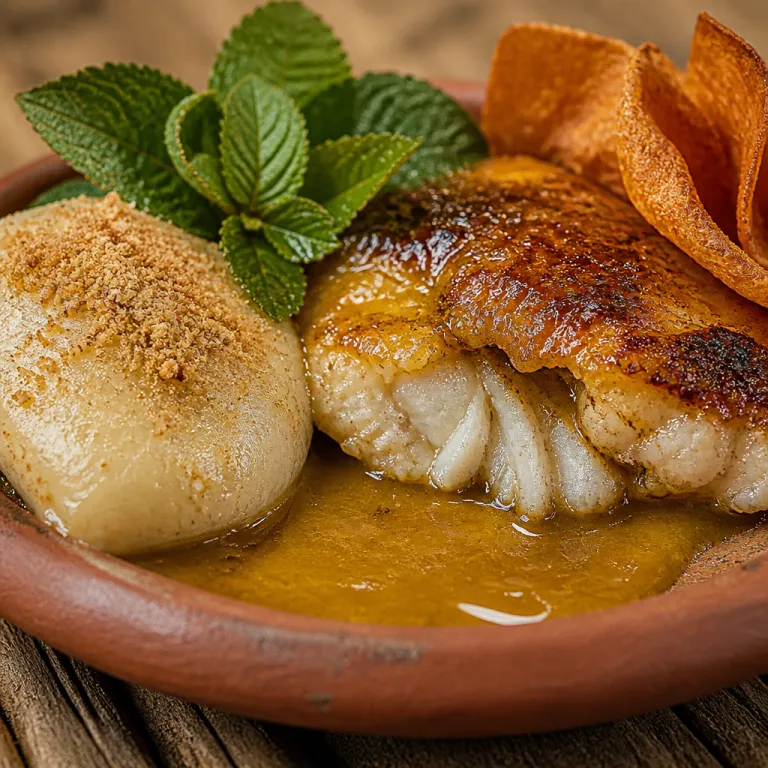
Belém, Pará: where the Amazon pantry meets luxury hospitality
Belém sits at the mouth of the Amazon River, a humid, magnetic city in northern Brazil where food shapes every conversation. This is the capital of Pará, officially recognized by UNESCO as a Creative City of Gastronomy in 2015, and it feels like the place where Brazilian cuisine is being rewritten plate by plate. For travelers comparing food-focused hotels in Belém, Pará with stays in Rio de Janeiro or São Paulo, the surprise is how quickly the city pulls you from lobby marble to market stall steam.
The city of Belém stretches along Guajará Bay, its historic core facing the water and the dense Amazon rainforest behind it. You feel that frontier energy in the way restaurants treat ingredients, drawing directly from the Amazon River and nearby islands rather than from a distant supply chain. While central south Brazil refines European techniques, Belém and the wider north of Brazil lean into Indigenous knowledge, African influences and Portuguese heritage to create a cuisine that no other city in Latin America can replicate.
Belém has around 1.3 million residents, according to recent IBGE estimates, yet the city still feels intimate once you start tracing its food routes. UNESCO’s designation as a Creative City of Gastronomy formalized what locals already knew: Belém is known for its unique Amazonian cuisine and cultural heritage. For guests booking premium hotels in this part of Brazil, that means the best properties now build entire experiences around tasting menus, market tours and river excursions that connect you directly to the Amazon region pantry.
The Amazonian pantry: irreplaceable ingredients behind Belém’s cuisine
In Belém, the word ingredients means something different from what you find in most restaurants across South America. Here, the pantry is built on tucupi, jambu, açaí, manioc in every texture and a long list of herbs and roots that only grow in the Amazon rainforest. When you stay at the top gastronomic hotels in Belém, Pará, you are not just booking a room in a city in Brazil; you are booking access to a living collection of flavors that define the Amazon region.
Local para culinary traditions start with manioc, transformed into farinha, tucupi broth and creamy purées that appear in both street food and fine dining restaurants. Açaí in Belém is thick, unsweetened and eaten with fresh fish or tapioca, a world away from the smoothie bowls of Brazil’s coastal gyms. Exotic fruits such as bacuri, cupuaçu and taperebá bring sharp acidity and perfume, and you will find them in hotel breakfast buffets, poolside cocktails and tasting menus curated by top chefs who helped put the city on the map beyond central south Brazil.
Many luxury properties now work directly with riverside communities along the Amazon River to secure sustainable supplies of natural ingredients. This shift mirrors a broader movement in Latin America hospitality, where responsible sourcing is becoming a marker of true premium status rather than a marketing line. For travelers interested in how green finance is reshaping lodges in the Amazon and Pantanal, the same logic applies in Belém’s urban hotels, and you can see it echoed in projects highlighted in this guide to new Amazon and Pantanal lodges financed by green credit.
Ver-o-Peso and the waterfront: navigating Belém’s open-air kitchen
Any serious exploration of food, hotels and gastronomy in Belém, Pará should begin at Ver-o-Peso, the legendary open air market on Guajará Bay. This is one of Latin America’s oldest and largest markets, and it functions as the beating heart of the city’s food system. When guides mention the Peso Market, they are usually referring to this same Ver-o-Peso complex of stalls, piers and improvised restaurants that run from dawn into the hottest hours of the day.
Walk the waterfront and you will find piles of fresh fish still glistening from the Amazon River and Guajará Bay, alongside baskets of exotic fruits whose names you may never have heard. Tacacá vendors ladle steaming tucupi broth over tapioca and jambu, while other stalls serve maniçoba, a slow cooked manioc leaf stew that defines para culinary identity. Many hotel concierges now arrange early morning tours with local experts, including a stop at a traditional restaurant inside the market where you can taste these dishes in situ before returning to the calm of your luxury property.
Ver-o-Peso is also where the city finds some of its most photogenic angles, from the iron market sheds to the boats moored along the bay. Travelers focused on photography will leave with a memory card full of market life, river light and close up shots of ingredients that rarely leave the Amazon region. If you are staying several days, consider returning at different times to capture a varied photo collection, then enjoy the contrast of a spa treatment or poolside caipirinha back at one of the leading gastronomic hotels in Belém.
From street stalls to tasting menus: where to eat and stay in Belém
Belém’s restaurant scene stretches from plastic stool street stalls to white tablecloth dining rooms inside polished hotels. On one end, you have tacacá stands on busy corners, açaí bars serving bowls with dried shrimp and farinha, and family run restaurants near the waterfront that specialise in pato no tucupi and grilled fresh fish. On the other, a new generation of top chefs is translating para culinary traditions into tasting menus that would feel at home in São Paulo or any major city in central south Brazil.
For travelers focused on food and design, the current flagship address to watch in the city is a centrally located, international-standard luxury hotel whose branding has changed in recent years; always check the most up-to-date name and management details when you book. Its design and service standards finally match the ambition of the local cuisine. Expect a strong emphasis on Amazon region ingredients at the in house restaurant, a lobby bar that treats exotic fruits as seriously as spirits, and concierge teams who will arrange private market tours, river lunches and even cooking classes with local chefs.
Beyond this flagship, Belém offers a growing range of premium stays, from restored mansions near the historic core to contemporary towers with panoramic views over Guajará Bay. Many of these hotels now package food experiences into their rates, including guided dinners at landmark restaurants such as Remanso do Bosque in the Umarizal area, Lá em Casa at Estação das Docas or Point do Açaí near the waterfront, street food walks and free late check out on Sundays so you can linger over a long Amazonian brunch. If your Brazil itinerary already includes Rio de Janeiro or São Paulo, consider allocating at least three days in Belém to balance urban energy with deep culinary immersion.
Amazon getaways from Belém: rivers, islands and rainforest edges
One of the advantages of basing yourself in gastronomic hotels in Belém, Pará is how easily you can pivot from city to nature. Within a few hours by boat, the urban skyline gives way to stilted river houses, flooded forests and islands where daily life still follows the rhythm of the tides. These Amazon region excursions add context to every plate you taste back in the city, turning ingredients into places and people rather than abstract flavors.
Popular day trips include boat rides along the Amazon River and its tributaries, where you can stop at small communities for lunches built around just caught fresh fish and seasonal fruits. Marajó Island, sitting between the Amazon River and the Atlantic, offers a different landscape of buffalo farms, riverside villages and beaches, and many travelers choose to spend one or two days there between hotel stays in Belém. Closer to the city, short cruises on Guajará Bay at sunset give you a sense of how Belém connects the Amazon rainforest to the wider South America coastline.
Several premium hotels in Belém now partner with jungle lodges and river operators to create seamless itineraries that combine urban comfort with rainforest immersion. You might spend three days in a high rise property focused on gastronomy, then transfer by boat to a lodge where dinners still feature the same para culinary ingredients but the soundtrack is pure forest. For travelers who enjoyed immersive cultural stays such as the São João themed properties highlighted in this guide to festas juninas hotel experiences, Belém’s Amazon getaways offer a similarly layered mix of place, food and atmosphere.
Planning your stay: when to go, how long and how to book
Belém lies just south of the equator, which means warm, humid weather and frequent rain showers throughout the year. The city’s rhythm shifts between wetter months from January to May and slightly drier periods from June to November, but food travelers can plan visits around festivals, market activity and restaurant openings rather than strict seasons. Many guests pair gastronomic hotels in Belém, Pará with stays in Rio de Janeiro or São Paulo, using the city as the northern anchor of a broader Latin America itinerary.
For a first visit focused on cuisine, plan at least four full days in Belém. That gives you time to explore Ver-o-Peso and the Peso Market area, dine at both casual and fine restaurants, and fit in at least one Amazon River or Guajará Bay excursion without rushing. If you want to add Marajó Island or a rainforest lodge, extend to six or seven days so you can enjoy some free afternoons at your hotel pool or spa between outings.
When booking, look for hotels that clearly articulate their connection to local food, including partnerships with para culinary projects, market tours and menus that highlight natural Amazon region ingredients. Many of the best properties will showcase their restaurant concepts with a strong photo collection, so study each image set to see how seriously they treat fresh fish, exotic fruits and regional dishes. As one local summary puts it, “Must-try dishes include tacacá, pato no tucupi, and maniçoba.”
Key figures: Belém, gastronomy and hospitality
- Belém has a population of around 1.3 million people, according to IBGE data, which gives the city enough scale to support a diverse restaurant scene while still feeling navigable for short stays.
- UNESCO recognized Belém as a Creative City of Gastronomy in 2015, placing it alongside global culinary hubs and accelerating investment in both local restaurants and higher end hotels.
- Brazil’s hotel and restaurant sector has been identified in national market reports as one of the most dynamic parts of the foodservice industry, which helps explain why properties in Pará are investing heavily in gastronomy led experiences.
- Ver-o-Peso is considered one of Latin America’s largest open air markets, and its scale allows hotels and restaurants in Belém to source a wide range of Amazon rainforest ingredients daily.
FAQ: Belém, food and where to stay
What is Belém best known for among travelers ?
Belém is best known for its Amazonian cuisine, which blends Indigenous, African and Portuguese influences into dishes built around tucupi, jambu, açaí and manioc. The city’s location between the Amazon River and Guajará Bay gives it direct access to fresh fish and exotic fruits that define local flavors. UNESCO’s recognition as a Creative City of Gastronomy has reinforced its reputation as a culinary capital in Brazil.
Which dishes should I prioritize on a short stay ?
On a three or four day visit, focus on tacacá, pato no tucupi and maniçoba, which are considered essential expressions of para culinary tradition. Complement these with grilled fresh fish at a waterfront restaurant and açaí served the local way, thick and unsweetened with farinha and dried shrimp. Many of the best hotels in Belém, Pará can arrange guided tastings so you can try these dishes in both street and fine dining settings.
How important is Ver-o-Peso for understanding Belém’s food culture ?
Ver-o-Peso is central to understanding how the city of Belém eats, shops and cooks, because it concentrates ingredients, traders and informal restaurants in one waterfront complex. The market links the Amazon rainforest and river communities to urban kitchens, making it a daily reference point for chefs and home cooks. Visiting with a knowledgeable guide or chef adds context to what you later taste in hotel restaurants.
Is Belém a good base for exploring the Amazon region ?
Belém works well as a base for travelers who want Amazon access without giving up urban comforts, especially if you choose one of the leading gastronomic hotels in Belém, Pará. From the city, you can arrange day trips along the Amazon River, overnight stays on Marajó Island or multi day extensions to rainforest lodges. This combination of city and nature helps you connect the flavors on your plate to the landscapes and communities that produce them.
How many days should I spend in Belém on a Brazil itinerary ?
If your broader trip already includes Rio de Janeiro or São Paulo, allocate at least three to four full days in Belém for a focused culinary experience. Travelers who want both deep market time and Amazon excursions often extend to six or seven days, splitting time between city hotels and nature based stays. This duration allows for free afternoons, repeat visits to favorite restaurants and a more relaxed rhythm overall.