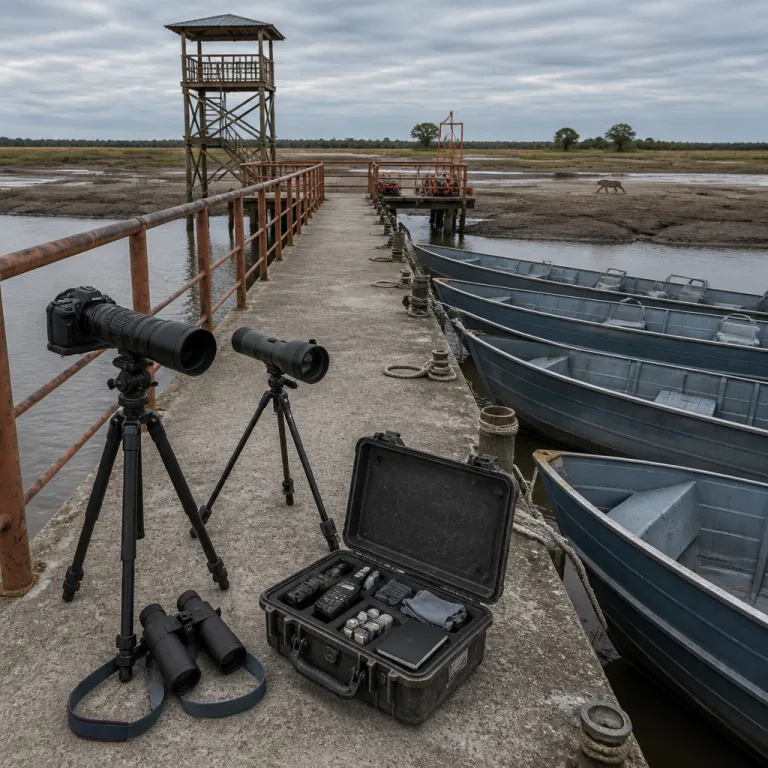
Why the Pantanal dry season turns lodges into jaguar stages
From July to November, the Pantanal dry season reshapes the entire floodplain. As water retreats from the vast wetlands of the Brazilian Pantanal, it funnels wildlife towards the remaining river channels and transforms every well placed lodge deck into a private hide for jaguar viewing. For a solo traveler planning a focused dry season jaguar trip in this region of Brazil, this is the time when patient hours on the river translate into some of the most reliable big cat encounters in South America.
The northern Pantanal around Porto Jofre in Mato Grosso is the most consistent corridor for jaguars and giant otters. Here, the Cuiabá River and its tributaries such as the Três Irmãos River become liquid highways where caiman, capybaras and jaguars share the same narrow strips of water and sandbanks. Local Pantaneiro guides use shallow draft motorboats to work each river bend slowly, and the combination of low water and exposed banks means you may see several different jaguars in a single day during peak dry season.
Data from long running operators show how dramatic this shift can be. For example, SouthWild’s monitoring on the Cuiabá and Três Irmãos rivers has documented more than 100 individual jaguars in the Porto Jofre area since 2006, and one reference lodge reports around 150 jaguar sightings per season on its guided programs, based on internal logs shared with guests. Typical itineraries in the Pantanal run to an average tour duration of eight days to maximise river time. Rising ecotourism has pushed properties to refine their conservation practices, and many now support jaguar identification projects such as the Jaguar Identification Project and Panthera’s Pantanal initiatives, which use photo catalogues to track individual cats across the wider Pantanal and even into neighbouring parts of Latin America.
The jaguar corridor: Porto Jofre, flotels and fazenda style lodges
Porto Jofre sits at the end of the Transpantaneira, a raised dirt road that cuts through the northern Pantanal from Poconé in Mato Grosso. Reaching this remote river outpost is part of the adventure for any dry season jaguar lodge itinerary in Brazil, and the drive from Cuiabá airport takes around five to six hours with wildlife stops along the way. Fly into São Paulo first if you are arriving from the United States or Europe, then connect north to Cuiabá for the most efficient travel route into this section of South America.
On the water near Porto Jofre, the SouthWild Jaguar Flotel anchors directly on a prime stretch of river for jaguar viewing. This floating hotel sits close to the confluence of key channels, so you start each day already inside the core hunting territory of several well known jaguars. Because the flotel reduces daily boat commute time, it is one of the best options for photographers who want maximum hours on the river and minimal back and forth between a distant Pantanal lodge and the main wildlife hotspots. In high season, expect full day boat outings with a packed breakfast and lunch, returning at sunset to air conditioned cabins and simple but comfortable facilities.
Back on land, the family run Jaguar Ecological Reserve offers a more traditional fazenda style lodge experience within the northern Pantanal landscape. Here, you split your time between river based jaguar viewing and land safaris that reveal giant anteaters, hyacinth macaws and large congregations of caiman in shrinking water holes. When you are not on a boat, hammocks and shaded verandas become casual observatories where you will watch the daily rhythm of Brazil wildlife unfold just a few metres away, a slower counterpoint to the intense focus of the river days. Night drives, short walking trails and optional horseback rides add variety, and most stays are sold on a full board basis with guided activities included in a per night package price.
Beyond big cats: full cast wildlife and conservation led stays
While jaguars are the headline, the Pantanal dry season is about density and drama across the entire wildlife spectrum. Giant otters patrol the river in tight family groups, caimans stack along sandbanks and capybaras graze the edges of every channel, so your Pantanal lodge stay in the dry months quickly becomes a masterclass in wetland ecology. Birdlife is equally rich, with jabiru storks, herons and macaws using the exposed mudflats and remaining pools of water as feeding grounds throughout the season, and checklists at well known lodges often exceed 300 recorded species.
Many lodges now weave conservation into the guest experience in tangible ways. Some properties partner with a jaguar identification project that invites guests to share high resolution images for formal jaguar identification work, turning casual photography into useful data for long term monitoring across the Pantanal and neighbouring regions of Latin America. Others support research on giant anteaters and caiman populations, or fund community based initiatives in both northern Pantanal and southern Pantanal that keep local Pantaneiro families engaged in sustainable tourism instead of extractive activities such as unregulated cattle expansion or commercial hunting.
Floating platforms such as the SouthWild Jaguar Flotel and riverside bases like Caiman Lodge style properties on other stretches of the Paraguay River show how design can bring you closer to the action without sacrificing comfort. These lodges often use solar power, water treatment systems and low impact building techniques, part of a broader wave of eco focused projects highlighted in analyses of green credit behind new Amazon and Pantanal lodges by Brazilian development banks. When you choose a conservation minded Pantanal lodge, you are not only increasing your chances of seeing jaguars and giant anteaters at close range, you are also directly supporting the protection of one of Brazil’s most important wildlife corridors in South America.
Planning your Pantanal dry season trip: routes, pairings and timing
For a solo explorer, the key planning decision is how many nights to allocate to the Pantanal dry season and how to structure your lodge stays. A three night itinerary in the northern Pantanal around Porto Jofre will give you a solid introduction, but five to seven nights split between a river based flotel and a land based Pantanal lodge offers the best balance of jaguar viewing and broader wildlife experiences. Aim to arrive early in the dry season if you prefer slightly cooler days, or target August and September if your priority is the highest possible encounter rate with jaguars along the river.
Access points differ between northern Pantanal and southern Pantanal, and that choice will shape the rest of your Brazil travel. Cuiabá is the main gateway for Mato Grosso and the Porto Jofre corridor, while Campo Grande opens up ranches and wetlands further south that connect more naturally with Bonito’s clear water rivers and snorkelling sites. Many travelers pair a jaguar focused stay in the Brazilian Pantanal with a second leg in Bonito or even a flight north to an Amazon or coastal escape, using hubs like São Paulo to stitch together a wider Latin America itinerary.
If you are building a longer south America journey, consider adding a few days in Belém for a deep dive into Amazon influenced cuisine before or after your wetland time. Our guide to Belém as the culinary capital you have not booked yet outlines how to connect that city with Pantanal and other Brazilian biomes. For those drawn to remote islands and marine wildlife after the wetlands, the Fernando de Noronha complete hotel and pousada guide on MyBrazilStay shows how to transition from river based safaris to Atlantic archipelago stays without losing the sense of wild luxury that defines a well planned Pantanal dry season jaguar adventure in Brazil.
FAQ
What is the best time to see jaguars in the Pantanal ?
The most reliable months for jaguar sightings in the Pantanal are July to November during the dry season. During these months, low water levels concentrate prey along riverbanks, which in turn draws jaguars into the open for longer periods each day. If your schedule is flexible, aim for August or September when sighting rates on key rivers near Porto Jofre are often at their peak, and try to plan at least three consecutive boat days to allow for changing weather and light.
Which lodges offer the most reliable jaguar viewing ?
Two of the most established bases for consistent jaguar encounters are Jaguar Ecological Reserve and SouthWild Jaguar Flotel. Both operate in prime sections of the northern Pantanal, with quick access to productive stretches of the Cuiabá River and its tributaries. Booking a minimum of three to five nights at one of these bases significantly increases your chances of multiple quality sightings, especially if you choose departures that fall in the middle of the dry season.
How do I get to Porto Jofre for a dry season stay ?
The standard route to Porto Jofre is to fly to Cuiabá, then drive via the Transpantaneira Highway. Most luxury focused operators arrange private 4x4 transfers that include wildlife stops along the way, turning the journey into a half day safari. In the dry season the road is usually passable, but you should still rely on experienced drivers who know the bridges, conditions and timing, and allow extra time at the start and end of the season when occasional rains can slow progress.
How many days should I spend in the Pantanal during the dry season ?
For a focused jaguar and wildlife trip, plan at least three full days on the river. Many photographers and nature enthusiasts choose eight day programs, which match the average tour duration offered by specialist Pantanal operators. Longer stays allow you to experience different sections of the river system, adapt to changing weather and light, and support more in depth conservation activities such as jaguar identification projects, while still leaving room in your Brazil itinerary for other regions.
Can I combine a Pantanal lodge stay with other Brazil nature destinations ?
Yes, the Pantanal pairs well with several other Brazilian regions for a broader nature itinerary. Many travelers connect southern Pantanal with Bonito for clear water snorkelling, or link northern Pantanal with Amazon lodges and coastal islands such as Fernando de Noronha. Using hubs like São Paulo and Cuiabá, you can design a South America journey that moves from wetlands to rainforest and then to the Atlantic, while keeping flight times manageable and allowing for at least one buffer night between major connections.