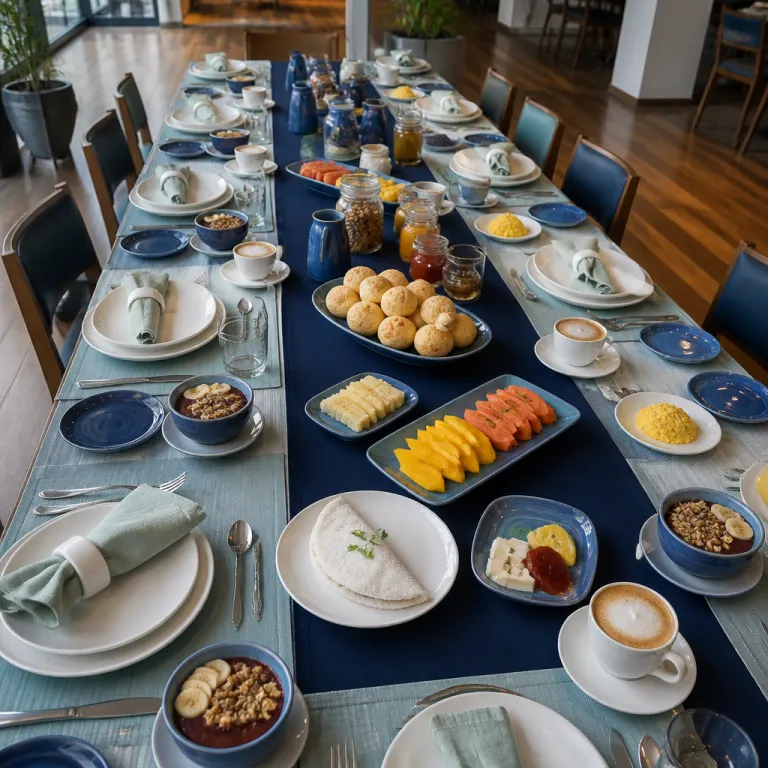
Why brazilian hotel breakfast is a regional manifesto
Step into a luxury hotel dining room in Brazil and the breakfast table immediately tells you where you have landed in this vast country. What looks like a generous spread of brazilian food is in fact a carefully edited map of brazilian cuisine, where every bread, fruit and fried delicacy signals a specific region and a very local story. For travelers using mybrazilstay.com to choose a stay, understanding how brazilian hotel breakfast regional food culture works turns a simple meal into a lens on the country.
Across Brazil, the morning ritual is rarely a generic buffet ; it is a curated sequence of dishes that quietly introduces you to traditional brazilian habits before you even step outside. A typical brazilian breakfast in a premium property will feature strong coffee, warm cheese bread, seasonal fruit and at least one regional dish that anchors you in place, whether you are in Rio de Janeiro, São Paulo or the hills of Minas Gerais. This is why brazilian breakfast options have become a key differentiator for luxury hotels, as guests increasingly choose where to sleep based on how they will eat at dawn.
For solo travelers, the first coffee of the day is often the most intimate contact with brazilian food culture. You taste the country in each spoon of condensed milk stirred into coffee, in each slice of bread spread with regional cheese or coconut milk infused jams, and in each bowl of rice and beans repurposed as a hearty morning dish in some regions. In a market where lodging based foodservice is expanding fast across South America, the smartest hoteliers in Brazil now treat breakfast as both a cultural manifesto and a quiet form of hospitality theatre.
The Northeast and Bahia: sunlit mornings of tapioca, cuscuz and dendê
In Brazil’s Northeast, brazilian hotel breakfast regional food culture begins with the scent of tapioca hitting a hot griddle. Luxury hotels in Recife, Natal or Fortaleza often station a cook behind a tapioca bar, ladling hydrated cassava flour onto a plate, then folding it around cheese, coconut milk sweetened shreds or savory brazilian food fillings that feel both light and deeply satisfying. This is where you first sense how a typical brazilian morning dish can be both gluten free and indulgent, especially when paired with strong coffee and a plate of sliced tropical fruit.
Bahia takes that same cassava flour and turns the breakfast table into a celebration of palm oil and dende oil kissed cuisine. In Salvador’s premium hotels, you may see mini acarajé or bolinho de bacalhau appear alongside more common breakfast dishes, a nod to street food culture translated into refined hotel service. The fruit station becomes a gallery of the region, with passion fruit, graviola, cajá and pitanga arranged beside more familiar options, reminding you that this part of the country is a cradle of brazilian cuisine shaped by African, indigenous and Portuguese influences.
Some high end properties in Bahia now build reputations almost entirely on their morning spreads, turning breakfast into a tasting menu of traditional brazilian dishes. You might start with cuscuz de milho steamed gently in milk, move to fried plantain with a drizzle of condensed milk, then finish with bread rolls and local cheese that echo Portuguese colonial roots. For travelers planning where to stay, our guide to hotel restaurants that shaped Brazilian dining shows how these breakfast tables often sit inside kitchens that are quietly rewriting the story of brazilian food in South America.
Minas Gerais, São Paulo and Rio de Janeiro: urban mornings, farm soul
Head inland to Minas Gerais and brazilian hotel breakfast regional food culture shifts toward comfort, dairy and slow mornings. In Belo Horizonte’s luxury hotels and countryside retreats, the star is pão de queijo, the iconic cheese bread made from cassava flour and local cheese that appears warm and fragrant in baskets beside strong coffee. A typical brazilian spread here includes quitandas, which are small baked goods, slices of fresh cheese, guava paste, and bread ready for generous layers of butter or doce de leite.
São Paulo’s premium hotels reinterpret this Minas Gerais heritage through an urban lens, pairing pão de queijo and other cheese breads with sleek espresso bars and international dishes. In these properties, you might alternate between a bowl of seasonal fruit and a plate of rice and beans refashioned as a protein rich breakfast, while still finding space for a small fried bolinho de bacalhau as a salty counterpoint. The city’s cosmopolitan character means brazilian cuisine shares the table with global options, yet the presence of pao, local cheese and condensed milk sweet treats keeps the experience rooted in Brazil.
Rio de Janeiro leans into the coastal mood, but the essence of brazilian breakfast remains unmistakable in its luxury hotels. Expect buffets where bread baskets sit beside platters of passion fruit, papaya and mango, and where coconut milk enriched puddings echo both Portuguese and Afro brazilian traditions. For a deeper look at how hotel chefs in Rio and São Paulo are elevating every dish from breakfast to dinner, our feature on hotel chefs rewriting Brazilian gastronomy maps the properties where the morning table alone can justify booking a room.
Southern Brazil and the Amazon: colonial spreads and forest bowls
In southern Brazil, especially in Gramado and the Serra Gaúcha, brazilian hotel breakfast regional food culture takes on a distinctly European inflection. Luxury chalets and spa hotels serve colonial style spreads where bread loaves, cured meats and cheese dominate long tables, often joined by chocolate from local factories and cakes that feel more Austrian than tropical. Yet even here, brazilian food identity persists in the presence of strong coffee, seasonal fruit and occasional dishes made with cassava flour or coconut milk.
Travel north to the Amazon and the morning table becomes a direct expression of the forest, reshaping your understanding of brazilian cuisine. High end lodges along the Rio Negro or near Manaus often serve açaí bowls in their original form, thick, unsweetened and topped with fruit rather than condensed milk or chocolate, alongside tapioca based bread and fried fish bites. The result is a breakfast that feels both light and powerful, reflecting a region where the country’s biodiversity is not an abstract concept but a daily food reality.
Across these regions, from southern Brazil to the Amazon, rice and beans may appear at breakfast in more traditional brazilian properties, especially where guests head out for long excursions. Some hotels also introduce small portions of bolinho de bacalhau or other fried snacks in the morning, acknowledging that in this country, savory dishes are as common as sweet ones at the start of the day. If you are planning a wellness focused escape where the air and water matter as much as the cuisine, our guide to thermal retreats and highland hotels highlights properties where breakfast menus are carefully calibrated to support long hikes and slow spa days.
How luxury hotels curate breakfast as cultural storytelling
For the best luxury and premium hotels in Brazil, breakfast is not an afterthought ; it is a daily performance of identity. General managers and chefs treat the brazilian hotel breakfast regional food culture as a strategic asset, choosing each dish to balance guest expectations with a clear sense of place. That is why you will often see both international staples and deeply typical brazilian options, from cheese bread and pao de queijo to rice and beans or coconut milk based puddings.
In practice, this means that a property in Minas Gerais might highlight local cheese, guava paste and pão de queijo, while a hotel in Bahia leans into dende oil rich cuisine and tropical fruit platters. A São Paulo skyscraper hotel may offer a restrained selection of bread, pastries and portuguese inspired sweets, yet still reserve a corner for traditional brazilian dishes like cuscuz or fried snacks that echo street food culture. Across the country, chefs use ingredients such as cassava flour, palm oil and condensed milk to signal regional roots while maintaining the polish expected in high end hospitality.
For travelers comparing options on mybrazilstay.com, paying attention to how a hotel talks about its breakfast can be as revealing as room photos. Properties that reference brazilian cuisine explicitly, name their regional dishes and highlight partnerships with local producers usually take brazilian food culture seriously across all meals. Over time, this focus on breakfast as cultural artefact has helped position Brazil within South America as a destination where the first meal of the day is both a pleasure and a form of quiet education.
Practical tips: reading the breakfast table when booking your stay
When you browse luxury hotels in Brazil, treat the breakfast description as a decoding tool for the entire experience. Look for mentions of regional specialties such as pão de queijo in Minas Gerais, açaí bowls in the Amazon, or dende oil accented dishes in Bahia, as these signal a genuine commitment to brazilian hotel breakfast regional food culture. If a property lists only generic bread, cereal and milk, you can expect a more international, less typical brazilian approach to cuisine.
Solo travelers should also pay attention to how flexible the breakfast service is, because this shapes how you will interact with the country’s food culture. Made to order stations for tapioca, eggs or fried snacks allow you to explore brazilian food at your own pace, while buffet only formats may limit your ability to ask about each dish and its region of origin. Hotels that train staff to explain ingredients like cassava flour, palm oil or coconut milk usually understand that guests are curious about brazilian cuisine, not just hungry.
Finally, consider how the breakfast room itself frames the country outside, whether you are in Rio de Janeiro watching the ocean, in São Paulo overlooking the skyline, or in southern Brazil facing misty hills. A table set with fruit, bread, cheese and coffee becomes a quiet atlas of Brazil when each element reflects a specific region and tradition. Choosing hotels that treat breakfast as cultural storytelling ensures that every morning of your trip begins with both nourishment and a deeper connection to the place you came to explore.
FAQ
What is typically served at a brazilian hotel breakfast in luxury properties?
In luxury hotels across Brazil, a typical brazilian breakfast usually includes strong coffee, a selection of bread and cheese, seasonal fruit and at least one regional dish. You will often find pão de queijo or other cheese breads made with cassava flour, alongside cakes, pastries and coconut milk or condensed milk based sweets. Depending on the region, the table may also feature rice and beans, fried snacks or portuguese inspired dishes that reflect local brazilian cuisine.
How does brazilian hotel breakfast regional food culture change from region to region?
Brazilian hotel breakfast regional food culture varies significantly between coastal cities, inland states and the Amazon. In Bahia and the Northeast, you are likely to see tapioca, cuscuz, tropical fruit and dende oil influenced dishes, while Minas Gerais emphasizes cheese, guava paste and pão de queijo. Southern Brazil leans toward colonial spreads with bread, charcuterie and chocolate, and Amazon lodges focus on açaí, river fish and forest fruit, showing how each region of the country tells its own story through breakfast.
Can I find vegetarian or lighter options in brazilian hotel breakfasts?
Most premium hotels in Brazil now offer a wide range of vegetarian and lighter breakfast options. Fresh fruit, yogurt, bread, cheese, tapioca made without fillings and açaí bowls are common, especially in properties that highlight wellness. You can usually request dishes without meat or fried elements, and many kitchens are happy to adapt traditional brazilian recipes to suit lighter preferences.
Is it common to have savory dishes like rice and beans at breakfast in Brazil?
While not universal, savory dishes such as rice and beans or fried snacks do appear at breakfast in more traditional brazilian hotels, particularly outside major cities. This reflects a long standing habit in parts of the country where people start the day with hearty food before work or travel. In luxury properties, these dishes are often presented in smaller portions, allowing guests to sample them alongside more familiar breakfast items.
How should I use breakfast information when choosing a hotel in Brazil?
When comparing hotels, read the breakfast description carefully and look for references to regional brazilian food, local ingredients and specific dishes. Properties that emphasize brazilian cuisine, name items like pão de queijo, tapioca or açaí, and mention partnerships with local producers usually take food seriously across all meals. This attention to breakfast as a cultural artefact is a strong indicator that the overall stay will feel more rooted in the country and its diverse regions.