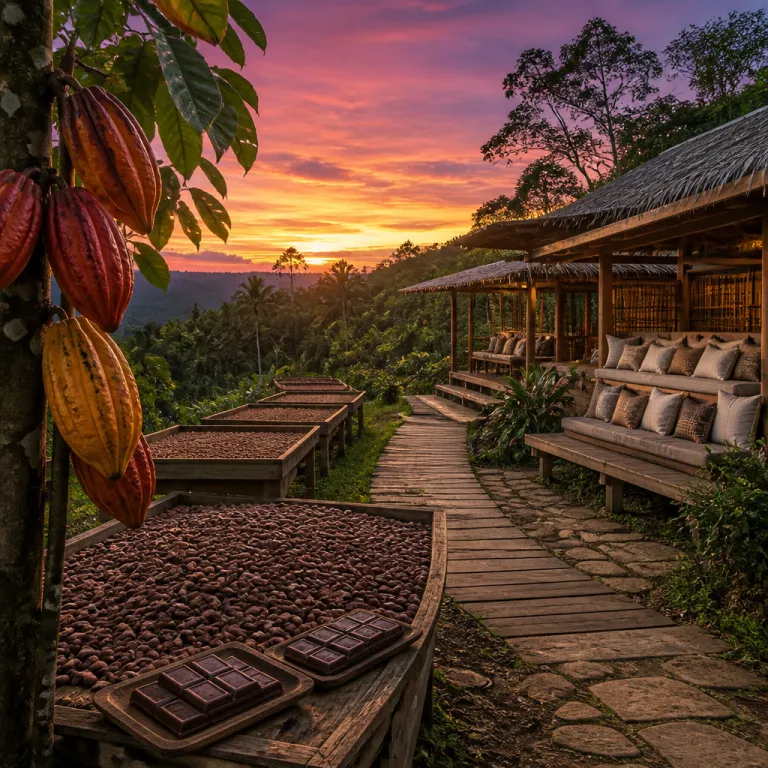
The cacao belt of Bahia: where cocoa meets the Atlantic
Southern Bahia Brazil is where cacao, cocoa and the Atlantic ocean share the same humid air. This stretch of cocoa coast between Ilhéus, Itacaré Bahia and Una forms a dense green corridor where the atlantic forest still feels real and surprisingly intact. For a solo traveler planning a cacao focused trip, this is the best place in South America to turn a simple hotel stay into a deep chocolate experience.
Ilhéus is the historic cacao town, once ruled by powerful landowners whose fortunes rose and fell with the price of cocoa. Their legacy still shapes the region’s cacao culture, from restored mansions in the town center to working cacao farms hidden behind forest lined roads that now welcome a new generation of guests. When you visit these farms by day and return to a chocolate hotel by night, the story of southern Bahia Brazil stops being abstract and becomes something you can taste, smell and walk through.
Further north, Itacaré Bahia blends surf breaks, river mouths and cacao farms in a way that feels uniquely Brazilian. The town sits between steep hills of atlantic forest and small urban beaches, so every place you choose as your Bahia stay comes with some kind of open air connection to nature. Una, just down the cocoa coast, adds wildlife reserves and mangroves to the mix, turning a simple place to stay into a base for exploring both forest and sea in a single day.
Sleeping in cacao country: from Chocolate Hotel to forest villas
In Itacaré, Chocolate Hotel has become a reference point for travelers who want their stay to orbit around cacao culture rather than just the beach. This chocolate hotel in Bahia Brazil builds its entire experience around cocoa, from the scent of roasted beans in the lobby to in room amenities that use cacao butter instead of generic products. For a solo explorer, it feels like a place to stay where every detail quietly reminds you that you are in the heart of southern Bahia’s cocoa belt.
Txai Resort Itacaré sits further along the coast, with hotel villas scattered across a hillside that drops toward the atlantic ocean. Here, the luxury is in the space between things ; wide decks, open air walkways and a panoramic view that stretches over the atlantic forest canopy to the water beyond. You can spend the day surfing or visiting nearby cacao farms, then return to a calm, low key Bahia stay where the sound of the forest replaces any need for bars or restaurants on your doorstep.
Closer to the historic cocoa coast capital, Pousada do Cacau in Arraial d’Ajuda offers a more intimate hotel experience with a strong sense of place. Guests praise the generous breakfast built around local fruit and regional products, which is exactly what you want before a long day visiting cacao farms or exploring the town. For travelers interested in Bahian heritage more broadly, it pairs well with a cultural deep dive into Afro Bahian traditions and hospitality, which you can explore further through this guide to hotels preserving Bahian heritage.
From plantation to plate: cacao gastronomy and chocolate rituals
Staying in cacao chocolate hotels in Bahia Brazil means your breakfast table becomes a tasting flight of the region’s work. Expect hot chocolate made with freshly ground cocoa, nibs sprinkled over tropical fruit and cakes scented with cacao that still carries the aroma of the forest. In the best properties, chefs treat cacao like wine or coffee, talking you through terroir, fermentation and roasting while you sip and stay chocolate from morning to night.
Many hotels on the cocoa coast now collaborate directly with nearby cacao farms to offer bean to bar workshops. You might join a small group to walk through the atlantic forest shade, cut open fresh cacao pods and follow the beans through fermentation, drying and roasting before tempering your own chocolate bar. The organizers describe it simply and clearly : “What is a cacao hotel? A hotel offering experiences centered around cocoa culture.”
Well run properties extend this cacao culture into wellness and dining, with cacao butter spa treatments and tasting menus that pair savory dishes with different cocoa percentages. One night you might try grilled fish with a light cacao sauce, the next a slow cooked meat dish that uses cocoa as a subtle bitter note rather than a sweet one. As Brazil positions gastronomy as a pillar of tourism, these experiences feel as considered as a truffle hunt in Piedmont or a mezcal tasting in Oaxaca, and they are reshaping what a luxury Bahia stay can be.
Cultural layers: Jorge Amado, cacao barons and the new cocoa economy
Walking through Ilhéus after a day on a cacao farm, you start to see how literature, agriculture and hospitality overlap. This is Jorge Amado’s town, where stories of cacao barons, workers and shifting fortunes were written into Brazilian cultural memory. When you check into a hotel here, you are not just booking a room ; you are stepping into a narrative that still shapes how people talk about cocoa, power and land in Bahia Brazil.
The region’s atlantic forest once hid vast monoculture plantations, and the collapse of that system left scars that are still visible in abandoned structures along the cocoa coast. Today, a new generation of farmers and hoteliers is rebuilding around smaller scale cacao farms that prioritize biodiversity and fairer relationships with workers. Many of the most interesting cacao chocolate hotels in Bahia Brazil partner with organizations such as the Arapyaú Institute and local cooperatives to ensure that every guest visit supports this shift toward a more resilient economy.
For travelers used to origin trips in wine regions like Burgundy or truffle hunts in northern Italy, southern Bahia offers a different rhythm. Here, you might spend the day in the forest learning how shade grown cacao protects soil and wildlife, then end the evening in a quiet hotel bar tasting single origin chocolate instead of wine. Large scale developments elsewhere in Brazil, such as the vast Hard Rock resort in Gramado, show one path for tourism growth, but on the cocoa coast the most compelling luxury remains small scale, rooted in land and story rather than spectacle, as explored in this analysis of mega resorts in Serra Gaúcha.
Nature, surf and slow mornings: designing your cacao itinerary
Planning a cacao focused trip through southern Bahia works best when you think in layers. Start with a few nights in Ilhéus or nearby towns to explore the historic center, visit working cacao farms and understand how cocoa once ruled this part of Brazil. Then move along the cocoa coast to Itacaré Bahia, where your place to stay can double as a surf base, forest retreat and chocolate tasting room.
In Itacaré, choose a hotel with easy access to both the atlantic forest trails and the beaches, so you can split your day between hiking and swimming. Many properties offer guided walks that explain how cacao trees thrive under taller species, turning the forest into a living classroom rather than just a backdrop. Solo travelers often join small groups for these activities, which makes it easier to share transport costs and compare notes on the best chocolate hotel experiences over dinner in town.
For a final, quieter chapter, consider a night or two near Una’s reserves, where wildlife viewing replaces bars and restaurants as the main evening entertainment. Here, the luxury is in the silence, the open air verandas and the panoramic view over mangroves that glow at sunset. If you want to extend the coastal rhythm beyond Bahia, you can look to other Brazilian escapes such as this intimate beachfront retreat in Fernando de Noronha, reviewed in depth in our guide to an exclusive island stay, then return to the cocoa coast with a sharper sense of how different regions express luxury.
Practical tips for choosing your cacao hotel in Bahia
When comparing cacao chocolate hotels in Bahia Brazil, start by checking how closely each property is linked to real cacao farms. Some hotels simply serve local chocolate at breakfast, while others build full day itineraries that include harvesting, fermentation and tasting on working cocoa properties. The more direct the relationship with cacao farms, the richer your stay will feel and the more your spending supports the local economy.
Look carefully at location and layout, especially if you value open air spaces and a strong connection to the atlantic forest. A hotel with elevated decks, shaded paths and a panoramic view over the cocoa coast will feel very different from one tucked into a busy town street. Solo travelers often appreciate hotel villas or smaller room clusters, which offer privacy while still making it easy to meet other guests for a shared visit or a casual drink.
Finally, pay attention to how each place talks about cacao culture in its materials and on site. Properties that treat cocoa as a living tradition rather than a theme tend to offer more thoughtful experiences, from quiet reading corners stocked with books on Jorge Amado to tasting notes that explain why one chocolate bar tastes of citrus while another leans toward nuts. If a hotel can articulate why its corner of southern Bahia Brazil matters in the wider story of South America’s cacao, it is usually a sign that your stay chocolate will be both pleasurable and meaningful.
FAQ
What is a cacao hotel in southern Bahia ?
A cacao hotel in southern Bahia is a property that builds its guest experience around cocoa and chocolate, often through direct partnerships with nearby cacao farms. These hotels typically offer activities such as plantation visits, bean to bar workshops and guided tastings alongside standard amenities. In Bahia Brazil, many of the most interesting examples are found along the cocoa coast between Ilhéus, Itacaré and Una.
Where should I stay for cacao experiences near Itacaré Bahia ?
For travelers focused on cacao culture near Itacaré Bahia, Chocolate Hotel and Txai Resort Itacaré are strong options, each with a different style of luxury. Chocolate Hotel places cocoa at the center of its identity, while Txai offers spacious hotel villas with easy access to both forest and beach. Both make it simple to arrange visits to nearby cacao farms and to spend the day exploring the atlantic forest before returning to a comfortable Bahia stay.
What kind of activities do cacao hotels in Bahia offer ?
Cacao hotels in Bahia usually organize guided tours of working cacao farms, chocolate making workshops and curated tastings of different cocoa origins. Many also integrate cacao into wellness and dining, from cacao butter spa treatments to menus that use chocolate in both sweet and savory dishes. Some properties add nature based activities such as atlantic forest hikes or surf lessons, allowing guests to combine gastronomy with outdoor experiences.
Is southern Bahia a good destination for solo travelers interested in chocolate ?
Southern Bahia is well suited to solo travelers who want to build a trip around chocolate, nature and culture. The region’s towns are compact, the hospitality scene is used to international visitors and many activities are organized in small groups, which makes it easy to join farm visits or workshops without a companion. Choosing a hotel that emphasizes shared experiences, such as communal breakfasts or group tastings, helps solo guests connect with others while still enjoying privacy.
How many days should I plan for a cacao focused stay in Bahia Brazil ?
For a cacao focused itinerary in Bahia Brazil, plan at least four to six days to balance farm visits, beach time and cultural exploration. A common pattern is to spend two or three nights near Ilhéus for historic and literary context, then move to Itacaré or nearby areas for atlantic forest hikes, surf and extended chocolate tastings. If you want to add wildlife viewing around Una or extra time in a favorite chocolate hotel, extending your stay to a full week works very well.
References
Brazilian Institute of Geography and Statistics (IBGE) ; Ministério do Turismo do Brasil ; Organização Internacional do Cacau (International Cocoa Organization).