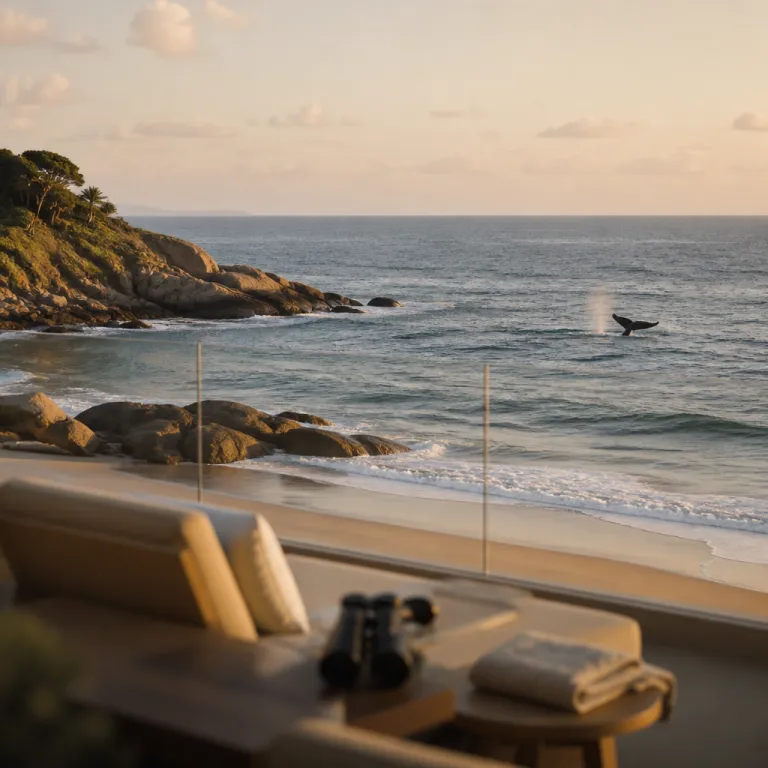
Whale watching Brazil hotels season: why the southern coast matters
Every winter, the whale watching Brazil hotels season turns Brazil’s southern coastline into a quiet marine theatre. From late July through November, humpback whales and southern right whales leave the cold feeding grounds of the Antarctic and move north along the South Atlantic, seeking warmer water to breed, calve and nurse close to shore. This migration defines the prime viewing months for guests who want to stay in hotels where whales are spotted from the terrace rather than from crowded boats.
The biology behind this spectacle is simple and powerful: warm, protected bays in the south of Brazil offer calm sea conditions and shallow water where newborn calves can surface easily. Monitoring by organisations such as Instituto Baleia Jubarte and Brazil’s ICMBio indicates a strong recovery of humpback whale populations in the South Atlantic, with recent estimates suggesting more than 20,000 individuals, and that rebound is visible from the cliffs of Santa Catarina when whales year after year return to the same coves. In this part of the southern coast, the best places for land based whale watching sit directly above the ocean, so choosing the right stay is not a luxury detail but the core of the experience.
Brazil regulates boat based watching tours through federal rules that set minimum approach distances and limit how long vessels can remain near groups of whales, which means most watching is done from land with binoculars and cameras rather than from a watching tour on the water. That is why the whale watching Brazil hotels season is really about geography: you want a room that faces the open sea, not a garden view that hides the marine mammals behind dunes. When you book, ask the hotel which rooms actually face the south facing bays where whales spotted in previous seasons included humpback whales, southern right whales and even rare fin whales cruising just beyond the surf line.
Santa Catarina’s whale corridor: Praia do Rosa, Imbituba and Garopaba
Santa Catarina is the heart of the whale watching Brazil hotels season, a compact stretch of southern coastline where cliffs, dunes and fishing villages frame deep blue water. Praia do Rosa offers one of the most dramatic natural amphitheatres in Brazil, with headlands that let guests watch whales from grassy slopes only a few metres above the sea. On clear days, you can spot whales from dawn to late afternoon, their blows rising against the Atlantic like plumes, even though many travellers associate such scenes with Pacific hotspots rather than this corner of Brazil.
Imbituba’s Praia da Ribanceira and the coves around Garopaba form a quieter, more local cluster of best places to stay during the watching season. Here, small luxury hotels and refined pousadas sit on hillsides where each ocean facing suite becomes a private watching spot, and families can track different whale species as they move along the southern coastline. For detailed neighbourhood guidance on where to stay in Florianópolis and how to connect that island stay with Santa Catarina’s whale corridor, use our insider guide on where to stay in Florianópolis Island from Jurerê to Campeche.
In this region, the most frequent visitors are humpback whales, but southern right whales like conditions that are similarly calm, which is why whales spotted from land often include mothers with calves rolling close to shore. Local hotels now work with conservation organisations and trained guides to structure land based watching tours that respect distance rules and avoid the intrusive style of some heavily trafficked whale watching hubs abroad. When you book, ask whether the property collaborates with Instituto Baleia Franca or follows ICMBio guidelines, which together monitor marine mammals along this coast and advise on the safest watching tour practices for both whales and guests.
Hotels with front row views: where your terrace becomes a lookout
For families planning the whale watching Brazil hotels season, the real luxury is not marble bathrooms but a terrace that frames the open ocean. Around Santa Catarina, several discreet high end hotels position their rooms along ridgelines so that every stay feels like a private observatory above the sea. Some of these properties now offer dedicated whale watching amenities, from in room binoculars to early morning coffee trays timed to the first blows offshore.
Near the main whale corridor, long established luxury retreats on forested peninsulas offer villas that face the south facing bays where whales travel. While not every villa will see whales every day, the combination of private decks, heated plunge pools and on staff naturalist guides gives guests a serious chance to spot whales directly from their own space. Families can arrange land based watching tours with guides who understand both the biology of marine mammals and the etiquette of quiet observation, avoiding the crowded boat tours that define whale watching in some international destinations.
Winter in Brazil still feels like a soft summer along this coast, which is why July and August are prime months for both whale watching and slow travel escapes. For ideas on how to pair the watching season with sun drenched pool days in other parts of the country, see our feature on winter hotels in Brazil that feel like summer. When you book, request upper floor rooms that face directly onto the ocean, because side views may miss the precise channels where whales year after year follow the same underwater routes.
From whales to wine: itineraries, etiquette and practical planning
Designing a family itinerary around the whale watching Brazil hotels season means thinking in arcs rather than single nights. Most international travellers will land in São Paulo or Florianópolis, then drive south along the coast to reach Praia do Rosa, Imbituba and Garopaba, so plan at least four nights to settle into the rhythm of the sea. Car rental is essential, because the best places to spot whales are often headlands and dunes a short drive from the main hotels, and you will want the freedom to chase clear skies between bays.
Once you have had your fill of whales, turn inland toward the Serra Gaúcha, the cool climate wine region that lies roughly a two hour drive north of the main whale corridor. Here, vineyards around Bento Gonçalves and Garibaldi offer polished hotels where you can trade the sound of the ocean for the hush of cellars, pairing your marine mammals memories with sparkling wine tastings. This combination of short, high value micro adventures reflects a wider eco tourism trend, where travellers swap long vacations for intense, carefully curated stays that still respect conservation goals and local culture.
Respect is the keyword on the coast as well: Brazil’s regulations limit how close boats can approach whales, with specific distances varying by species and region, which is why land based watching is the norm and why you should be wary of any operator promising close encounters that ignore local rules. Follow local guidance, stay on marked trails, keep children quiet near cliff edges and remember that sperm whales, fin whales, blue whales and other whale species are sensitive to noise even when they remain far offshore. To deepen your understanding of how Brazilian communities balance tourism, heritage and nature, read our piece on the hotels preserving Bahian cultural heritage, then bring that same mindset of care to every watching tour you join along the southern coast.
FAQ
When is the best time to see whales in Brazil ?
When is the best time to see whales in Brazil? The best window for the whale watching Brazil hotels season runs from July to November, with August and September usually offering the most consistent sightings along the southern coast. During this period, humpback whales and southern right whales approach the shore to breed and calve, making land based observation from hotels in Santa Catarina particularly rewarding.
Which Brazilian state is best for whale watching ?
Which Brazilian state is best for whale watching? Bahia is often highlighted for its humpback whale population, especially around the Abrolhos region, but Santa Catarina has become the reference point for land based whale watching from hotels. Families focused on combining a comfortable stay with daily sightings should prioritise Santa Catarina during the watching season, then consider Bahia for a second trip centred on different whale species and cultural experiences.
Are there land based whale watching spots in Brazil ?
Are there land-based whale watching spots? Yes, in several coastal areas. The most accessible land based spots for guests who want to stay in luxury hotels are around Praia do Rosa, Imbituba and Garopaba in Santa Catarina, where cliffs and dunes overlook the ocean and allow you to spot whales without boarding a boat.
Do I need to book whale watching tours in advance ?
During the peak whale watching Brazil hotels season, it is wise to book any guided watching tour or conservation focused excursion before you travel. Many of the best operators work with small groups only, and hotels that partner with organisations such as Instituto Baleia Franca often have limited daily slots, especially for sunrise and sunset outings. Booking early also lets you secure ocean facing rooms, which are the first to sell out when whales are spotted regularly offshore.
Are boat tours recommended for families with children ?
Brazil’s regulations keep most boats at a respectful distance from whales, and in the main Santa Catarina corridor the emphasis is firmly on land based watching rather than close approach tours. For families with younger children, this is an advantage, because you can watch whales from stable headlands or hotel terraces instead of managing seasickness and long hours on the water. If you do consider a boat excursion, choose an operator endorsed by local conservation bodies and confirm that safety equipment and child friendly protocols are in place before you book.