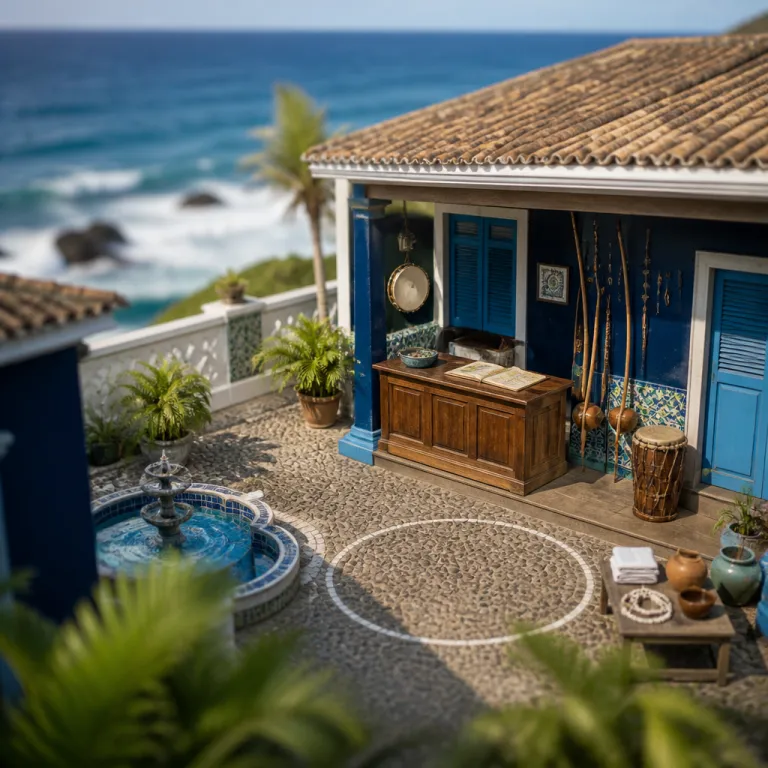
Bahia cultural hotels heritage Brazil: where Afro-Brazilian roots meet luxury
In Bahia Brazil, a small group of luxury properties treats culture as the core amenity, not a themed sideshow. These heritage hotels in Bahia sit at the crossroads of Afro-Brazilian history, contemporary design, and serious comfort, giving solo travelers a rare way to engage with the state’s living traditions. In this corner of South America, the right hotel choice shapes how you experience the city, the beach, and the communities that keep Bahian heritage alive.
Start in Salvador Bahia, the first Brazil capital and still the country’s spiritual drumbeat, where the historic centre climbs steep cobbled streets above the bay. Here, a handful of hotel owners have restored mansions in the Pelourinho district and turned them into cultural salons, with rooms that reference orixá deities, capoeira rodas, and local crafts. These properties are not just a place to sleep in Bahia Salvador; they are gateways into Afro-Brazilian daily life, curated with the care usually reserved for a palace hotel.
Across the state in Trancoso, the mood softens but the cultural thread continues, especially around the Trancoso Quadrado and the surrounding beach paths. Uxua Casa, often described as a casa hotel rather than a resort, anchors this scene with restored fishermen’s houses and a design language that honours indigenous and Afro-Brazilian aesthetics. Between Salvador and Trancoso, cultural hotels in Bahia range from intimate villa stays to larger addresses with a swimming pool and spa, but the best share one principle: heritage is something you participate in, not just photograph.
Capoeira with lineage: from Pelourinho terraces to Trancoso sand
Capoeira in Bahia is not a fitness class; it is an Afro-Brazilian martial art with mestre lineages that run through families, neighbourhoods, and terreiros. The most serious Afro-Brazilian cultural stays understand this and partner with recognised schools, so your first ginga happens under the guidance of a mestre, not a generic gym instructor. As Mestre João Pequeno once summarised it, capoeira is “fight, dance, game, and history in the same body,” and that complexity deserves proper teachers.
In Salvador’s Pelourinho district, Casa do Amarelindo uses its great location above the bay to host small rodas on its terrace, then walks guests down into the historic centre for classes at long established academies. Rooms here are simple in size but rich in local wood, textiles, and views, and the hotel team will help you check availability for private or small group sessions that match your level. This is where Bahia’s cultural heritage becomes tangible, as you move through the city streets to the sound of berimbaus rather than tour buses.
Further south, Uxua Casa in Trancoso brings capoeira onto the sand, with mestres leading dawn warm ups near the natural pools that form along the beach at low tide. The style is relaxed but the lineage is serious, and solo travelers can arrange private lessons before breakfast or join open rodas near the Trancoso Quadrado in the late afternoon. If you are planning a longer Brazil trip that mixes culture with coastal downtime, pair this with a stay at a property that celebrates regional festivities, such as the hotels featured in this guide to immersive São João hotel experiences.
Candomblé-informed stays: from sacred symbolism to respectful access
Candomblé is one of the deepest currents running through Bahia, and the best cultural hotels in Salvador treat it with the gravity it deserves. Scholars often describe Candomblé as an Afro-Brazilian religion blending African spiritual practices with Catholicism, but in Bahia Salvador it is also a social network, a musical tradition, and a political force. In practice, that means your hotel should never stage ceremonies on site as entertainment, but can help you approach real terreiros with context and respect.
Pousada Solar dos Deuses, facing a quiet square in the Pelourinho district, has rooms individually decorated around orixás, using colours, symbols, and local art that reference Candomblé cosmology without turning it into a theme park. Staff can arrange introductions to cultural mediators who explain etiquette before you visit a terreiro in the wider Salvador city area, including what to wear, when to speak, and how to move. This is Afro-Brazilian heritage tourism at its most sensitive, where the hotel acts as a bridge rather than a stage.
Nearby, Casa do Amarelindo goes one step further by organising guided visits to ceremonies and capoeira performances in neighbourhoods beyond the postcard streets of the historic centre. The hotel is located in a renovated townhouse with a small pool and rooftop bar, and many guests choose it precisely for this access to Afro-Brazilian religious and artistic life. If you are mapping a broader cultural route through Brazil, you can balance Salvador’s intensity with quieter heritage stays in other colonial cities, such as those highlighted in this guide to where to stay in Paraty.
Kitchen as archive: Bahian gastronomy, from acarajé oil to moqueca pots
Bahian food is a living archive of Afro-Brazilian memory, and the most interesting cultural hotels in Bahia treat their kitchens as classrooms. In Salvador Bahia and along the coast, you will find hotel chefs working closely with local cooperatives and street vendors, especially the women who hold the tradition of acarajé, the black eyed pea fritter fried in dendê oil. When a hotel invites these cooks into its kitchen for workshops, the result is not a staged show but a transfer of technique, story, and pride.
Uxua Casa in Trancoso is a strong example, with its casa hotel format allowing each villa to feel like a private home, often with access to a shared or private kitchen. Guests can book moqueca master classes where the cook explains why certain fish are chosen, how dendê is balanced with coconut milk, and which herbs trace back to West African traditions. This is Bahia cultural heritage in edible form, and it pairs beautifully with afternoons at the beach bar, where the menu leans into local ingredients rather than generic international dishes.
In Salvador’s historic centre, smaller properties such as Pousada Solar dos Deuses and Casa do Amarelindo may not have vast restaurant spaces, but they compensate with tightly curated breakfasts and occasional dinners that highlight regional recipes. Ask about acarajé workshops, visits to local markets, and whether the hotel partners with any gastronomy initiatives that keep revenue in neighbourhood hands. If you are travelling with family or planning a longer stay in Brazil, you will find more context on how resorts handle seasonality and local sourcing in this analysis of Brazil’s best resorts during the July rush.
Choosing your base: Pelourinho, Barra, Ribeira, and Trancoso
Where you stay in Bahia shapes how you experience its culture, and heritage hotels in Bahia cluster in a few key neighbourhoods. In Salvador, the Pelourinho district and the surrounding historic centre offer the densest concentration of heritage properties, from Casa do Amarelindo to Pousada Solar dos Deuses and the discreet Villa Bahia. These hotels sit in restored mansions with high ceilings, city or bay views, and a style that mixes colonial architecture with Afro-Brazilian art.
Down the hill, the waterfront areas of Barra and the emerging Ribeira district trade cobblestones for sea breezes, with hotels that balance culture and beach access. Properties here may feel more like a classic city hotel, with a larger swimming pool, more rooms, and a broader mix of guests, but the best still work with local guides for capoeira, Candomblé, and gastronomy experiences. When you check availability, look beyond the room photos and ask how the hotel engages with Salvador’s cultural organisations, artisan cooperatives, and neighbourhood projects.
Outside the city, Trancoso offers a different expression of Afro-Brazilian cultural stays, with Uxua Casa and other small properties around the Trancoso Quadrado leaning into a village rhythm. Here, your villa might open onto gardens rather than streets, and natural pools along the beach replace urban pools, but the Afro-Brazilian thread remains in music, food, and craft. Whether you choose a palace style address in the city or a more relaxed villa by the sea, the key is the same: pick a location where heritage is part of the daily program, not just the marketing copy.
How to read between the lines: immersion versus performance
Not every property using the language of cultural hotels in Bahia delivers on the promise, so you need a few filters. First, look at who leads the cultural activities: capoeira should be taught by recognised mestres, Candomblé explained by practitioners or trained mediators, and gastronomy workshops anchored by cooks with roots in the tradition. If the hotel programme feels like a generic entertainment schedule, you are probably looking at performance, not preservation.
Second, pay attention to how the hotel talks about Afro-Brazilian religion and history on its website and in person. Respectful properties will name Candomblé, explain its role in Bahia Salvador, and outline clear guidelines for visiting terreiros, rather than reducing everything to “folklore” or “exotic rituals.” When you check availability, use that moment to ask specific questions about partners, from capoeira schools to artisan cooperatives, and listen for concrete names rather than vague promises.
Finally, consider where your money flows once you are checked in, because true Afro-Brazilian cultural stays keep revenue in local hands. Ask whether the hotel sources art, textiles, and music from nearby makers, and whether guides are independent professionals or in house generalists. The more specific the answers, the more likely you are to be staying in a property that treats culture as a shared responsibility, not a decorative backdrop.
FAQ
What is capoeira and why is it important in Bahia?
Capoeira is an Afro-Brazilian martial art that blends fight, dance, acrobatics, and live music, and it developed strongly in Bahia under conditions of resistance and creativity. Many cultural hotels in Salvador and Trancoso partner with established capoeira schools so guests can train with mestres connected to historic lineages. Choosing these programmes supports local communities and gives you a more accurate sense of Bahian cultural history.
What is Candomblé and can visitors attend ceremonies?
Candomblé is an Afro-Brazilian religion that combines West and Central African spiritual systems with elements of Catholicism, and Bahia is one of its main centres. Visitors can sometimes attend public ceremonies, but this should always be arranged through knowledgeable mediators or hotels that work respectfully with terreiros. Properties such as Casa do Amarelindo help guests understand etiquette and context before any visit, which protects both practitioners and travelers.
Which hotels in Bahia are most committed to cultural preservation?
Several small luxury properties in Salvador’s historic centre and in Trancoso have built their identities around heritage. Uxua Casa in Trancoso, Pousada Solar dos Deuses in the Pelourinho district, and Casa do Amarelindo in Salvador all integrate Afro-Brazilian traditions into architecture, programming, and gastronomy. When you compare options, prioritise hotels that name their local partners and explain how they support artisans, cooks, and cultural organisations.
How can I be a respectful guest when engaging with Afro-Brazilian culture?
Respect starts with preparation, so read about Bahia’s history, capoeira, and Candomblé before you arrive, and listen more than you speak during early encounters. Follow dress codes for terreiros, ask permission before taking photos, and pay fairly for workshops, classes, and guided visits. Choosing hotels that collaborate with local communities rather than staging culture on site is one of the most effective ways to travel responsibly.
Is it safe to stay in Salvador’s historic centre for solo travelers?
Salvador’s historic centre, including the Pelourinho district, is a busy urban area with the usual big city considerations, but many solo travelers stay there comfortably in well managed hotels. Properties such as Casa do Amarelindo and Pousada Solar dos Deuses offer secure buildings, attentive staff, and clear advice on where to walk at different times of day. As in any large city, staying aware of your surroundings and following local guidance will help you enjoy the area’s cultural richness with confidence.