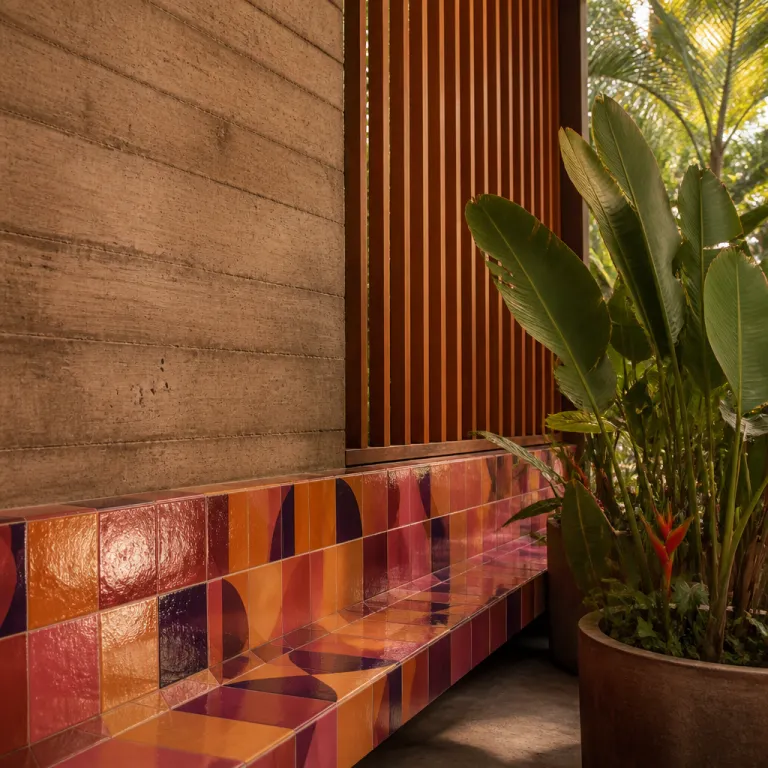
The Brazilian modernist inheritance in hotel design
Stand in the lobby of a serious luxury hotel in Brazil and you feel the weight of Brazilian architecture before you even see your suite. The curves of Oscar Niemeyer, the muscular lines of Paulo Mendes da Rocha, and the social openness of Lina Bo Bardi still shape how every ambitious hotel project negotiates light, shade, and public space. For travelers using mybrazilstay.com to compare properties, understanding how Brazilian hotel design uses structure, materials, and landscape is the key to choosing the right place rather than just the right room.
In São Paulo, concrete is not a compromise; it is character, and many of the best architects treat exposed structure as sculpture that frames the city rather than hides it. When you book a hotel in central São Paulo or in the financial districts of São Paulo, Brazil, you are often stepping into a living architectural legacy where lobby volumes echo the civic buildings of Brasília and the cultural centers of SESC Pompéia. This is contemporary architecture with a memory, and it explains why a hotel unique to Brazil rarely feels like a copy of an international chain elsewhere.
Across the country, from Brasília to Belo Horizonte and down to Porto Alegre, the most interesting hotel design projects use modernist principles as a design tool rather than a nostalgic costume. Clean structural grids, pilotis, and generous overhangs manage tropical sun and rain while allowing hotel public areas to stay open to breezes and gardens. For guests, that means quieter air conditioning, softer acoustics, and a sense that the building works with the climate instead of fighting it.
Concrete as character: brutalist warmth in São Paulo and beyond
Concrete in Brazil is rarely cold; it is almost always softened by timber, plants, and light, which is why so many case studies of Brazilian hotel design and materials start in São Paulo. In the dense business districts of São Paulo, hotels use deep concrete brise-soleil, textured slabs, and recessed balconies to create shade while still giving guests cinematic city views. When you choose a São Paulo hotel address for a business-leisure stay, you are often choosing this specific dialogue between raw structure and refined service.
Architects such as Ruy Ohtake and the broader Ohtake architecture lineage have turned concrete into a signature, using bold colors and sweeping forms that make each building a recognizable place in the skyline. The work of Ruy Ohtake sits in conversation with the sinuous lines of Oscar Niemeyer, whose buildings in Brasília and across Brazil taught generations of architects that a hotel building could be both monumental and playful. This shared architectural legacy means that even a compact city hotel project can feel like a small civic work rather than a generic lodging product.
For travelers, the practical impact is tangible because concrete mass stabilizes temperature and filters city noise, especially in properties located close to major avenues. Many contemporary design hotels in São Paulo, Brazil, leave ceilings and columns exposed, then layer in Brazilian timber, woven fibres, and soft textiles to create contrast. The Emiliano São Paulo on Rua Oscar Freire, opened in 2001 with interiors by Arthur Casas, and the Hotel Unique by Ruy Ohtake, inaugurated in 2002, are emblematic examples where exposed concrete shells, timber details, and curated Brazilian artworks form one coherent experience rather than three separate design decisions.
Timber, craft, and the house scale of Brazilian hospitality
Move away from the vertical skyline of São Paulo and the material story shifts from towers to the intimacy of the house, especially in coastal towns and historic cities. In Trancoso and along the Bahian coast, many hotel design projects adapt fishermen’s houses and farm buildings, using reclaimed timber, clay tiles, and hand-finished plaster to keep generations of local craft alive. These hotels feel like a house extended into a resort, and that domestic scale is central to the Brazilian hotel design and materials narrative.
Architects and designers across Brazil increasingly collaborate with local artisans whose works include ceramics, woven lamps, and carved wood panels that turn corridors into galleries. In Minas Gerais, for example, properties near Ouro Preto and the mining towns of the Serra do Espinhaço often commission stone and wood pieces that reference baroque churches and colonial building traditions. This approach respects Brazilian architecture while giving guests tactile contact with regional culture every time they touch a door handle or sit in a chair.
The Casa Verde suite by Jobim Carlevaro Arquitetos, with interiors curated by Jader Almeida, is a precise illustration of how concrete, timber, and glass can create a hotel unique in both feeling and function. Here, movable wooden façades act as a design tool for controlling light and privacy, while the glass brings the surrounding landscape directly into the room. For travelers, that means you are not just staying in a room; you are inhabiting a carefully tuned architectural project that responds to climate, view, and daily rhythm.
Tropicália, sustainability, and the sensory impact of materials
The word tropicália in architecture signals more than palm trees; it describes a design attitude that embraces tropical abundance, color, and informality while using serious construction logic. In Brazilian hotels, this often means concrete and steel frames wrapped in timber screens, lush planting, and open-air circulation that blurs the line between hotel public spaces and gardens. As one expert definition from Brazilian design scholarship puts it, “Tropicália refers to incorporating tropical elements and materials into design.”
From a sustainability perspective, Brazilian hotel design strategies increasingly prioritize local timber, stone, and clay over imported marble and high embodied energy metals. While precise figures vary by region and project, industry summaries from the Brazilian Hospitality Association (ABIH) and the Brazilian Tourism Board (Embratur) describe a steady rise in hotels adopting certified wood, regional stone, and recycled finishes as part of broader environmental programs. When you evaluate options on mybrazilstay.com, you will notice more properties highlighting reclaimed wood, regional stone, and low-impact finishes as part of their value proposition.
These material choices directly shape guest comfort because timber softens acoustics, porous stone keeps terraces cool under bare feet, and planted courtyards temper humidity. In Minas Gerais and around Ouro Preto, thick masonry walls and timber roofs maintain stable indoor temperatures, while in coastal resorts the combination of concrete slabs and timber pergolas creates shaded outdoor lounges that stay usable all day. For business-leisure travelers, this means you can move from laptop to caipirinha without constantly seeking air-conditioned refuge, because the building itself is working quietly in your favor.
Architects to watch and how to choose your next stay
Several architects are redefining how luxury hotels in Brazil handle materiality, and their names are worth knowing before you book. Arthur Casas brings a restrained contemporary design language to urban hotels and residences, often using warm timber, stone, and glass to soften strong structural frames in São Paulo and beyond. Patricia Anastassiadis, meanwhile, has reimagined major coastal properties with interiors that mix Brazilian furniture, artworks, and subtle references to modernist architecture in ways that feel both international and rooted.
International figures also enter the conversation, as seen in the Foster + Partners contribution to the Emiliano development on Avenida Paulista, a mixed-use complex announced in the mid-2010s where global high-tech sensibilities meet the density of São Paulo. At the same time, Brazilian practices such as Jobim Carlevaro Arquitetos and Isay Weinfeld’s office continue to deliver hotel design projects that balance concrete rigor with lush landscaping and crafted interiors. When you read about large-scale resort developments in the Caribbean and Latin America that reference “Tropicalia” or similar concepts, you are really reading about how Brazilian thinking on hotel architecture and materials is being adapted to other coastlines.
For travelers, the smartest strategy is to read a hotel not only by its star rating but by its architects, its architectural legacy, and the way its materials support your stay. Look for whether a property is based in a converted house or a new building, how its hotel public spaces connect to the street, and whether its restaurant program reflects the same care as its rooms, something we explore in depth in our guide to hotel chefs rewriting Brazilian gastronomy. On mybrazilstay.com, we highlight when a hotel unique to a district or city uses Brazilian architecture intelligently, so that every concrete column, timber screen, and stone floor earns its place in your itinerary.
FAQ
What is tropicália in hotel architecture and why does it matter ?
Tropicália in hotel architecture means embracing tropical climate, vegetation, and culture through materials such as timber, stone, and lush planting rather than hiding them behind sealed façades. In Brazil, this approach allows hotels to open more hotel public spaces to natural ventilation and daylight, reducing energy use while enhancing the sensory experience. Guests feel closer to the landscape, whether they are in São Paulo, Brasília, or coastal resorts.
Why do so many Brazilian hotels use concrete and timber together ?
Concrete offers durability, structural flexibility, and thermal mass, which is crucial in dense urban contexts such as central São Paulo or central Brasília. Timber brings warmth, acoustic softness, and a direct link to Brazilian craft traditions, especially when used in screens, ceilings, and furniture. Combining both materials allows architects to create hotel design projects that are robust, comfortable, and visually distinctive.
Are these brazil hotel design architecture materials trends unique to Brazil ?
Other tropical countries also use local stone, timber, and open-air layouts, so the broad ideas are not exclusive to Brazil. What is distinctive is how Brazilian architecture blends modernist structural clarity with tropicália-inspired informality, producing hotels that feel both rigorous and relaxed. The influence of figures such as Oscar Niemeyer, Ruy Ohtake, and Tomie Ohtake gives Brazilian hotel projects a recognizable lineage that travelers quickly notice.
How do material choices affect my comfort as a hotel guest ?
Materials determine temperature, acoustics, and even how a space smells, which is why Brazilian hotel design and material decisions are not just aesthetic. Thick masonry, concrete slabs, and shaded verandas keep interiors cooler, while timber and textiles reduce echo in busy hotel public areas. When you choose a property that uses these principles well, you usually sleep better, work more comfortably, and enjoy quieter shared spaces.
How can I identify a hotel with strong architectural value when booking ?
Look for clear mention of architects, design studios, and construction materials in the hotel description, especially for properties in São Paulo, Brasília, Ouro Preto, and Minas Gerais. Hotels that reference Brazilian architecture, highlight local artisans, or explain how their building responds to climate usually take design seriously. On mybrazilstay.com, we flag these elements so you can prioritize stays where the architecture works as hard as the service team.