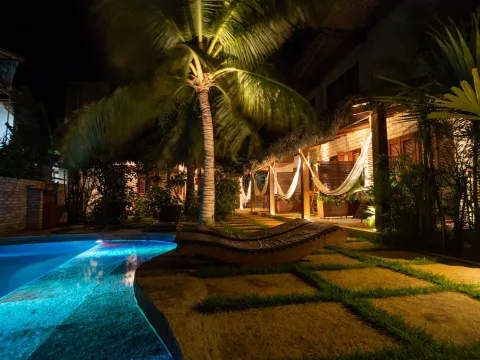
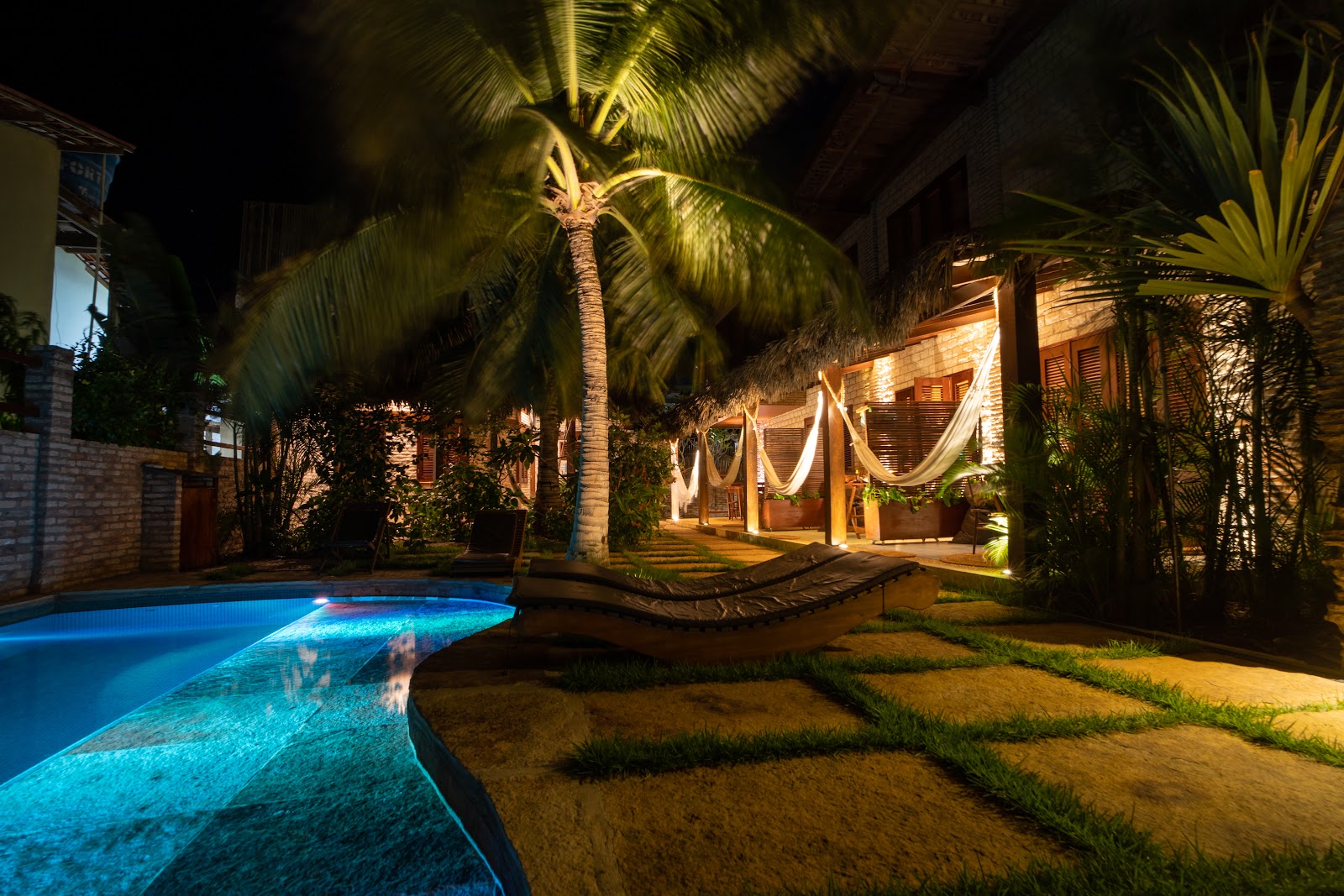
Discover where to stay in Jericoacoara, Brazil: best beach hotel areas, what rooms and pools are like, wind seasons, and who this barefoot-luxury destination suits best.
Where to Stay in Jericoacoara: Beach Hotel Areas, Comfort & Practical Tips
- Top pick for beachfront buzz: Vila Kalango on Jericoacoara Beach, $$$, 4–5*, 1–3 minutes’ walk to the sea, shared 4x4 transfer from Jijoca in about 40–50 minutes.
- Top pick for Malhada calm: Hurricane Jeri Praia near Praia da Malhada, $$$, 4*, 5–7 minutes’ walk to the beach, private 4x4 transfer from Jijoca in roughly 30–40 minutes.
- Top pick for backstreet quiet: Pousada Carcará in the residential area toward Jijoca road, $$, 3–4*, 8–12 minutes’ walk to Jericoacoara Beach, shared 4x4 or jardineira transfer in about 40–60 minutes.
Why Jericoacoara is worth it for a beach hotel stay
Sand streets instead of asphalt, dunes instead of high-rises, and the Atlantic wind as a constant soundtrack. Jericoacoara, or simply Jeri, is not a generic beach town in Brazil; it is a remote pocket of the Ceará coast where life slows down and the sky feels oversized. If you are considering a hotel in Jericoacoara Brazil, the short answer is yes – it is a strong choice for travelers who value atmosphere and landscape as much as a polished room.
The village sits inside the Jericoacoara National Park, about 300 km northwest of Fortaleza and administratively tied to Jijoca de Jericoacoara. That protected status shapes everything. Hotels are woven into dunes and gardens rather than stacked in towers, and the absence of cars in the central area means you walk, barefoot, from your room to Jericoacoara Beach in minutes. It feels intimate, almost like a mini resort town, but with real local life around you.
What you should check before committing is not whether Jeri is beautiful – it is – but whether its rhythm matches yours. Strong wind from July to January, kite surfing sails on the horizon, late sunsets at the Duna do Pôr do Sol, and a social scene that spills from beach bars into sandy lanes. If you want a quiet, sealed-off luxury bubble, you may find the village energy a little too present. If you enjoy stepping out of a refined hotel into a barefoot, bohemian scene, this is exactly the right place.
Understanding the different areas to stay in Jeri
Distances in Jericoacoara are short, but micro-locations matter. A hotel directly on Jericoacoara Beach offers instant access to the sea and the spectacle of the wind and waves, yet you will also hear the life of the waterfront – music, people walking back from sunset, the clink of glasses. One block inland, around Rua do Forró or Rua São Francisco, the atmosphere softens; you are still close to everything, but the soundscape is more birds and distant surf than beach bars.
On the eastern side near Praia da Malhada, the coastline feels wilder. The beach is narrower, the rocks more present, and the wind can feel stronger, which appeals to guests who like dramatic scenery and a sense of seclusion. This area suits travelers who want a luxury hotel with an outdoor swimming pool and gardens, then a short stroll to watch the waves crash on the rocks rather than to sit in the middle of the main strip.
Further back toward the road to Jijoca, some properties sit slightly elevated, with partial dune or sea views and a calmer residential feel. These are good if you prefer to select dates in the windier months for kite surfing or wind surfing but still want to retreat to a quieter room at night. In every area, you can walk to the Duna do Pôr do Sol in under 15 minutes, yet the difference between beachfront buzz and backstreet calm is very real, and worth weighing carefully before you book any Jericoacoara hotel.
What to expect from rooms, pools and comfort
Rooms in Jericoacoara’s better hotels tend to be compact rather than palatial, but they compensate with thoughtful details. Expect white walls, natural wood, cotton textiles, and often a touch of blue or sand tones echoing the dunes outside. Many properties offer a mix of standard rooms and larger units with a mini living area or balcony; if you care about privacy, it is worth checking whether your room faces the pool, the garden, or a quieter internal courtyard.
Climate control is non-negotiable here. Air conditioning is standard in quality hotels, and you will want it, especially between October and March when the heat and humidity build. Some properties also offer ceiling fans and cross-ventilation, which can make a big difference if you prefer to sleep with less mechanical noise. Smoking rooms are increasingly rare; most hotels are smoke-free indoors, with designated outdoor areas instead, so do not assume you can smoke in your room.
Pools are a central feature. You will find everything from intimate plunge pools to large swimming pools with views toward Jericoacoara Beach. Many hotels design their pool areas as social hubs, with loungers, shaded daybeds, and a bar service that runs from late morning into the evening. If you value quiet, ask how many rooms share the main pool and whether there is a second, smaller pool or a more secluded outdoor swimming area. The trade-off is simple: the livelier the pool scene, the more energy and people-watching; the smaller and more hidden, the more it feels like your own private oasis.
Beach life, wind, and when to go
Days in Jericoacoara are structured by the wind. From roughly July to January, the trade winds pick up, turning the bay into a playground for wind sports. Kite surfing and wind surfing dominate the horizon, especially toward the stretch leading out of the village in the direction of Preá and the well-known area around Rancho do Peixe. If you are coming specifically for surfing or kite surfing, these months are ideal; the wind is strong, the sea is alive, and the atmosphere is electric.
For travelers who prefer calmer water and long swims, the shoulder months outside peak wind season can be more appealing. The sea at Jericoacoara Beach becomes gentler, and walking along the shore toward Pedra Furada or the lagoons near Jijoca feels less like a sport and more like a slow, contemplative stroll. Life in the village remains vibrant year-round, but the overall pace is slightly softer when the sails thin out.
Sunset is non-negotiable. Every evening, people climb the Duna do Pôr do Sol at the western edge of the village to watch the sun drop into the Atlantic, a ritual that defines Jeri. Choosing a hotel with an easy walk to this dune – five to ten minutes from most central streets – is worth prioritizing if you like to be part of that daily procession. If you prefer to watch the light change from a quieter spot, consider a property with a west-facing pool deck or terrace, where you can see the sky turn orange and blue without leaving your lounger.
Services, breakfast and what to check before booking
Service culture in Jericoacoara leans relaxed rather than hyper-formal, but the better hotels understand luxury as anticipation rather than excess. You can expect staff who know the tides, the wind forecast, and the best time to walk to the national park viewpoints. Before you select dates, it is worth asking how the hotel handles arrivals from Jijoca, since the last stretch from Jijoca de Jericoacoara into the sand streets often requires 4x4 transfers and can shape your first impression of the stay.
Breakfast is a highlight. A generous buffet breakfast is common in higher-end properties, usually served in an open-sided restaurant facing a garden, pool, or the beach itself. Think tropical fruit, tapioca made to order, cakes, eggs, and strong Brazilian coffee. The best spreads feel both abundant and local, with regional touches rather than a generic international layout. If breakfast is important to you, check whether it is included or optional, and what time it runs – early starts matter if you plan morning excursions into the national park.
Connectivity and in-room amenities are generally solid, but not every hotel offers the same level of tech. Some will have more advanced systems, while others keep things minimal with just air conditioning, a safe, and a mini fridge. If you need specific features – such as a desk-like surface to work from or a particularly quiet room – ask detailed questions before confirming. In a village where sand, wind, and salt are constant, the most successful luxury hotels are those that maintain their rooms impeccably despite the elements.
Who Jericoacoara suits best – and who should think twice
Jericoacoara rewards travelers who enjoy a blend of barefoot informality and discreet comfort. If your idea of a great holiday is waking up in a well-designed room, walking barefoot to the pool, then heading out to explore dunes, lagoons, and the national park before returning for a caipirinha at sunset, this destination fits perfectly. Couples, small groups of friends, and solo travelers who like a social but not overwhelming scene tend to thrive here.
Families can also enjoy Jeri, especially if they choose a hotel with a generous swimming pool, shaded areas, and easy beach access. The sand streets are forgiving for small feet, and the shallow sections of Jericoacoara Beach at low tide can be gentle for children. That said, the constant wind in peak season and the presence of kite surfing equipment on the sand mean parents need to be attentive; this is not a manicured, enclosed resort environment.
Travelers who might hesitate are those seeking absolute urban convenience or total seclusion. Getting to Jeri from Fortaleza or Jijoca takes time, and once you are there, you trade big-city infrastructure for charm and sand. If you dislike wind, do not care about the beach, and prefer a fully sealed, ultra-quiet luxury cocoon, you may be happier in another Brazilian coastal area. For everyone else, especially those who see luxury as a front-row seat to nature rather than just marble and chrome, Jericoacoara Brazil is a compelling, memorable choice.
FAQ
Is Jericoacoara a good place for a luxury beach hotel stay?
Jericoacoara is an excellent choice for a luxury beach stay if you value scenery, atmosphere, and a sense of place over urban polish. You get direct access to Jericoacoara Beach, views of the dunes and the Duna do Pôr do Sol, and hotels that integrate pools, gardens, and refined rooms into a compact, walkable village. The experience feels immersive and distinctive, especially for travelers who appreciate wind, light, and a relaxed but attentive style of service.
Which area of Jericoacoara should I stay in?
For immediate sea access and a lively atmosphere, stay along the main beachfront near Jericoacoara Beach. If you prefer a wilder coastline and a slightly quieter feel, look toward the Praia da Malhada side. Travelers seeking more calm and a residential vibe often choose streets a few blocks back toward the road to Jijoca de Jericoacoara, where hotels can offer more privacy while still being within a short walk of the beach and the village center.
When is the best time to visit Jericoacoara for wind and water sports?
The best period for wind-based sports such as kite surfing and wind surfing in Jericoacoara runs roughly from July to January, when the trade winds are strongest and most consistent. During these months, the sea is more dynamic and the coastline between Jeri and the area around Rancho do Peixe becomes a major hub for riders. If you prefer calmer swimming conditions and quieter beaches, consider visiting outside the peak wind season.
What should I check before booking a hotel in Jericoacoara?
Before booking, confirm the hotel’s exact location within the village, its distance to Jericoacoara Beach and the Duna do Pôr do Sol, and whether your preferred room type faces the pool, garden, or a quieter area. Ask about air conditioning, smoking policies, and the style of buffet breakfast if that matters to you. It is also wise to clarify how the property handles transfers from Jijoca de Jericoacoara, since the final approach over sand can influence your arrival experience.
Is Jericoacoara suitable for families?
Jericoacoara can work well for families who enjoy nature and do not need a heavily structured kids’ club environment. Many hotels offer comfortable rooms, a swimming pool, and easy access to the beach, and children often love the sand streets and dunes. Parents should, however, be mindful of the strong wind in peak season and the presence of kite surfing equipment on the beach, and choose a property with enough shade and calm spaces for downtime.