Famous cities in Brazil for luxury stays and cultural depth
Every famous city in Brazil offers a distinct rhythm, and luxury travelers feel this immediately. In Rio de Janeiro, São Paulo, Belo Horizonte, and Florianópolis, premium hotels frame the skyline and shape how you visit each neighborhood. Across Brazil, the most refined properties now blend discreet service with curated access to culture in a way that rewards curious guests.
Rio is not only the most iconic beach city in Brazil, it is also a sophisticated urban resort with Michelin starred restaurants and design forward hotels. From Copacabana Beach to Ipanema Beach, you can book suites that overlook white sand crescents while concierge teams arrange private tours to Christ the Redeemer and the lush Tijuca National Park. When you visit Brazil for the first time, this combination of dramatic mountains, urban energy, and crystal clear Atlantic light makes Rio de Janeiro feel like the best place to start.
São Paulo, the largest city in South America, offers a different kind of luxury, more focused on gastronomy, art, and nightlife. In São Paulo, premium hotels cluster around Jardins, Itaim, and Vila Nova Conceição, where you can walk to world class restaurants and galleries after a day of business meetings or curated city tours. Many travelers read about Rio first, but seasoned guests often say that the best time to understand Brazilian creativity is during a long weekend in São Paulo.
Beyond these two giants, a refined Brazil list for urban stays usually includes Belo Horizonte in Minas Gerais, Porto Alegre in Rio Grande do Sul, and Florianópolis in Santa Catarina. Each city offers access to different landscapes, from Atlantic beaches to mountain towns, and each has a growing portfolio of premium hotels. When you plan where to stay, think of these renowned Brazilian cities as cultural gateways rather than just places to visit for a night.
Rio de Janeiro and São Paulo: contrasting luxury in Brazil’s cultural capitals
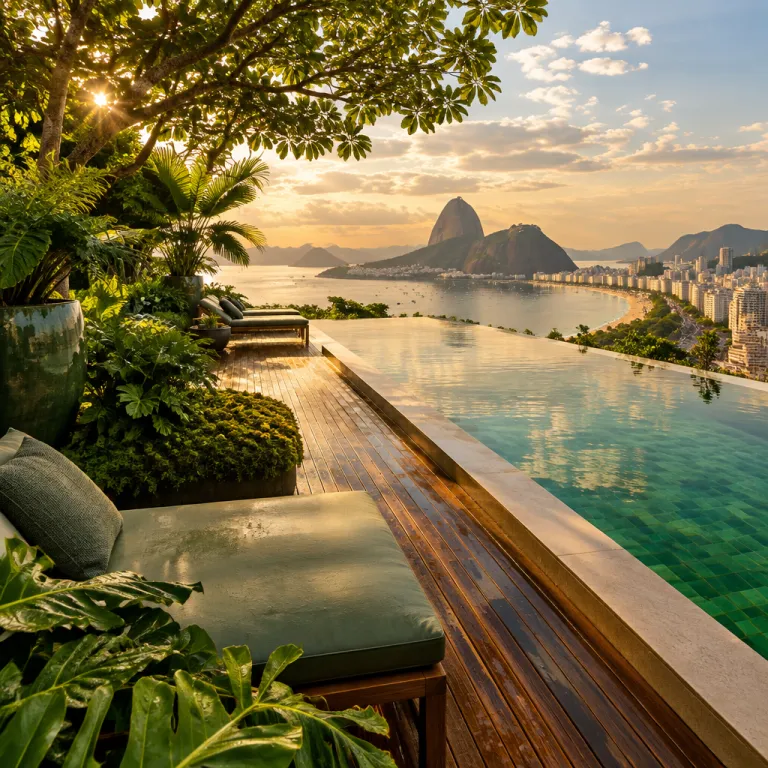
Rio de Janeiro remains the most photographed city in Brazil, and its luxury hotels lean into that cinematic setting. Suites facing Copacabana Beach or Leblon Beach frame the curve of the bay, while rooftop pools give you front row views of Christ the Redeemer and Sugarloaf. For many guests, the best time to visit Brazil’s former capital is between late autumn and early spring, when the beaches are lively but the heat is softer.
In Rio de Janeiro, high end properties in neighborhoods like Copacabana, Ipanema, and Santa Teresa offer tailored city tours that go far beyond the usual postcard stops. You might visit the restored port district, explore the Museum of Tomorrow, then end the day with a private cable car ride timed for sunset over the bay. These curated experiences turn a simple visit into a deeper relationship with the city and its Brazilian culture.
São Paulo, by contrast, is a vertical city where luxury is expressed through gastronomy, art, and design rather than beaches. The best hotels in São Paulo cluster around Avenida Paulista and Jardins, placing you close to MASP, Oscar Freire Street, and Ibirapuera Park, which is the city’s green lung. When you read any refined travel guide to the best places to visit in Brazil, you will notice that São Paulo is consistently praised for its restaurants and contemporary art scene rather than its skyline alone.
For travelers comparing these major urban centers, the choice often comes down to mood and purpose. Rio de Janeiro is ideal when you want a resort like atmosphere with easy access to beach clubs, while São Paulo excels for business trips, gastronomic weekends, and cultural festivals. Many luxury travelers combine both cities in one itinerary, using São Paulo as an arrival hub and then flying to Rio to relax by the ocean after intense days in the largest city of Brazil.
Southern coastal elegance: Florianópolis, Santa Catarina, and Ilha Grande
On the southern coast, Florianópolis in Santa Catarina has become one of the best places for travelers who want both beaches and urban comfort. The city stretches across an island and the mainland, with luxury hotels positioned near Lagoa da Conceição, Jurerê Internacional, and the historic town center. Here, you can visit Brazil’s Atlantic coast in style, waking up to views of white sand bays and ending the day with fresh seafood dinners.
Santa Catarina as a state offers a long Brazil list of coastal towns, each with its own character and level of development. From Balneário Camboriú with its vertical skyline to quieter fishing villages, you will find a range of premium stays that focus on wellness, gastronomy, or water sports. The best time to visit this part of Brazil is usually during the warmer months, when the beaches are at their most inviting and the sea is crystal clear.
Further north, Ilha Grande sits off the coast between Rio de Janeiro and Angra dos Reis, and it has become a favorite for travelers seeking a more secluded beach experience. While the island itself has limited large scale development, many luxury guests stay in high end hotels on the mainland and arrange private boat tours to Ilha Grande’s coves and trails. This approach lets you enjoy the island’s white sand beaches and Atlantic Forest hikes while returning each evening to a full service property with spa and fine dining.
For those who want to combine coastal relaxation with a deeper immersion in Brazilian nature, a stay at an Amazon luxury retreat on the Rio Negro can complement time on the southern beaches. Properties such as the Anavilhanas Jungle Lodge, presented in detail in this Amazon luxury retreat guide, show how Brazil’s hospitality sector is expanding beyond traditional city and beach destinations. When you plan your itinerary, consider pairing Santa Catarina’s coastal elegance with a few days in the rainforest to experience the full diversity of Brazil’s most celebrated cities and their surrounding ecosystems.
Historic charm and highland retreats in Minas Gerais and beyond
Minas Gerais is a state where colonial history and contemporary luxury meet in hillside towns and highland cities. Ouro Preto, Tiradentes, and Diamantina offer cobbled streets, baroque churches, and restored mansions that now host premium guest rooms with modern comforts. These towns may not be the largest city destinations in Brazil, but they are among the best places for travelers who value atmosphere and heritage.
In Belo Horizonte, the capital of Minas Gerais, luxury hotels provide a comfortable base for exploring both the city and nearby cultural hotspots like Inhotim, one of the world’s most significant open air contemporary art centers. Guests can book curated tours that combine museum visits, regional cuisine, and day trips to historic towns, turning a simple city stay into a layered cultural journey. When you read about notable Brazilian cities that reward slower travel, Belo Horizonte and its surrounding towns often appear as insider recommendations.
Highland regions across Brazil, including parts of Minas Gerais and the Serra Gaúcha in Rio Grande do Sul, have become sought after for winter escapes. Premium hotels here focus on fireplaces, wine lists, and spa experiences rather than beaches or sand dunes, offering a different side of Brazilian hospitality. For travelers planning a cool season trip, this detailed overview of highland hotels worth booking before spring can serve as a practical guide.
These highland cities and towns also complement coastal stays in Santa Catarina or Rio de Janeiro, creating a balanced itinerary across climates and landscapes. You might visit Brazil’s southern beaches first, then head inland to Minas Gerais for a few quiet nights in a restored mansion with views over tiled rooftops. By combining coastal and highland stays, you experience how diverse Brazil’s most popular city breaks can be, even within a single trip.
Nature focused luxury: national parks, Iguazu Falls, Pantanal, and Chapada Diamantina
While many travelers focus on urban centers, some of the most memorable luxury experiences in Brazil unfold near national parks and protected landscapes. Iguazu Falls, on the border with Argentina, is a prime example, where a handful of high end hotels offer direct access to the falls at quieter times of day. Staying inside or near the national park allows you to visit the walkways when the light is soft and the crowds are thinner, which is often the best time for photography.
The Pantanal, the world’s largest tropical wetland, offers another kind of immersion, with lodges that specialize in wildlife viewing and conservation focused tours. Here, the emphasis is less on city life and more on guided boat trips, horseback rides, and night safaris to observe jaguars, caimans, and hundreds of bird species. When you visit Brazil with an interest in nature, combining a few days in the Pantanal with time in major Brazilian cities such as São Paulo or Rio de Janeiro creates a powerful contrast.
Chapada Diamantina National Park in Bahia attracts hikers and landscape lovers with its table top mountains, waterfalls, and caves filled with crystal clear pools. Luxury in this region often means small scale properties with attentive service, excellent regional cuisine, and expert local guides rather than large urban hotels. Guests can arrange private tours to viewpoints, waterfalls, and caves, then return each evening to quiet comfort under star filled skies.
Across these regions, the best places to stay are those that respect the environment while offering thoughtful comfort. Many properties now provide detailed information for guests to read about conservation efforts, local communities, and the best time of year to visit each park or reserve. When you build your Brazil list of destinations, consider adding at least one national park stay alongside your chosen cities, so that your visit includes both cultural and natural highlights.
From Rio Grande do Sul to the Northeast: beaches, dunes, and coastal towns
Brazil’s coastline stretches for thousands of kilometers, and each region offers different experiences for luxury travelers. In Rio Grande do Sul, cities like Porto Alegre serve as gateways to both highland wine routes and coastal towns, while premium hotels focus on gastronomy and cultural events. Moving north through Santa Catarina and Paraná, you encounter a sequence of beach towns where white sand bays and Atlantic Forest hills frame the horizon.
Farther north, the Northeast region introduces a different palette of landscapes, including vast sand dunes, lagoons with crystal clear water, and fishing villages that have evolved into chic beach towns. Destinations like Jericoacoara and the Lençóis Maranhenses area are not major Brazilian cities in the traditional sense, yet they attract discerning travelers who value natural beauty and understated luxury. Many high end properties here emphasize sustainability, using local materials and offering tours that respect fragile dune and lagoon ecosystems.
Throughout these coastal regions, the best beach hotels balance privacy with access to local culture, often arranging guided visits to nearby towns, markets, and artisan workshops. Guests can spend the morning on a quiet beach, the afternoon exploring a historic town center, and the evening tasting Brazilian cuisine paired with regional wines or cachaça. When you visit Brazil’s coast, it is worth planning extra time in each place you visit, rather than rushing through a long list of beaches.
For travelers designing a comprehensive Brazil list of coastal destinations, it can be helpful to think in arcs rather than isolated points. One itinerary might link Rio de Janeiro, Ilha Grande, and Paraty, while another connects Florianópolis, Santa Catarina’s northern beaches, and the wine and highland towns of Rio Grande do Sul. By structuring your trip around these arcs, you experience how beaches, towns, and cities interact along the coast, revealing another layer of Brazil’s most iconic urban areas and their surrounding landscapes.
Planning your luxury hotel bookings in famous Brazilian cities
Choosing the right hotel in each city of Brazil shapes how you experience the destination. In Rio de Janeiro, for example, staying in Copacabana or Ipanema places you steps from the beach, while Santa Teresa offers a more bohemian hilltop atmosphere with views over the entire town. In São Paulo, selecting a hotel in Jardins or near Ibirapuera Park gives you easy access to both green spaces and some of the best restaurants in South America.
When you plan to visit Brazil, consider seasonality, local events, and the best time for each region, because these factors influence both rates and availability. Carnival, New Year celebrations in Rio de Janeiro, and major festivals in Salvador or Minas Gerais can fill hotels months in advance, especially in headline Brazilian cities that host large events. Reading detailed destination guides and consulting specialized travel advisors helps you align your expectations with the reality of each city and its hotel scene.
It is also worth thinking about how many places to visit on a single trip, especially if you want to include both cities and nature. Combining Rio de Janeiro, São Paulo, and one nature destination such as Iguazu Falls, the Pantanal, or Chapada Diamantina usually creates a balanced itinerary without excessive internal flights. For longer journeys, you might add Santa Catarina’s beaches, Minas Gerais highland towns, or a stay near sand dunes and lagoons in the Northeast.
As you refine your Brazil list of destinations, keep an eye on how each hotel connects you to local experiences, whether through guided city tours, access to national parks, or curated cultural programs. The most rewarding stays in Brazil’s flagship cities are those where the property acts as both a sanctuary and a bridge to the surrounding culture. By aligning your hotel choices with your interests, you transform each city visit into a coherent chapter of a larger Brazilian journey.
Key statistics on Brazilian tourism and luxury travel
- According to the Brazilian Ministry of Tourism, Brazil received around 6.3 million international visitors in the most recent pre pandemic year (2019), with Rio de Janeiro and São Paulo ranking as the two most visited cities for foreign tourists.
- Data from Embratur indicates that leisure travel accounts for approximately 58 percent of international arrivals to Brazil, while business travel represents about 22 percent, which helps explain the strong concentration of premium hotels in São Paulo and Rio de Janeiro.
- The World Travel & Tourism Council has reported that travel and tourism contribute roughly 7 to 8 percent of Brazil’s total GDP, underscoring the economic importance of maintaining high quality hospitality standards in leading Brazilian city destinations.
- Figures from the Brazilian Hotel Industry Association show that luxury and upper upscale hotels in major cities such as Rio de Janeiro, São Paulo, and Brasília often achieve average occupancy rates above 60 percent in peak seasons, with even higher levels during major events.
- UNESCO currently lists more than 20 World Heritage Sites in Brazil, including Iguazu National Park and the historic towns of Ouro Preto and Diamantina, which directly supports demand for premium hotels near these cultural and natural attractions.
FAQ about luxury hotels and famous cities in Brazil
What are the best cities in Brazil for a first luxury trip ?
For a first visit focused on luxury, Rio de Janeiro and São Paulo are the most practical choices, because they combine strong international air connections with a wide range of premium hotels. Many travelers then add a third destination such as Iguazu Falls, Florianópolis in Santa Catarina, or a historic town in Minas Gerais to balance city life with nature or heritage. This three stop structure keeps travel times manageable while showcasing different sides of Brazilian culture.
When is the best time to visit Rio de Janeiro and São Paulo ?
The best time to visit Rio de Janeiro is usually from late autumn to early spring, when temperatures are warm but not extreme and the beaches are pleasant without peak summer crowds. São Paulo is a year round destination, though many travelers prefer the cooler, drier months for walking between museums, parks, and restaurants. If you plan to travel during Carnival or New Year, book your hotels many months in advance, especially in famous cities in Brazil that host large celebrations.
How many cities should I include in a two week trip to Brazil ?
In two weeks, most travelers are comfortable visiting three or four main destinations, such as Rio de Janeiro, São Paulo, and one or two additional places like Iguazu Falls, the Pantanal, or a coastal town in Santa Catarina. Trying to include too many cities can lead to rushed stays and frequent internal flights, which reduces time for relaxation and cultural immersion. A focused Brazil list with fewer, longer stays usually results in a more satisfying luxury experience.
Are national park areas suitable for luxury travelers in Brazil ?
Yes, several national park regions in Brazil now offer high quality lodges and small premium properties that cater to travelers who expect comfort as well as access to nature. Iguazu National Park, the Pantanal, and Chapada Diamantina all have options that combine guided tours with well designed rooms, good cuisine, and attentive service. These stays pair well with nights in famous cities in Brazil, creating itineraries that balance urban culture with wilderness.
How far in advance should I book luxury hotels in Brazilian cities ?
For peak periods such as Carnival, New Year, and major festivals, it is wise to book luxury hotels in cities like Rio de Janeiro, São Paulo, and Salvador at least six to nine months ahead. Outside these dates, booking two to four months in advance usually secures good availability and rates, especially in popular neighborhoods near the beach or main cultural attractions. Early planning also gives you more time to coordinate private tours, restaurant reservations, and domestic flights within Brazil.